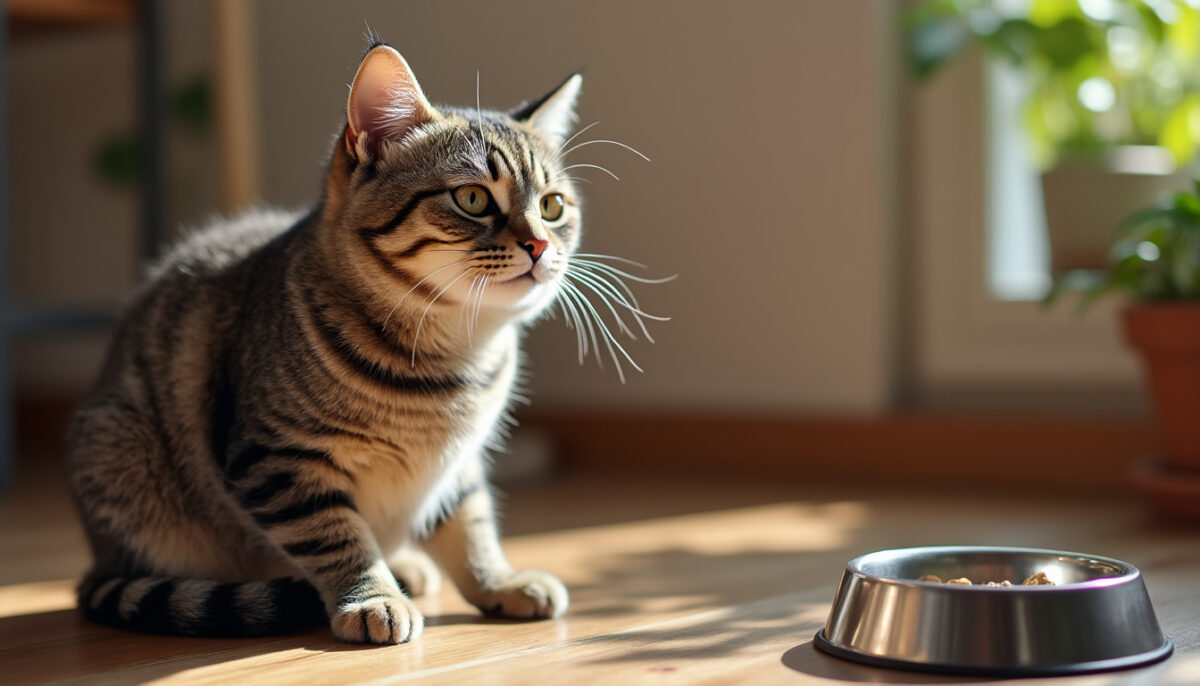
My cat isn’t eating anymore: this bad reflex comes back often
Hi, it’s Judith. If your cat stops eating, the bad reflex that often returns is to wait too long before consulting. Loss of appetite in cats can quickly become dangerous, notably because of the risk of hepatic lipidosis, a serious liver disease linked to prolonged fasting. We must act quickly without panicking.
What to do right away
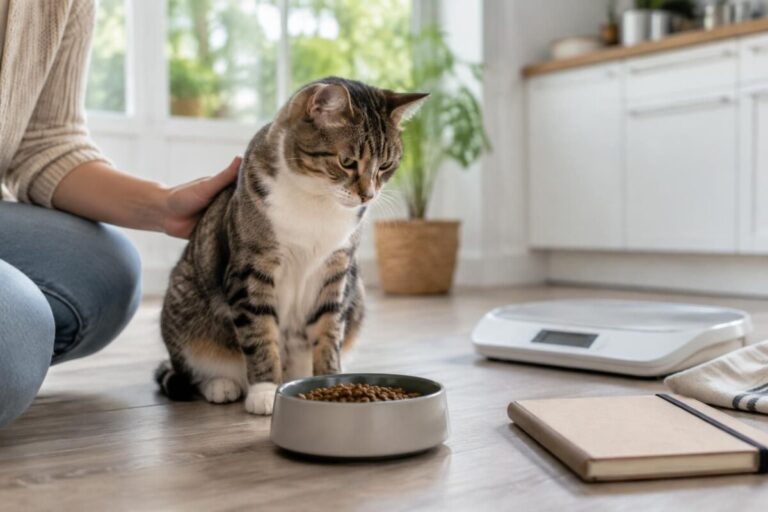
- Warm the food to ambient temperature, around 37°C, to stimulate the sense of smell and appetite.
- Offer a moist pâtée if your cat usually eats dry kibble, or vice versa.
- Split the meals into several small portions rather than one large meal.
- Place the bowl in a calm and familiar spot, away from noise and stress.
- Carefully observe whether he still drinks and keep an eye on any other worrying signs.
In many cases, the loss of appetite comes from a simple change of diet or from routine-related stress. But it is essential to monitor for serious signs. Learn more about the risks related to feline anorexia and best practices. Discover the causes and solutions when a cat stops eating.
Why a cat stops eating: understanding this fragile animal behavior
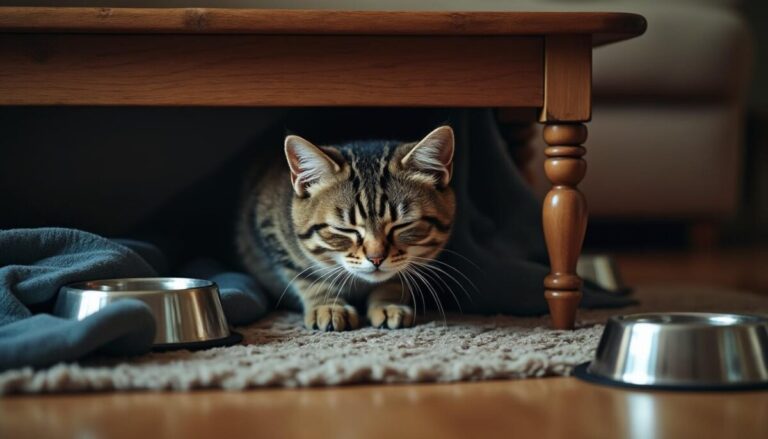
The cat is a creature very attached to its eating habits. A small change in its environment or in the food can be enough to upset it. For example, moving house, the arrival of a new animal, or even a change in the bowl can seriously reduce its appetite. Admittedly, this may seem trivial, but for him the stress is real. Sometimes the cat simply starts sulking at its bowl for a day or two; often you can rekindle its interest by reheating its food or changing the texture. This reflex of waiting “for it to pass” is nevertheless a trap.
It’s a bad reflex, because in a cat, even partial anorexia, that is, eating much less than usual for more than 48 hours, can cause hepatic lipidosis within a few days. This liver disease is driven by the body mobilizing its fat reserves too quickly, overloading the liver. This risk is heightened in overweight cats, but no cat is immune.
When to worry and consult a veterinarian ?
A few simple references to decide:
| Situation | Critical time before consultation | Remark |
|---|---|---|
| Cat stops eating altogether (total anorexia) | 24 hours if overweight, 48 hours for a normal cat | Consult urgently if signs worsen |
| Cat eats little (hyporexia) for more than 48 hours | 48-72 hours | Note, even this can trigger hepatic lipidosis |
| Cat refuses food + warning signs (jaundice, vomiting, prostration) | Immediate | Veterinary emergency |
In general, the cat will not immediately show if it has a serious disease. Often, one notices a refusal to eat before any other sign. If it has visible jaundice or vomits several times in a short time, hurry to the vet.
Some common causes of loss of appetite in cats
Beyond illness, commonly observed:
- Stress: moving, arrival of a housemate or a baby, home renovations, sudden changes in the family.
- Dental pain: often overlooked, pain when chewing leads the cat to avoid solid food. A dental check-up is essential.
- Nausea after vaccination: temporary, it disappears in 24–48 hours.
- A change of diet: kibble changing formula or a pâtée poorly accepted.
- Underlying disease: kidney failure, triaditis, advanced hyperthyroidism, digestive tumors… You can find more information on the signs to watch here.
3 steps to act effectively when your cat stops eating
- Step 1 : Observe. Note how long your cat has stopped eating and whether other signs appear (vomiting, diarrhea, lethargy).
- Step 2 : Put into practice the tips to wake up its appetite (heat, texture, splitting meals, broth).
- Step 3 : If nothing changes in 24 to 48 hours or warning signs appear, consult a veterinarian quickly. Never delay; time is against him.
A final tip: do not force your cat to eat. This can increase its stress and worsen the problem. Offer it patience, gentleness, and a calm environment. In addition, veterinary follow-up will always be reassuring and life-saving.
Can my cat fast for a few days without risk?
A cat may sometimes not eat for a day, but beyond that, especially in an overweight or fragile cat, the risk of hepatic lipidosis increases rapidly. It is necessary to monitor closely and consult at the slightest doubt.
What to do if my cat refuses kibble but accepts pâtée?
It is common for a cat to snub a type of food. Offering another format or moist taste can rekindle its appetite. However, if this refusal lasts more than 48 hours, a veterinary consultation is required.
Why does my cat eat less a few days after a vaccine?
A slight loss of appetite and a bit of apathy are normal reactions during 24 to 48 hours after a vaccine. This usually passes without treatment. If the symptom persists, you should consult.
What signs indicate a veterinary emergency?
Total anorexia for 24 hours or more, visible jaundice, repeated vomiting, marked prostration, difficulties to breathe: these are strong signals that require rapid care.
Thank you for your interest; Judith. It would be kind to leave me a comment at the end of the article; thanks to all