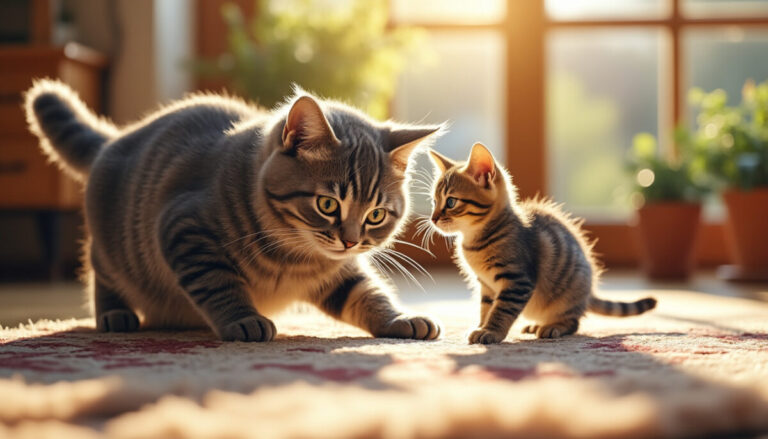

Cats: how long without eating before there’s a risk?
Hi, I’m Judith.
An adult cat that refuses all food for 24 hours should prompt a call to the vet, and sooner if the cat is unwell or has other symptoms.
Skipping one meal doesn’t necessarily mean there’s a danger. But a prolonged loss of appetite calls for a quick response: in cats, the risks of fasting depend on age, health, and hydration.
What to do right away
- Make a note of when your cat last ate a full meal.
- Check whether your cat is drinking and using the litter box.
- Offer a little strong-smelling wet food, slightly warmed, without forcing your cat to eat.
- Watch your cat’s behavior: lethargy, hiding, or vomiting are warning signs.
- Call a vet if the refusal continues or another symptom appears.
To better understand when to be concerned, see these guidelines on a cat that has stopped eating and on how long a cat can go without food.
If your cat skips a meal or refuses all food
If your cat leaves some kibble but is still lively, drinks, and accepts a treat, keep a close eye on them and offer a familiar food. However, if your cat also refuses their favorite foods and hides or seems weak, don’t dismiss it as simple fussiness.
Cats don’t cope well with long periods without food. When they draw on their reserves, fat can build up in the liver and lead to hepatic lipidosis, a serious condition that can develop within a few days, especially in an overweight cat.
The timeframe varies depending on your cat
The guidelines below apply to a complete refusal to eat, with no other visible signs. They are not guaranteed waiting periods: any accompanying symptom warrants getting advice sooner.
| Profile | When to be concerned | Recommended action |
|---|---|---|
| Healthy adult cat | Call the vet if the refusal approaches 24 hours | Keep an eye on your cat from the first missed meal |
| Kitten | Even a few hours without food can matter | Contact a vet promptly |
| Senior or ill cat | The threshold is shorter, depending on their condition | Ask for advice after several refused meals |
| Cat that isn’t drinking or is vomiting | The timeframe is significantly shorter | Call right away |
Water matters too: dehydration can quickly make your cat’s condition worse. A cat that has stopped drinking, is vomiting repeatedly, breathing abnormally, or has become very lethargic may need emergency veterinary care.
Why a cat stops eating
A change in routine, construction work, or the arrival of a new pet can cause temporary stress. But dental pain, nausea, kidney disease, or an infection that blocks the nose can also explain this feline anorexia.
Pay attention to your cat’s behavior as well as their food bowl: a cat that approaches the food, sniffs it, then walks away may be in pain or feeling nauseous. An unusual change in appetite is useful information for protecting your cat’s health, even if they still seem active.
Three steps to take action without delay
- Check for other signs. Observe your cat’s energy level, any vomiting, breathing, gums, water intake, and litter box habits.
- Offer food without forcing it. Try a small portion of familiar wet food, slightly warmed, in a quiet place. Don’t give medication or syringe-feed your cat without veterinary advice.
- Call based on your cat’s circumstances. If an adult cat refuses all food, contact the vet if the refusal approaches 24 hours. For a kitten, an ill cat, or any cat showing a concerning sign, call sooner.
After surgery or anesthesia, follow the timeframe given at discharge. If your cat doesn’t regain their appetite within the specified window, often 12 to 24 hours, let the veterinary team know rather than waiting longer.
Frequently asked questions about a cat that isn’t eating
Are two days without food necessarily fatal for a cat?
No, it’s not always fatal, but 24 to 48 hours of complete refusal is concerning. Contact a vet without waiting any longer, especially if your cat is overweight or has other symptoms.
Can a cat that is still drinking wait?
Drinking reduces the immediate risk of dehydration, but it doesn’t eliminate the risks associated with fasting, including hepatic lipidosis. Persistent food refusal warrants veterinary advice.
Should you force your cat to eat?
No, not without instructions from a vet. Force-feeding can cause food to enter the airway or make your cat more averse to food.
When should a kitten that has stopped eating be seen?
A kitten has few reserves and can become weak quickly. Call a vet after several hours without food, and immediately if the kitten is trembling or seems very weak.
Thanks for reading, Judith. If this resonates with you, please feel free to leave me a comment at the bottom of the article.