
Cats: this sugary product attracts and then endangers
Hi, I’m Judith. Cats do not detect the sweet taste, and yet, a sweet product can seriously threaten their health. It is essential to avoid giving them sugar and to spot foods that hide it to protect our companions. To do immediately: avoid any sugary treats, carefully check the ingredients of processed foods, keep cupboards closed, monitor signs of poisoning, and promptly consult a veterinarian if in doubt. To learn more about toxic foods and how to provide a healthy diet to your cat, also discover our articles on the dangerous foods for cats and these hidden poisons in cat foods.
Why sugar for cats is an invisible yet real danger
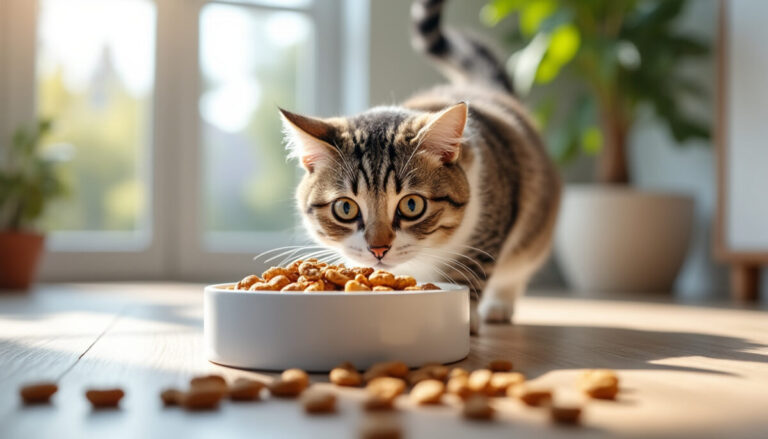
Cats are strict carnivores: their metabolism does not digest sugar. They do not possess the necessary enzyme nor the taste receptors to detect the sweet taste. When they eat a sweet product, it is not the sugar but often fat that attracts them. Yet, upon ingestion, sugar disrupts their glycemic balance and can trigger serious disorders such as diabetes, obesity or digestive issues. A sugar dose exceeding 5% of their daily ration is generally toxic. This danger is sneaky because it provides no sensory satisfaction to the cat, only organic stress.
Medical consequences of repeated exposure
The pancreas of cats cannot tolerate the influx of glucose. This can quickly fatigue the organ and lead to a diabetes mellitus that requires insulin injections. Moreover, sugar ingestion promotes painful intestinal fermentations, diarrhea, and oral infections such as gingivitis. Caloric excess also creates rapid weight gain with an increased risk of morbid obesity. It is known that obesity often shortens the life expectancy of cats by 2 to 5 years.
Detecting hidden toxicity in sugary foods and sweeteners
Why might a jar of honey or a square of chocolate be traps to avoid? Because sugar is not the only danger, some sweeteners like xylitol cause a rapid poisoning. In less than 30 minutes, it can cause a sharp drop in blood sugar. The cat then becomes lethargic, may have seizures, which requires urgent veterinary care.
| Substance | Level of danger | Main consequence |
|---|---|---|
| Sugar, white | Moderate to high | Diabetes, obesity |
| Xylitol | Critical | Acute hypoglycemia, coma |
| Lactose | Moderate | Diarrhea, dehydration |
| Fructose | Medium | Hepatic overload |
Hidden sugar in processed foods: a common trap
The danger is also everywhere in prepared products: sauces, pâtés, and snacks can contain sugar in the form of caramel, glucose syrup, maltodextrin or dextrose. Yet these components often go unnoticed. A carbohydrate content above 35% on a dry matter basis greatly increases the risk of metabolic disorders. Even so-called “grain-free” products sometimes hide starches that transform into glucose in the intestine. Vigilance is therefore essential to ensure real prevention of the risks of sugar poisoning.
Protecting your cat: simple steps and reflexes to adopt
- Never give sugary treats or leftovers, even in small amounts.
- Carefully read food labels to spot hidden sugars.
- Keep all food stores securely closed to prevent attracting your cat.
- Monitor any sign of poisoning: vomiting, lethargy, tremors.
- Consult a veterinarian promptly if in doubt about ingestion of a dangerous product.
What to do if the cat accidentally eats sugar?
- Step 1: Isolate the cat to prevent further ingestion and check for sugary ingredients.
- Step 2: Watch for signs: vomiting, loss of coordination, seizures.
- Step 3: Call an emergency veterinarian for rapid management.
If it’s a little sweetened yogurt, monitor the animal for 24 hours. Often, poisoning is not life-threatening but can cause digestive upset. If it’s xylitol or chocolate, the urgency is vital due to the risk of rapid poisoning.
Is honey a healthy alternative for a cat?
No, honey is mostly composed of pure sugars and causes the same negative effects on the cat’s metabolism.
What are the signs of xylitol poisoning?
Vomiting, loss of coordination, lethargy, seizures often appear within an hour of ingestion.
My cat has eaten a sweetened yogurt, is it serious?
For a small amount, monitor the animal for 24 hours. The main risk is digestive, but one must remain vigilant.
How to minimize stress related to a food poisoning in the cat?
Create a calm environment, offer fresh water, and consult a veterinarian for appropriate support.
Which sugary foods should be absolutely banned?
Chocolate, xylitol, lactose-containing dairy products, treats and all snacks with added sugar.
Thank you for your interest; Judith. It would be kind to leave me a comment at the end of the article; thanks to everyone