
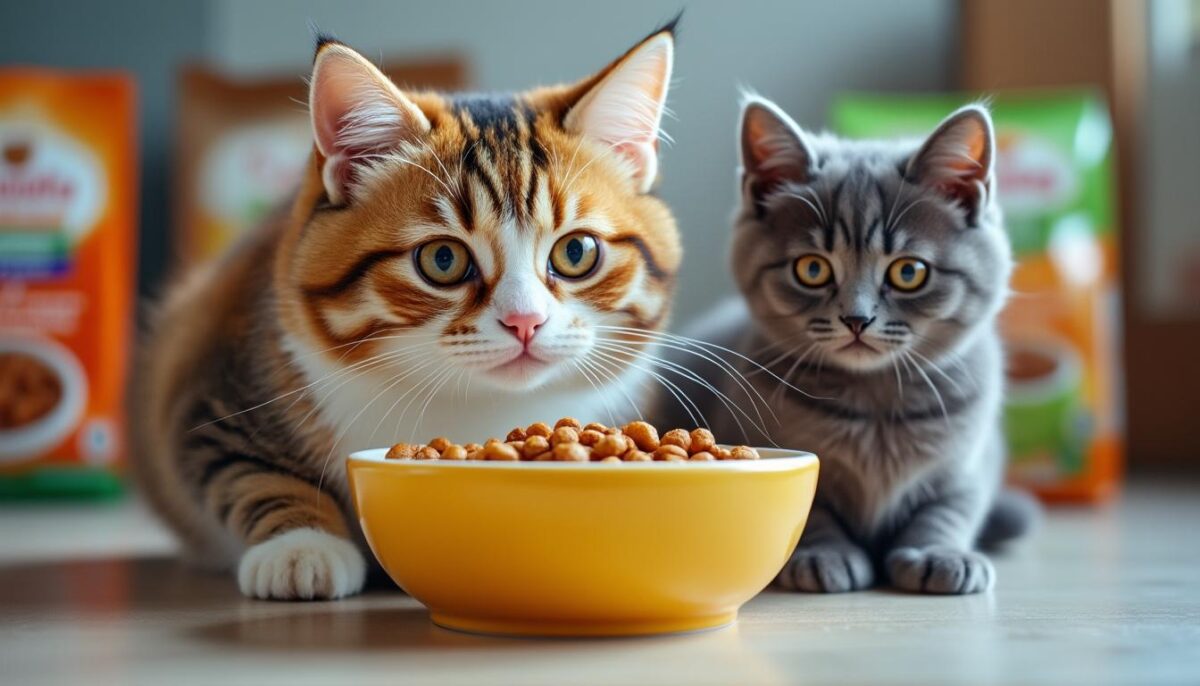
Cats: Should you try a new diet or stop?
Hi, it’s Judith. Whenever the idea of changing your cat’s food crosses your mind, the golden rule is simple: always try a gradual transition rather than stopping abruptly. A new diet can be very beneficial to your cat’s health, but if not managed properly, it can cause stress and digestive problems that might make you regret your choice.
To do immediately
- Start by buying a small sample of the new food to see your cat’s reaction.
- Find out about the gradual transition method recommended by veterinarians.
- Observe your cat’s behavior and bowel movements during the first few days.
- Avoid giving treatments or supplements that may disrupt digestion during the transition.
- Be patient and ready to adjust the speed of change according to your cat’s tolerance.
Changing one’s diet can be a real challenge. successfully transitioning to a new diet in cats It requires patience and good organization to avoid compromising animal welfare. I also invite you to discover how make this transition smoothly to minimize risks and preserve the cat’s health.
Why a dietary transition is necessary for cats
Cats are sensitive animals, particularly attached to their eating habits. A sudden change can cause digestive upset, such as diarrhea and vomiting, and significant stress. Your cat’s digestive system and gut flora need about 7 to 10 days to fully adapt to a new food. Ignoring this period disrupts a delicate balance, and that’s often when problems arise.
Just imagine: Noisette, my cat, suffered from diarrhea three days after a sudden change in her kibble. She was both grumpy and stressed, hiding under the bed. It was an important lesson in understanding how vital it is to respect this process.
The 5 most common side effects to watch out for
- Digestive problems: Diarrhea, vomiting, loose stools due to an imbalance of the intestinal flora.
- Food refusal: The cat may refuse its food, especially if the change is too rapid.
- Constipation or changes in bowel habits: Slowed transit can also occur due to a new composition.
- Behavioral changes: Stress, meowing, and isolation are signs of discomfort related to change.
- Allergic skin reactions: Itching, hair loss, and excessive licking may indicate a food intolerance.
An effective 3-step procedure to successfully transition your cat to a new food.
| Stage | Description | Approximate duration |
|---|---|---|
| Step 1 | Mix 25% of the new food with 75% of the old food. | 3 days |
| Step 2 | Switch to 50% new / 50% old | 3 days |
| Step 3 | Increase the new diet to 75% and reduce the old diet to 25%. | 3 days |
After about 9 days, you can switch to 100% of the new food. This mixture prevents your cat from picking and choosing and ensures they actually eat the new recipe. This is often the detail that’s forgotten and disrupts the whole process.
Quick cases to adjust the transition
If your cat vomits or has diarrhea, slow down the transition and keep them on 25-50% of the new food for longer.
If your cat also refuses categorically, try sprinkling a little of the old kibble on the new to encourage him to eat.
Prioritize animal welfare over dietary change
A change in diet should never be a source of stress for a cat. Feline nutrition is a cornerstone of their overall health, and a collaborative effort between owner and veterinarian ensures a smooth transition. An improper diet or a sudden change can lead to more risks than benefits.
Thinking of the new diet as a step to be integrated gradually, rather than a new hurdle to overcome all at once, paves the way for better acceptance and lasting comfort.
Final list: Tips for a successful dietary transition
- Seek veterinary advice tailored to your cat’s profile.
- Don’t change several things at once (brand, type, shape).
- Monitor for signs of allergy or intolerance as a priority.
- Maintain good hydration – a water fountain can help.
- Be patient and adjust the speed according to the cat’s reactions.
How long should a food transition last in cats?
It generally takes about a week, between 7 and 10 days, for a cat’s intestinal flora to adapt to a new diet.
What should you do if your cat refuses its new food?
To encourage the cat, mix the new food with the old and sprinkle a little of the old food on top for a familiar scent.
When should we stop the food transition?
If allergic symptoms or severe digestive problems appear, it is best to stop and consult a veterinarian quickly.
Why shouldn’t you change a cat’s diet abruptly?
A sudden change disrupts the gut flora and often causes stress, digestive problems, and food refusal.
Thank you for your interest, Judith. It would be kind of you to leave a comment at the end of the article. Thank you all.