
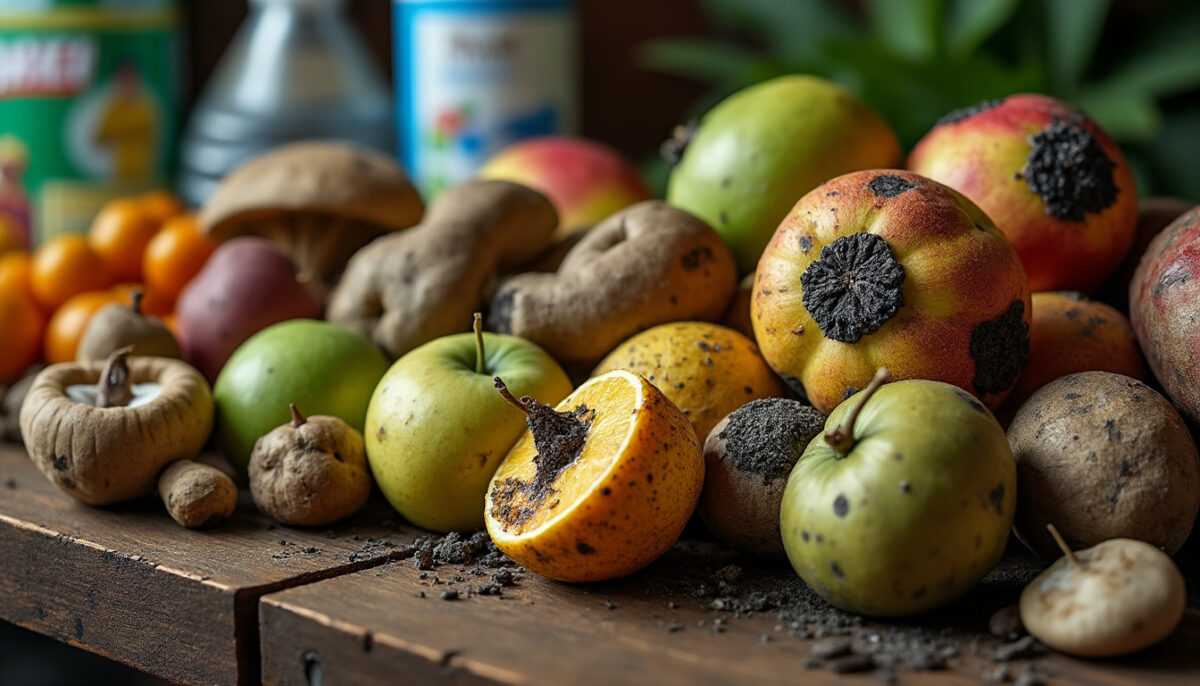
Toxic foods: how to recognize the risk before an accident
Hi, it’s Judith. Recognizing the risk of toxic food before an accident occurs is possible by observing a few simple signs related to its preparation, storage, and warning symptoms. In April 2026, food poisoning remains a common problem, but it can be avoided by following key food safety practices and remaining vigilant with dangerous foods.
To do immediately
- Always inspect the condition of the food (smell, appearance, packaging).
- Maintain the cold chain to limit foodborne illness.
- Keep raw and cooked foods separate in the kitchen.
- Learn to recognize the symptoms of poisoning so you can act quickly.
- Consult a specialist if in doubt, especially if you are frail.
Food poisoning occurs when food contaminated by bacteria, viruses, parasites, or their toxins is ingested. Often mild, it can nevertheless become a serious emergency, especially in pregnant women, children, and the elderly. To avoid food poisoning, risk prevention relies on strict temperature control, impeccable hygiene, and constant vigilance. More information on prevention and precautions is available in this [link/section/document]. a complete, clear and practical guide and this section dedicated to food security.
The telltale signs of a toxic food
Food can become dangerous due to initial contamination (undercooked meat, improperly washed fruit) or improper storage (break in the cold chain, exceeding expiration dates). Food toxicity can also be caused by heat-resistant toxins, which make some poisons invisible even after cooking. This is why it is essential to be able to recognize a potential poison.
- Suspicious appearance: Bulging can, mold, abnormal texture, sour or ammonia-like odor.
- Expired dates: Never consume beyond the expiration date.
- Invisible germs : In the case of poisoning, symptoms usually occur 1 to 72 hours after ingestion, depending on the type of bacteria or toxins.
- Foods to be concerned about: minced meats, raw eggs, deli meats, raw milk cheeses, raw shellfish.
- Risk preparation: Insufficient cooking, unhygienic handling, slow cooling of dishes.
For example, if leftover cooked food hasn’t cooled properly and remains warm for several hours, it can harbor a rapid proliferation of toxin-producing bacteria. If this is the case, it’s better to throw it away than risk a foodborne illness. If you’re still unsure, the best course of action is to prioritize safety and consult reliable sources or a professional.
How to distinguish between symptoms of food poisoning and simple malaise?
The symptoms of food poisoning often resemble gastroenteritis: diarrhea, vomiting, abdominal cramps, and fever. They can appear rapidly (1 to 10 hours for toxins, 6 to 72 hours for bacteria). A common mistake is to confuse these signs with indigestion or simple fatigue. In many cases, identifying the suspect meal or improper storage allows for a quick connection between symptoms and food poisoning. Taking these warning signs seriously limits complications.
3 steps to take effective action against food risk
- Step 1: Hydrate yourself abundantly in small amounts (water, herbal tea, broth).
- Step 2: Observe for symptoms and isolate any suspicious food.
- Step 3: Seek emergency medical attention if there are serious signs (uncontrollable vomiting, blood in the stool, high fever, neurological disorders).
This quick procedure often helps prevent the situation from worsening. In vulnerable individuals, vigilance is heightened: a simple ailment can quickly escalate. For example, a pregnant woman exposed to listeriosis should consult a doctor immediately.
List of toxic foods frequently responsible for foodborne illnesses
- Undercooked minced meat
- Raw or undercooked eggs (homemade mayonnaise, mousses)
- Raw milk cheeses
- Unheated deli meats
- Raw fish that is not ultra-fresh (sushi, shellfish)
- Raw milk
- Prepared meals that have not been properly cooled or stored
Table: Warning signs and immediate actions
| Symptom | Associated risks | Recommended action |
|---|---|---|
| Dry mouth, intense thirst | Dehydration | Drink frequently; consult a doctor if persistent. |
| Vomiting > 24 h or bilious | Water and electrolyte loss | Oral hydration, medical advice |
| High fever or general malaise | Severe infection | Urgent consultation |
| Presence of blood or mucus in stools | severe colitis or other infection | Immediate consultation |
| Progressive weakness, visual disturbances | A possible sign of botulism | Life-threatening emergency, call for help |
Adopting these practices and learning to recognize food safety risks prevents many difficult situations. In the kitchen, simplicity and precision are better than overconfidence, especially with perishable foods. Keep in mind that prevention relies on simple but often overlooked actions.
How long does food poisoning last?
It usually lasts 1 to 3 days, sometimes up to 7 days depending on the infectious agent and the individual. Medical advice is recommended if symptoms persist.
What are the signs of severe poisoning?
Severe dehydration, intractable vomiting, blood in the stool, high fever, or neurological disorders such as weakness or visual disturbances require urgent medical attention.
How to differentiate between food poisoning and gastroenteritis?
Food poisoning is often directly linked to a suspect meal and has a shorter onset of symptoms (sometimes as early as 1 hour). Viral gastroenteritis is more contagious and has a longer incubation period.
Can I take an anti-diarrheal medication?
Hydration remains the priority. Antidiarrheal medications should only be considered after medical advice, especially if high fever or blood in the stool is present.
Thank you for your interest, Judith. It would be kind of you to leave a comment at the end of the article. Thank you all.