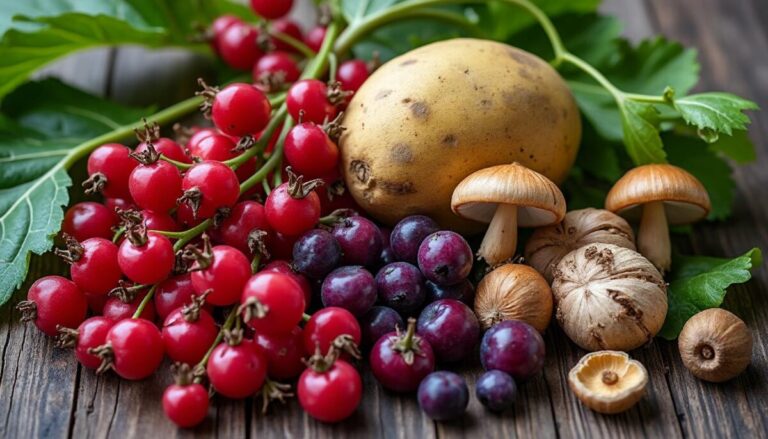

Natural food: what your budget really changes
Hi, it’s Judith. Eating naturally without breaking the bank is possible with a minimum of $8 a day by prioritizing meal planning and seasonal produce. This budget allows you to ensure a healthy, balanced, and environmentally friendly diet.
To do immediately
- Plan your meals for the week before you go shopping to avoid impulse purchases.
- Favor legumes and seasonal fruits and vegetables.
- Buy in bulk to save on grains and legumes.
- Prepare large quantities of meals to freeze and save time.
- Take inventory of your cupboards to avoid food waste.
Good management of food budget It rests on these essential principles: favoring raw foods over processed ones, avoiding waste, and making responsible purchases. In many cases, a healthy food cost A well-managed meal plan starts at $8 per person per day, divided between breakfast, lunch, dinner, and snacks. Meal planning is truly key to success.food economy become second nature in everyday life. To go further, understand how the switch to a plant-based diet It also has a positive impact on your wallet.
How the food budget It really influences your natural diet
In many households, managing expenses in a way that balances pleasure and health remains complicated. Yet, a simple budget and smart choices make it possible to eat naturally without stress. Take the example of… legumes Rich in protein and fiber, they cost less than meat and keep for a long time. By buying seasonal produce, you can further reduce the price of fruits and vegetables, which can be up to 50% cheaper out of season. Real savings come from optimizing your purchases, not just from looking for deals.
Simple steps to reduce cost of healthy food
Planning your week, cooking in large quantities, comparing prices between local markets and supermarkets, avoiding food waste… All of this helps you stay within your budget in 3 steps:
- Take inventory of your food so you don’t have to buy more of what you already have.
- Create a menu simple with recipes based on common ingredients to make shopping easier.
- Shop smart buy in bulk, in season, and favor organic products when it’s a priority for your health.
Natural foods that respect your wallet and your health
| Category | Example of foods | Budget advantages | Advice |
|---|---|---|---|
| Legumes | Lentils, chickpeas, beans | Very economical, rich in protein | Buy in bulk, cook in large quantities |
| Seasonal fruits and vegetables | Apples, carrots, winter squash | Lower cost, better nutritional quality | Enjoy the markets at the end of the day |
| Whole grains | Wholegrain rice, quinoa, oats | Long shelf life, satiating | Combine with legumes for balance |
| Economical animal products | Eggs, whole poultry, canned fish | Affordable complete proteins | Cut up the poultry yourself |
Quick tips to maximize your food savings
- Dedicate a Sunday to batch cooking so I don’t have to cook in the evening.
- Store your food properly to avoid waste: freeze cooked legumes and blanch your vegetables.
- Choose organic products based on their health impact, especially fruits and vegetables from the “dirty dozen”.
- Rediscover spices and aromatic herbs to vary your natural cooking without spending more.
Concrete examples: how to adapt your budget to your situation
If you live alone, cooking in large quantities and freezing food becomes even more crucial to avoid waste. Conversely, a family with children can benefit from a better budget allocation by buying in bulk and preparing convivial meals from scratch.
If your budget is really tight, start by incorporating more legumes and limiting processed foods. If your budget is more comfortable, you can make responsible purchases by choosing more organic and local products.
Is it possible to eat organic food without breaking the bank?
Yes, by selecting priority organic products, often those most exposed to pesticides, and combining them with local seasonal products, you can control your budget very well.
Why is meal planning essential?
Planning helps avoid waste, optimize shopping and resist impulse purchases, which reduces the overall cost of food.
Which natural foods are the most economical and nutritious?
Legumes and seasonal fruits and vegetables offer excellent value for money and are essential pillars for a balanced diet.
How to avoid food waste on a daily basis?
Taking regular inventory of stocks, cooking leftovers, storing food properly and freezing surpluses are simple and effective actions.
Does eating natural food always cost more?
Not necessarily. It’s often a question of choice, organization, and responsible purchasing rather than raw price. A good strategy will save you money.
Thank you for your interest, Judith. It would be kind of you to leave a comment at the end of the article. Thank you all.