
Animal nutrition: the real risk of family habits
Hello, Judith here. The real risk of family eating habits regarding animals’ diet is that they can perpetuate nutritional and behavioral errors that harm animal health. To safeguard animal nutrition, we must break these habits, learn to recognize the dietary risks linked to family traditions, and integrate a family education that is mindful of its impacts on animal health.
- Analyze your family’s feeding habits regarding your animals to detect what could harm their health.
- Gradually change eating behaviors by involving the whole family in nutritional choices.
- Learn about dietary risks specific to animal foods, especially those without guaranteed nutritional balance.
- Establish regular, balanced meals corresponding to the specific needs of each animal.
- Consult an animal nutrition specialist to tailor your pets’ health.
With our animals, just like with us, eating routines are more than just habits: they build their well-being or, on the contrary, expose them to animal diseases. The trap is to hinder evolution in the face of novelties, or to reproduce errors arising from family traditions. Nutritional quality is often sacrificed for convenience, even though animal feeding is a major lever for health prevention. For more tips on the recognition of dietary traps and the challenges of animal nutrition, it is crucial to adopt a fresh and informed perspective.
The impact of family habits on animal health
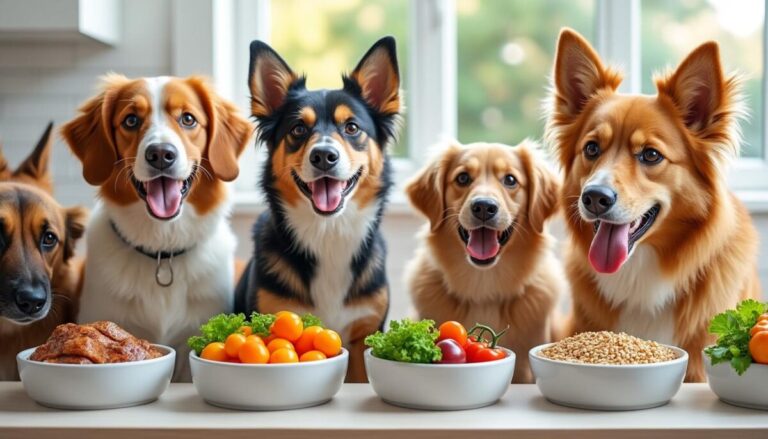
In many cases, family habits dictate what animals eat, often without questioning the optimal nutritional quality. For example, offering table scraps is common, but this practice can promote digestive disorders, or cause deficiencies preventing harmonious development. This dietary risk creates a vicious circle: animal illness, biased eating behaviors, and sometimes worsening of chronic symptoms.
If in your family you frequently give foods not intended for animals, such as sweets or cooked bones, it would be necessary to change these actions. Conversely, if everyone agrees to feed while respecting portions, frequency, and the nature of dog or cat foods, this greatly limits these risks. Increased vigilance about the food safety contributes to better protecting all our companions.
The most common mistakes in family feeding habits
- Giving fatty or salty foods from family cooking, promoting metabolic disorders.
- Frequently changing brands or recipes without gradual adaptation, destabilizing the digestive system.
- Lack of variety, leading to deficiencies in essential vitamins or minerals.
- Failing to adjust the portion according to the animal’s age, breed, or physical condition.
- Ignoring hunger and fullness signals, disrupting natural eating behavior.
| Family feeding error | Main consequence | Recommendation |
|---|---|---|
| Giving fatty or sugary leftovers | Obesity, digestive disorders | Encourage suitable and balanced foods |
| Abruptly changing the food | Digestive problems, food refusal | Introduce changes gradually |
| Monotonous diet | Nutritional deficiencies | Vary protein and fiber sources |
| Not accounting for specific needs | Poor growth, chronic diseases | Adapt the regimen according to age and health condition |
| Ignoring hunger/fullness signals | Overweight or undernutrition | Respect the animal’s natural appetite |
Changing family habits for better eating behavior
Family education is the key to sustainably improving animal nutrition and health. Adopting a positive and inclusive approach, with the whole family involved, promotes long-term adherence. We particularly encourage discussing the animals’ well-being, valuing meals that are properly portioned, and respecting each individual’s natural eating behavior.
If it’s difficult, start by raising awareness with a family member ready to change and progress step by step. If the whole family is already involved, focus on regular discussions to collectively adjust the meals’ nutritional quality. This approach is not only beneficial for the animals but also educational for humans, who learn to decipher often invisible dietary risks.
Three-step procedure for an effective transformation
- Step 1 : Collective assessment of current habits, observing eating behaviors and their effects on animal health.
- Step 2 : Gradual implementation of new routines based on balanced meals tailored to the animals’ specific needs.
- Step 3 : Regular monitoring and adjustments with the family to maintain good nutritional quality and prevent dietary risks.
How intergenerational transmission affects animal nutrition
Family habits are not only transmitted among humans: they influence how our animals are fed. Often, these transmissions reproduce inherited patterns where comfort takes priority over nutritional quality, increasing animal diseases and eating behavior disorders. To break this cycle, it is necessary to raise awareness across the whole family of the real issues and the consequences of these routines.
In 2026, several studies confirm that the intergenerational transmission of eating behaviors is central to adopting good practices. It includes meal-sharing habits, respecting doses, but also the way of addressing health and animal welfare, which must become a family priority to prevent the development of bad practices.
Addressing gender-related stereotypes and challenges in family nutritional education
The parental role, often differentiated by gender, can influence the habits adopted. For example, certain feeding tasks are traditionally handled by one parent, which can reinforce rigid or ill-suited behaviors. Family education must also consider these dynamics to better support each member toward more balanced practices.
Some tips to prevent risks and improve nutritional quality
- Plan animal meals with a professional to avoid deficiencies and excesses.
- Prioritize the quality of ingredients, favoring those intended for animal nutrition, rather than those treated as normal by family habit.
- Emphasize the importance of regular, species- and age-appropriate nutrient intakes.
- Establish moments of conviviality during meals to strengthen family bonds and the animal’s well-being.
- Train all family members to hunger/fullness signals in animals to avoid over- and under-nutrition.
Why are family habits a risk for animal nutrition?
Because they can perpetuate inappropriate practices, promoting deficiencies or excesses that harm animal health.
How to identify a bad eating behavior in an animal?
An animal that frequently vomits, refuses its food, or shows a sudden weight gain or loss should alert; consulting a specialist is recommended.
What to do if a family member refuses to change the animal’s dietary habits?
Offer an open and educational discussion, showing the direct benefits on animal health and the importance of a collective approach.
What foods should be absolutely avoided for animals?
Fatty, sugary, spicy foods, as well as those containing chocolate or cooked bones are often dangerous for their health.
Are there solutions to get an animal to accept a dietary change?
Yes, the transition should be gradual, blending old and new foods, which facilitates gradual adaptation.
Thanks for your interest; Judith. It would be kind to leave me a comment at the end of the article; thank you all