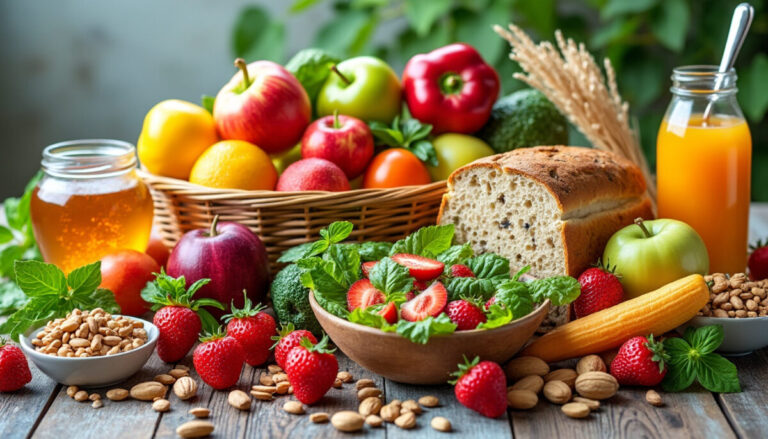
Natural food: this healthy choice can quickly go wrong
Hi, it’s Judith. Choosing a natural diet is an excellent way to maintain your health, but this healthy choice can quickly go awry if you don’t pay attention to the balance and quality of the food you eat. You should prioritize minimally processed, natural foods and balance each meal to avoid deficiencies or excesses. Act now will allow you to fully enjoy the benefits of this diet and to adopt good, sustainable eating habits.
To do immediately
- Favors organic and minimally processed foods.
- Adopt a regular eating schedule by starting early in the morning and finishing early in the evening.
- Always read labels to avoid added sugars and unnecessary additives.
- Incorporate more fiber with fruits, vegetables, whole grains and legumes.
- Limit ultra-processed foods and the consumption of red meat and processed meats.
To delve deeper into these tips, feel free to consult reliable resources such as the keys to a healthy diet and recommendations for compose a balanced mealThese readings help to better understand how to prevent your natural diet from turning into a dietary slip-up, often caused by simple mistakes: too much meat, excess hidden sugar or poor management of quantities.
Why natural eating can quickly go wrong if you’re not careful
Adopting a natural diet means embracing raw, organic, and body-friendly foods. However, just because something is natural doesn’t automatically mean it’s perfect. Often, a dietary imbalance is observed, with an excess of animal protein or a lack of fiber, which can lead to fatigue, digestive problems, or even weight gain. Another common pitfall is believing that all organic foods are good to eat in unlimited quantities, which can significantly increase calorie intake and negatively impact long-term health.
In many cases, the temptation to skip meals or consume large quantities of certain energy-rich foods leads to an imbalance of the eating behaviorThis is an often overlooked factor that contributes to this imbalance. Depending on your lifestyle and energy expenditure, the right dose needs to be adjusted. If you have a sedentary lifestyle, don’t increase your intake, even natural sources. If you are active, listen to your body but avoid extremes.
Good eating habits to avoid going off the rails
- It maintains a balance between vegetables, whole grains and proteins (animal and plant-based).
- Avoid ultra-processed foods, even organic ones: they can contain additives and hidden sugar.
- Prioritize eating meals early in the day (around 7am-6pm) to support your metabolism naturally.
- Be mindful of your salt and alcohol intake, frequent sources of compromised health.
- Include more plant-based proteins such as legumes to diversify your intake.
3 simple steps to stay on track with a natural and healthy diet
- Step 1: Evaluate what you are currently eating, noting any excesses of sugar, salt, or meat.
- Step 2: Gradually replace ultra-processed foods with natural products rich in fiber, plant-based protein, and good fats.
- Step 3: Plan your meals according to a regular schedule, starting early in the morning and finishing dinner before 7 p.m., to respect your biological clock.
If you find yourself frequently craving ultra-processed snacks, prepare in advance with fruit or nuts to curb your cravings. If you struggle to balance your intake, a nutritional consultation can help you personalize your natural diet and ensure your progress.
Pitfalls to avoid in a natural diet to preserve your health
| Trap | Consequence | How to avoid it |
|---|---|---|
| Consuming too much red meat or processed meat | Increased risk of colorectal cancer, weight gain | Replace with plant-based proteins or fish 3 to 4 times a week |
| Eating too late in the evening | Digestive problems, sleep disorders, heart disease | Maintain an “early eating” schedule (7am-6pm) |
| Choosing supposedly healthy but ultra-processed foods | Calorie excess, inflammation, weight gain | Read the labels, avoid additives and hidden sugars |
| Ignoring hydration | Fatigue, poor digestion, cravings | Drink 1.5 to 2 liters of water per day, limit sodas and alcohol |
| Remove essential food groups | Deficiencies, imbalance, frustration | Maintaining variety and enjoyment in daily diets |
Learning how to read a food composition accurately is also crucial: avoid the pitfalls of technical terms on packaging that can give a false impression of the actual quality. To delve deeper into this topic, you can discover how to read a food composition without being misled. on this detailed link, a practical focus that is often overlooked but extremely useful.
Choosing the right organic foods for a truly balanced diet
Choosing organic food is often seen as a guarantee of better health, and this is partly true. However, it’s essential to ensure that these foods are part of a balanced diet. It’s beneficial to alternate organic fruits, vegetables, and grains with plant-based protein sources and healthy fats, while avoiding excesses. This healthy choice should be considered holistically, as even an excess of organic foods that are sugary or fatty can disrupt the balance of your diet.
Why avoid ultra-processed foods even in a natural diet?
Ultra-processed foods, even organic ones, often contain additives and hidden sugars that disrupt the natural regulation of satiety and increase the risk of diseases such as obesity or diabetes.
How can you tell if a natural diet is well balanced?
A good balance includes a majority of natural foods, varied proteins (plant and animal), fiber, good fats and portion control according to one’s level of physical activity.
What are some common mistakes in a natural diet?
Common mistakes include: consuming too much red meat, eating late, ignoring added sugars, skipping fiber or meals, and choosing so-called healthy but ultra-processed products.
How to limit sugar consumption in a natural diet?
We should avoid sugary drinks, reduce processed products, read labels to detect hidden sugars and prefer fresh fruit for sweet pleasure.
What eating patterns promote optimal health?
Eating early in the morning and finishing your food intake before 6 p.m. helps to synchronize your metabolism and prevent chronic diseases.
Thank you for your interest, Judith. It would be kind of you to leave a comment at the end of the article. Thank you all.