Dogs: how to avoid a diet too low in fat
Hi, it’s Judith. To avoid a diet too low in fat for your dog, you simply need to remember to regularly include sources of essential fats to his diet. Indeed, these lipids are not only a source of energy, they actively participate in a balanced nutrition and to the dog health on a daily basis. Too little fat in the bowl, and that’s the risk of a deficiency which can lead to a dull coat, skin problems, or even a lack of vitality.
To do immediately
- Regularly add a spoonful of fish oil or flaxseed oil to the meal.
- Ensure that the ration contains proteins with a good fatty acid content, such as salmon or duck.
- Incorporate a small amount of ground chia or flax seeds to boost the intake.
- Avoid ultra-low-fat foods, which often increase appetite without providing the necessary energy.
- Observe the condition of the skin and coat to adjust quickly in case of signs of deficiency.
To learn more about common nutritional deficiencies in dogs, here is a helpful article. common nutritional deficienciesYou can also delve deeper. The role of lipids in canine nutrition to better understand what types of fats to consume.
Why are fats essential in your dog’s diet?
THE healthy fats They provide concentrated energy essential for dogs, especially active or muscular ones. They also facilitate the absorption of fat-soluble vitamins A, D, E, and K. Deprived of this natural fuel, a dog can become lethargic, and its coat can become dry and brittle. However, it’s important not to overload on fat: the right balance is key.
An older or less active dog may need a more moderate fat intake. If you observe rapid weight gain or digestive problems, you should adjust the diet accordingly, as excessive intake can cause issues such as pancreatitis.
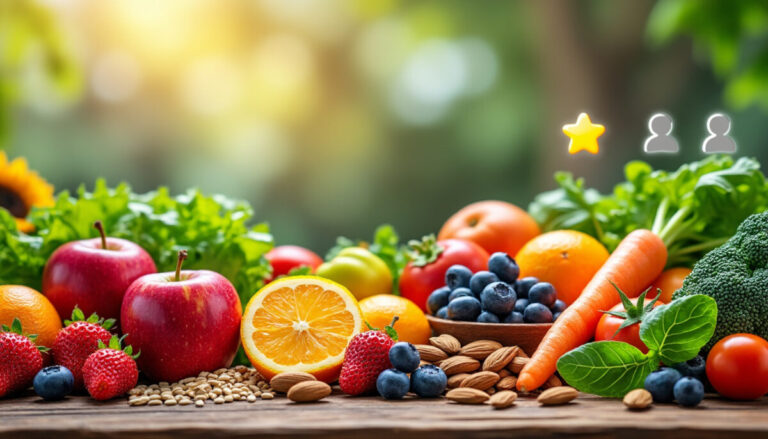
Natural sources to prioritize
- Fish oil: rich in omega-3, it supports the skin and joints.
- Flax and chia seeds: excellent for omega-6 and fiber.
- Fatty meats: duck, lamb, salmon.
- Whole eggs (in moderation) also provide quality lipids.
Balancing a dog’s diet with essential fats
The secret is to include fatty acids in appropriate quantities depending on your dog’s age, size and activity level. For example, a growing or athletic dog will often require more fat than a senior dog.
To create a balanced menu, here is a simple procedure:
- Step 1: Choose a high-quality protein base, rich in natural fats.
- Step 2: Incorporate a source of oil or seeds daily — a small teaspoon is often sufficient.
- Step 3: Adjust the overall ration according to weight and activity, following a monitoring log over the weeks.
If your dog is prone to digestive issues, always start with small doses and gradually increase them. If your dog is overweight, consult a specialist to determine a low-fat diet that maintains sufficient fat intake to prevent weight gain. menu too poorThis could paradoxically increase his appetite.
Comparing the impact of low- and high-fat diets on canine health
| Appearance | Low fat menu | A balanced menu rich in essential fats |
|---|---|---|
| Available energy | Often insufficient, fatigue possible | Good, stable energy, increased vitality |
| Coat condition | Dry, dull, prone to irritation | Shiny, soft, hydrated skin |
| Digestion | May lead to an increase in appetite | Good satiety, easier digestion |
| Health risks | Possible deficiencies | Better general health |
A quick look at common mistakes
A common mistake is believing that a dog must necessarily limit its fat intake simply because of its weight or age. A diet that’s too lean can lead to compensating with calories, but in a less efficient way, which quickly becomes tiring. A personal experience: an elderly Cocker Spaniel put on a strict diet without any added oil resulted in a dull coat and a loss of appetite.
Better understanding leads to better action.
The key is to adjust without ever sacrificing these fatty acids so important. In many cases, processed foods often have a good balance, but in a home diet, this needs to be monitored very closely.
To learn more about balanced nutrition, these guides can be very useful: homemade dog food and also The role of fats in canine nutrition.
What are the signs that a dog’s diet is too low in fat?
Dull and dry coat, itchy skin, unusual fatigue, lack of vitality and poor digestion.
What types of oils are good for dogs?
Fish oil, linseed oil, and in small quantities sunflower oil are rich in omega-3 and omega-6, essential for canine health.
How to adjust the amount of fat according to the dog?
It depends on age, weight and activity level. An active dog will need more fat than a senior or sedentary dog.
Why avoid a diet that is too low in fat?
Because it can cause an increase in uncontrolled appetite, a drop in energy, and nutritional deficiencies that affect overall health.
Thank you for your interest, Judith. It would be kind of you to leave a comment at the end of the article. Thank you all.