
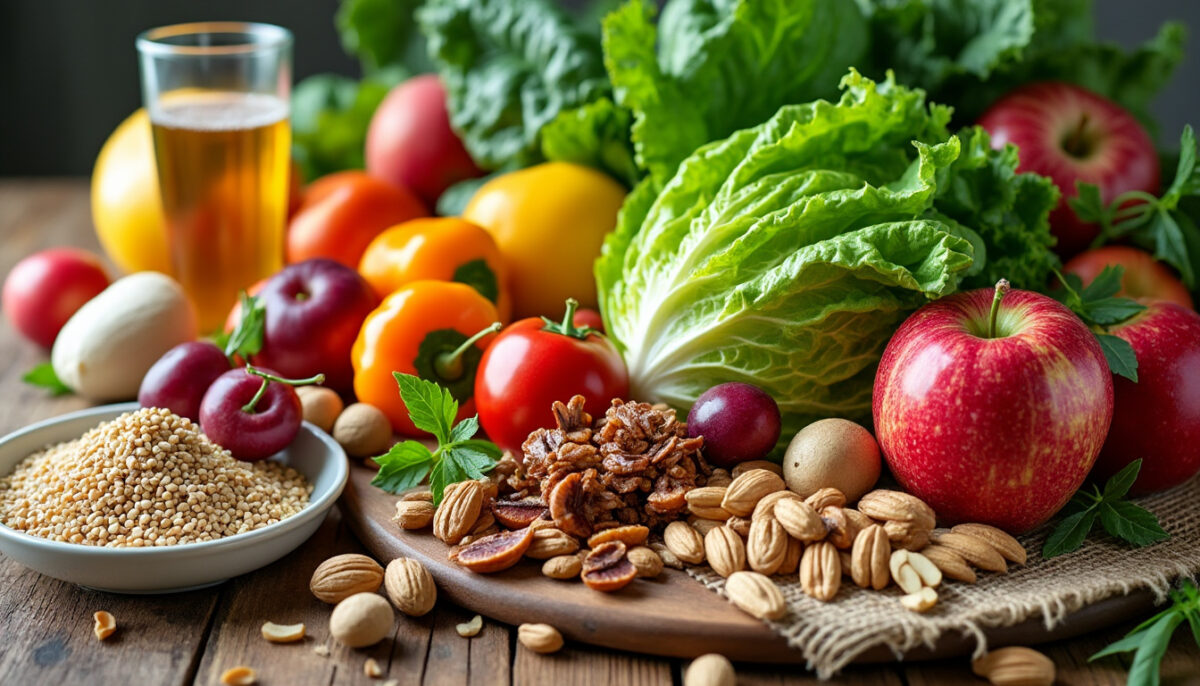
Natural food: 10 signs that a menu isn’t sustainable
Hi, it’s Judith. To know if a menu isn’t working properly, pay particular attention to… the presence of physical signs such as persistent fatigue, digestive problems and skin problemsThese alerts often signify a lack of nutrients or an excess ofchemical additives andprocessed foods which disrupt the body.
To do immediately
- Evaluate the composition of your diet: avoid artificial ingredients and excess sugar.
- Prioritize a diversity of natural foods to avoid a lack of variety.
- Check if you often feel persistent hunger, a sign that the menu is not satisfying.
- Take stock of your daily energy levels to detect any abnormal fatigue.
A unbalanced menu This is often characterized by a less-than-clean ingredient list, packed with chemical additives. These can disrupt the body’s normal functions and cause several symptoms that too often go unnoticed. To understand how natural food makes all the difference, it’s helpful to learn about these warning signs. You can also expand your nutritional knowledge with this article on 11 signs of a poor diet or this one which describes six signs to watch out for before things really get out of hand.
Disrupted sleep: an often ignored signal
When you’re in bed but can’t sleep, it’s sometimes a warning sign that your diet is lacking essential nutrients. Tryptophan, found in certain dairy products, is a key amino acid for producing melatonin, the hormone that regulates sleep. Without it, you can experience a string of insomnia without understanding why. A small yogurt in the evening can be enough to turn things around.
White spots on the nails and mineral deficiencies
Appearing in childhood, these small white spots often indicate a deficiency in calcium and magnesium. These deficiencies are quite common, affecting 10 to 15% of the population, depending on the circumstances. They highlight the importance of a natural diet rich in minerals. If dietary intake is insufficient, a course of supplements is often recommended.
Bloating and a swollen stomach: the gut microbiota on alert
Feeling bloated or experiencing gas after a meal is a sign that your gut flora is unbalanced. Often, this is due to ultra-processed foods, an excess of chemical additives, food intolerances, or insufficient fiber intake. Eating homemade meals, in moderation, with a variety of proteins and vegetables, helps restore balance.
Weight difficult to manage: be wary of the menu’s balance
Managing your weight when your diet is unbalanced becomes a real challenge. You need to reduce your intake of simple carbohydrates and additives, which promote fat storage. Be wary of restrictive diets, which do more harm than good. It’s better to combine a natural diet with regular physical activity for long-term weight stability.
Imperfect skin: a mirror from within
Your skin often reflects what’s happening inside. A lack of hydration, an excess of processed foods full of artificial ingredients, or a lack of healthy fats can affect skin quality. Omega-3 fatty acids, found in certain natural oils, are your allies in limiting excess sebum and maintaining healthy skin.
List of 10 telltale signs that a menu isn’t working
- Chronic fatigue despite sufficient rest.
- Digestive problems Recurring symptoms: bloating, constipation.
- Hair loss and brittle nails, a reflection of a protein or mineral deficiency.
- Increased sensitivity to stress linked to a lack of essential trace elements.
- Mood disorders with irritability and mood swings.
- Disturbed sleep despite being tired.
- Dry or oily skin with risks of imperfections.
- Weight gain or loss unexplained.
- Persistent hunger even after meals, a sign of nutritional dissatisfaction.
- Bad breath often linked to poor digestion and a poor diet.
Table: Comparison of the effects of a natural menu vs. an unbalanced menu
| Appearance | Natural menu | Unbalanced menu |
|---|---|---|
| Daily energy | Stability and good vitality | Chronic fatigue, lack of energy |
| Skin and hair quality | Radiance, healthy texture | Dryness, blemishes, hair loss |
| Digestion | Few problems, regular bowel movements | Bloating, constipation |
| Body weight | Stable hold | Unexplained gains or losses |
| Mood and stress | Emotional variability, irritability |
3 steps to prevent a menu from falling apart
- Step 1: Analyze your consumption and gradually eliminate ultra-processed foods, rich in chemical additives and sugar.
- Step 2: Emphasize a natural diet, rich in fresh vegetables, fruits, good fats and quality proteins.
- Step 3: Don’t hesitate to consult a nutrition expert to personalize and adjust your menu according to your needs.
How can you tell if a menu is unbalanced?
An unbalanced diet is marked by a persistent feeling of fatigue, digestive problems, unexplained weight gain or loss, and visible signs such as imperfect skin or brittle nails.
Why are chemical additives a problem?
Chemical additives, often found in processed foods, can disrupt the gut microbiota and lead to inflammatory reactions that affect overall health.
How important is dietary variety?
A varied diet avoids a lack of variety and provides all the essential nutrients, thus avoiding deficiencies that can manifest themselves through physical symptoms.
What foods should be prioritized for a natural diet?
Strawberries, peppers, beets, vegetable oils rich in omega 3, suitable dairy products, fresh vegetables and whole grains are recommended for a balanced natural diet.
What to do in case of food intolerances?
In the case of food intolerances, it is crucial to adapt your menu by eliminating the responsible foods while ensuring that the lack of nutrients is compensated for by other healthy sources.
Thank you for your interest, Judith. It would be kind of you to leave a comment at the end of the article. Thank you all.


