Homemade dog food: this choice avoids a lot of vet visits
Hi, it’s Judith. Preparing a well-balanced homemade diet for dogs often improves their health and can reduce vet visits. Offering a natural dog foodMade with fresh and suitable ingredients, it helps prevent many common problems such as allergies, obesity and digestive disorders.
To do immediately
- Assess your dog’s ideal weight and activity level to adjust portion sizes.
- Prioritize high-quality animal protein in homemade dog food.
- Maintains a balance: approximately 35-40% protein, 30% complex carbohydrates, 30% vegetables.
- Absolutely avoid chocolate, onions, garlic, thin bones and foods that are too sweet or salty.
- Make a gradual transition over at least 7 days between the old and new diets.
Switch to one homemade dog food often offers higher quality canine nutrition, based on total control of ingredients. By focusing on homemade dog recipes By respecting their specific needs, you promote their long-term health. A suitable diet is adjusted to the animal’s weight, age, and lifestyle.
Why a well-designed homemade diet avoids many canine care needs
When food is too processed or unsuitable, dogs often develop skin problems, digestive issues, or weight gain. balanced dog nutrition Home-prepared meals limit these risks by providing high-quality essential nutrients. A homemade meal controls the ingredients, thus avoiding additives and unhealthy products often found in some kibble. These benefits directly impact the dog disease prevention.
If your dog has digestive sensitivities or allergies, homemade natural dog food will offer a gentler, more customizable meal. However, for a very active or athletic dog, you’ll need to ensure a balanced energy intake to prevent energy deficiency.
The essential basics of a homemade dog meal
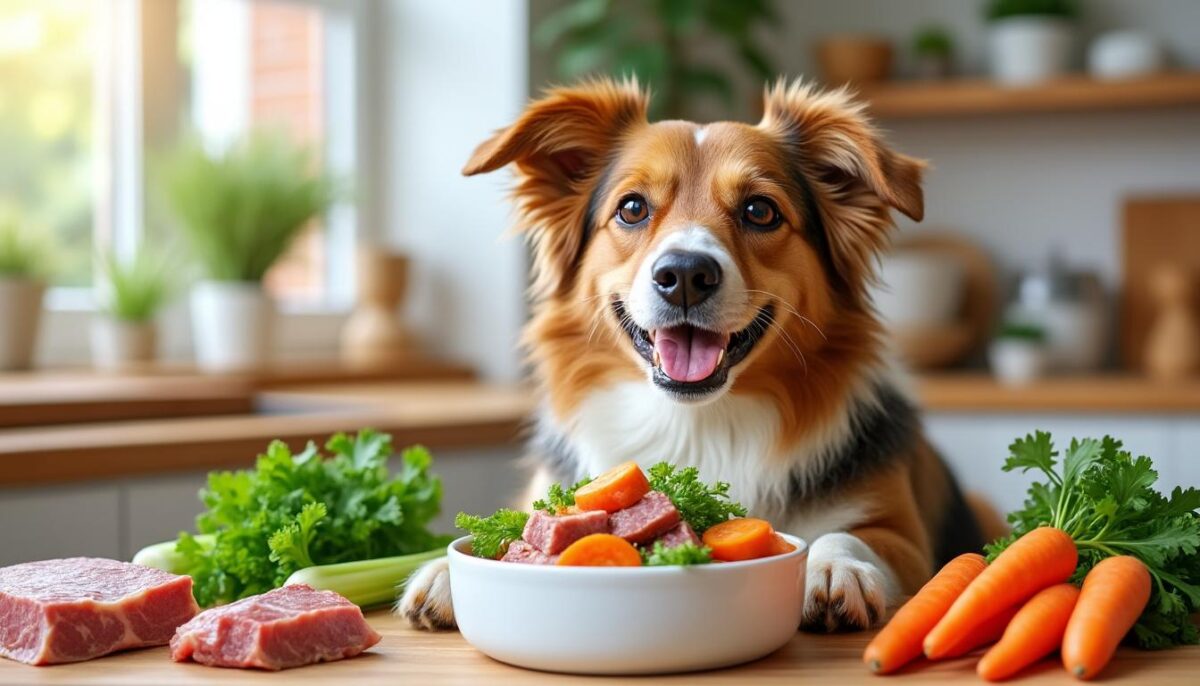
A good homemade dog meal requires a precise balance. It’s not just a mix of leftovers. It should be approximately 35 to 40% animal protein (chicken, beef, turkey) 30% complex carbohydrates (brown rice, sweet potatoes) and 30% varied vegetables (carrots, green beans). Supplement with vegetable oils for essential fatty acids and the exact supplements prescribed by your veterinarian.
Here is a simple table with the ideal proportions:
| Component | Approximate percentage |
|---|---|
| Animal proteins | 35-40% |
| Complex carbohydrates | 30% |
| Cooked vegetables | 30% |
| Vegetable oils (e.g. rapeseed) | 1 to 2 tablespoons per day |
An often overlooked detail: cooking should be gentle to ensure good digestibility. For example, potatoes should be thoroughly cooked and vegetables tender. Adapting a homemade recipe for dogs Adjusting the diet based on the dog’s reaction is also a good approach to avoid deficiencies.
A simple 3-step procedure to get started
- Step 1: Consult a veterinarian or animal nutritionist to establish an assessment and determine the necessary supplements.
- Step 2: Prepare balanced portions by following the protein/carbohydrate/vegetable ratio in a tested recipe.
- Step 3: Introduce the ration gradually over 7 days by mixing the old and new food.
Foods to favor and those to absolutely avoid for dog health
To stay in a canine diet For optimal results, it is important to know which foods are healthy for dogs, but also which ones put them in danger.
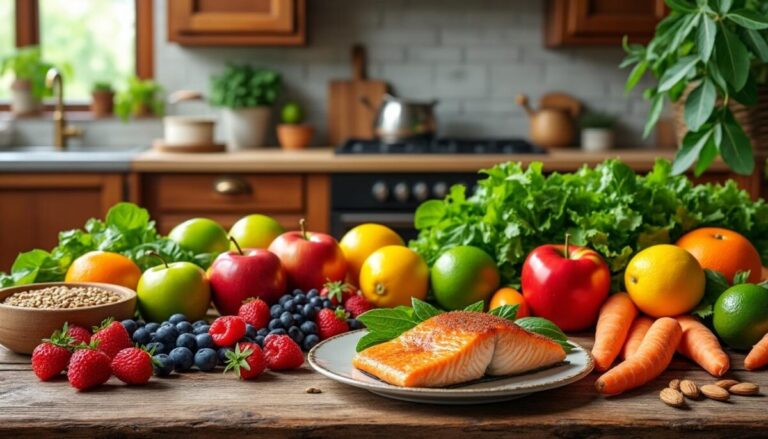
- Foods to choose: lean meats, brown rice, well-cooked potatoes, green beans, carrots, rapeseed oil or salmon.
- Absolutely avoid: chocolate, onions, garlic, sweets, overly salty foods, and small bones can cause blockages.
Common mistakes include feeding high-fat table scraps or mixing dog and cat food. Cats have different nutritional needs, so avoiding any mixing is crucial.
Adapt homemade meals according to age, breed and activity level
Nutritional needs change over time. A growing puppy requires more protein and minerals, while a senior dog will benefit from a meal richer in antioxidants and lower in calories.
Dog sizes and metabolisms vary depending on the breed: a large breed dog will have a higher protein-to-calorie ratio than a small dog. For dogs prone to weight gain, portion sizes should be reduced or lower-calorie recipes should be chosen.
Quick case
- If it is a puppy: 3 to 4 meals a day with a rich diet is recommended.
- If it is a senior dog: 2 meals with suitable food rich in omega 3 and antioxidants are better for him.
Successfully transitioning to avoid digestive problems
Changes in diet often go hand in hand with diarrhea or vomiting. food transition This must last at least 7 days. Gradually, you reduce the old food, replacing it with the new food according to this schedule:
- Days 1-2: 75% old, 25% new
- Days 3-4: 50%/50%
- Days 5-6: 25%/75%
- Day 7: 100% new
If your dog is sensitive, extend this phase. Note your dog’s reactions in a notebook, especially their appetite and stool consistency.
Thanks to these practices, homemade dog food is not only a pleasure, but also a real solution for the dog disease prevention and the optimization of dog care.
What foods are dangerous for dogs?
Avoid chocolate, garlic, onions, sweets, thin bones, and foods that are too salty or fatty to protect your dog’s health.
How to balance a homemade meal for a dog?
Consists of approximately 35-40% animal protein, 30% complex carbohydrates and 30% vegetables, with mineral supplements prescribed by a veterinarian.
What is the best frequency for feeding an adult dog?
Two meals a day, morning and evening, are ideal to ensure good digestion and maintain energy.
How to manage the transition to a new diet?
Introduce the old and new food gradually over a week to avoid digestive upset and refusal.
Why is homemade food preferable?
It offers total control over the ingredients, adapts it to specific needs and reduces the risk of diseases related to poor diet.
Thank you for your interest, Judith. It would be kind of you to leave a comment at the end of the article. Thank you all.