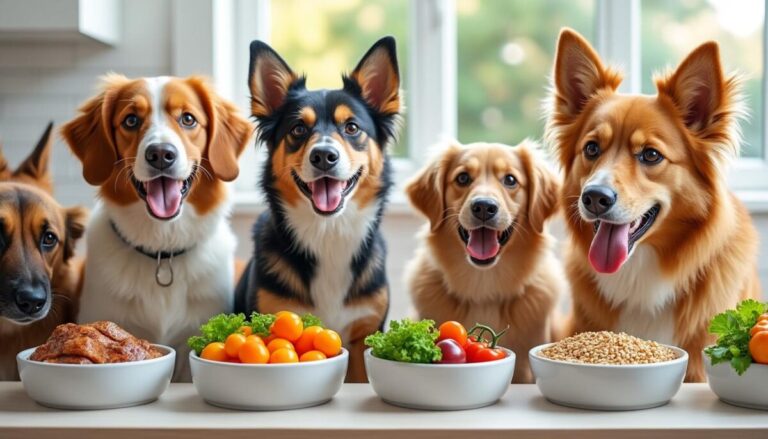

Dogs: Should you follow a recipe or observe first?
Hi, it’s Judith. To properly feed your dog, it’s best to first observe its behavior and specific needs before following a ready-made recipe. Every dog is unique, and its diet must be adapted to its age, activity level, breed, and especially its reaction to what you offer. Relying on a recipe without careful observation can quickly lead to nutritional imbalances.
To do immediately
- Note your dog’s reactions to different types of food: appetite, energy, digestion
- Consult a comprehensive guide to understand the basics of home cooking. suitable for dogs
- Use reliable resources to choose or adjust your recipe homemade dog food
- Closely monitor for signs of allergies or intolerances in the first few weeks
- Prepare a gradual transition, mixing the old and new diets
Observe the dog behavior This will be your best learning method for understanding what truly suits your dog. Their appetite, digestion, and energy levels after meals are valuable indicators. For example, if your dog has loose stools, it’s often a sign that the recipe needs adjusting. This link leads to a helpful article on when to give meals can also help you adjust your eating routine.
Observe how your dog adapts before choosing a final recipe.
THE dressage Food is, first and foremost, about…listening to the dogEach animal has its own tastes, digestive sensitivities, and sometimes allergies. Regular observation allows you to adjust the recipe to its actual needs. Often, we think we’re doing the right thing by following a ready-made recipe, but this can cause problems if we don’t adapt to the realities on the ground.
If it’s a puppy, it’s essential to be even more vigilant. Its digestive system is fragile and may require more protein and energy, but an excess or overly rich food can be harmful. For an older dog, the recipe should be gentler, lower in calories, but rich in fiber and appropriate vitamins. In short, observation allows for… adaptation continuous and effective.
The 3-step procedure for a customized diet
- Step 1 Observe eating behavior and post-meal reactions for 1 to 2 weeks.
- Step 2 Adjust the recipe by varying the ingredients and quantity, while respecting basic canine nutrition.
- Step 3 : Monitor the progress over several months and consult a veterinary nutritionist if necessary for a tailored supplement.
The keys to a balanced recipe to observe and adapt
A good recipe for dogs emphasizes proteins, lipids, carbohydrateswhile respecting specific needs. For example, a typical household ration includes approximately:
- 50% quality protein (chicken, fish, eggs)
- 25% cooked vegetables for fiber and vitamins
- 25% complex carbohydrates (brown rice, sweet potato)
- A drizzle of oil for omega-3 and 6
But beware of dangerous ingredients. chocolate, raisins, onion are to be avoided. Knowing how to avoid them is part of essential vigilance. When in doubt, it’s better to observe and adjust than to blindly follow a recipe.
Practical guide: ingredients suitable or to avoid in homemade dog food
| Category | Suitable Ingredients | Ingredients to avoid | Practical advice |
|---|---|---|---|
| Proteins | Chicken, turkey, fish, eggs | Raw pork, uncontrolled raw meat | Choose lean meats, remove the skin from the chicken |
| Carbohydrates | Brown rice, sweet potato, quinoa | White bread, sugar, uncooked pasta | Cook thoroughly and vary the sources |
| Vegetables | Cooked carrots, courgettes, and broccoli | Onion, garlic, leek | Steam, wash well |
| Fruits | Apple (seedless), blueberries, banana (in small quantities) | Grapes, avocado | Introduce gradually |
| Oils | Salmon oil, rapeseed oil, olive oil (in moderation) | Industrial oils, too rich | Add after cooking for omega-3 |
Why observation often goes beyond a simple recipe
L’dog training has recently incorporated this concept into nutrition. Understanding the dog behaviorIt’s also about knowing how to detect the signs that food is suitable or not. This method aligns with the learning methods based on thelistening to the dog and the reaction of its body. We all know that feeding a dog doesn’t just mean giving it food, but providing an environment that promotes its overall well-being.
If you notice signs of fatigue, a dull coat, or digestive issues, it’s crucial to reassess the recipe. Sometimes, a simple adjustment with fewer carbohydrates or more fats makes all the difference. Remember that each life stage requires adaptation: an active dog will need a richer diet than an aging or sedentary one.
Why not just follow a recipe for my dog?
Each dog has specific needs depending on its age, breed, health, and activity level. A generic recipe may not be suitable and could cause imbalances or digestive problems.
How can I effectively observe my dog to adapt his food?
Monitor her appetite, energy levels, stool consistency, and skin condition. Note any changes when you modify her diet. These are key indicators of her well-being.
Which foods should absolutely be avoided?
Toxic foods such as chocolate, grapes, onion, garlic, avocado, and certain sweeteners must be excluded to protect your dog’s health.
Is it safe to give raw meat?
Yes, but only if it’s fresh and comes from a reliable source. Certain meats, like pork and fish, must always be cooked to avoid health risks.
Should you consult a veterinary nutritionist?
This is highly recommended to establish a suitable diet plan and avoid deficiencies or excesses, especially in the case of allergies or specific needs.
Thank you for your interest, Judith. It would be kind of you to leave a comment at the end of the article. Thank you all.