Garden wildlife: 4 very costly beginner mistakes
Hi, it’s Judith. To effectively protect garden wildlife, you must first avoid common beginner mistakes such as the overuse of pesticides, excessive weeding, a lack of natural shelter, and improper watering. These errors generally lead to a loss of biodiversity and can be costly in terms of time, money, and disappointing results.
To do immediately
- Limit the use of chemical products, even organic ones, so as not to harm beneficial insects.
- Keep natural areas uncleaned to provide shelter for hedgehogs, insects and small birds.
- Install nesting boxes or insect hotels to encourage local wildlife.
- Water early in the morning, never in the evening, so as not to disturb nocturnal wildlife.
- Promotes garden management based on plant and habitat diversity.
4 habits to avoid in the garden or discover how to easily preserve biodiversity, feel free to consult these resources.
Why pesticides seriously harm garden wildlife
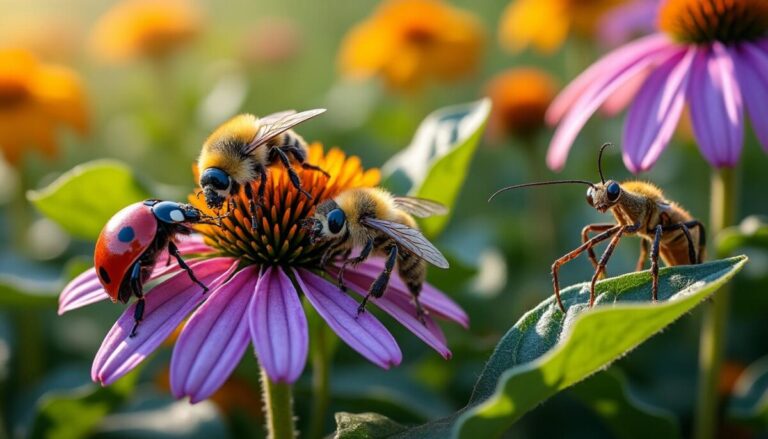
Most beginners make the mistake of believing that intensively treating their plants with pesticides, even organic ones, is the best solution. However, in many cases, these substances harm pollinating insects and natural helpers, which are essential for a balanced garden. For example, without bees or ladybugs, pests proliferate more easily, forcing a vicious cycle of treatments, resulting in more expenses and a lasting impact on wildlife. Protecting small animals around the house also involves… a more vibrant and better-designed garden.
If you have a vegetable garden, remember that a low presence of harmful insects is normal and useful, as it signals a balanced ecosystem.
A less chemical garden management approach: Step by step
- Step 1 : Identify the most sensitive plants and favor varieties adapted to your climate.
- Step 2 : Install refuge plants that attract natural predators (e.g., green manure, nectar-producing flowers).
- Step 3 : Applies occasional natural treatments and favours mechanical control (manual collection, traps).
The obsession with an overly tidy garden kills biodiversity
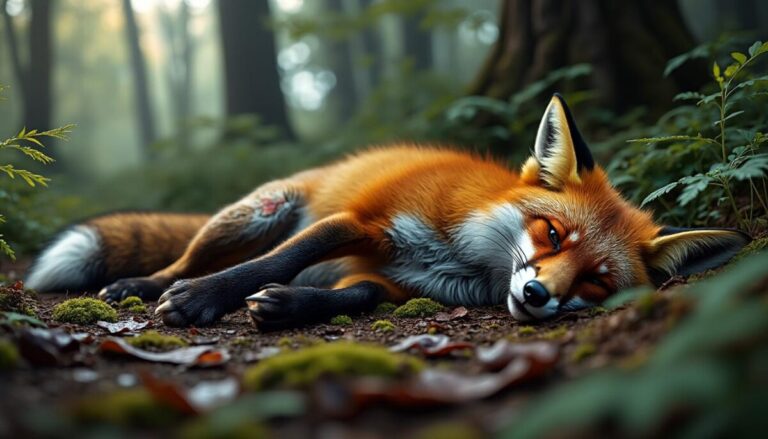
A common mistake is overly “tidy” gardening, which involves removing dead leaves, branches, and weeds at the slightest sign of discoloration. Yet, these elements provide food and shelter for wildlife, from insects to small mammals. Hedgehogs, so useful in controlling slugs, need these hiding places. Many people are also unaware that this “tidying” approach actually increases the animals’ winter hunger, leading to increased stress and a higher risk of death.
If your garden is urban, you can reserve a neglected corner to provide a discreet refuge.
Watering at night: a counterproductive trap
Table of beginner mistakes and their consequences on garden wildlife
| Error | Consequence for the garden | Potential cost | Recommended solution | |
|---|---|---|---|---|
| Excessive use of pesticides | Disappearance of beneficial insects | Ecological imbalance, proliferation of pests | Increased spending on treatments | Promote biological and natural pest control |
| Loss of habitats for small animals | Decreased biodiversity, increased vulnerability | Frequent purchases of new plants are necessary. | Maintaining wild areas | |
| Watering in the evening | Disruption of nocturnal wildlife | Plant diseases and stress | No more maintenance required | |
| Lack of natural shelter | Insufficient wildlife refuge | Wildlife gone, gardens weak | Investment in chemicals | Create birdhouses, insect hotels |
Some simple tips for protecting animals in your garden
- Avoid pruning hedges too severely in spring.
- Install shallow water features.
- Favors local and varied plants.
- Monitor the wildlife to adjust your garden management.
How to reduce pests without pesticides?
Promotes biodiversity with plants attractive to natural predators, uses mechanical control and occasional natural treatments.
Why leave wild areas in the garden?
This provides much-needed refuge for insects, birds and small mammals, which balances the ecosystem and reduces pests.
When should I water so as not to disturb the wildlife?
What are the signs of a wildlife-friendly garden?
The presence of multiple insects, small animals, plant diversity, and living soil are essential indicators to observe.
Thank you for your interest, Judith. It would be kind of you to leave a comment at the end of the article. Thank you all.