Cats: Why a single day can already count
Hi, it’s Judith. A simple, well-structured day can change your cat’s life and strengthen your bond. Cats love routine; it’s essential for their well-being. well-being and their serenity. Offering your companion predictable and gentle moments helps them manage their emotions and feel safe in their environment. These days may seem calm on the surface, but every moment is deeply important to their well-being.
To do immediately
- Maintain fixed schedules for meals and games.
- Install a comfortable scratching post or cat tree.
- Provide a sunny spot for daily naps.
- Spend time petting and playing regularly.
- Use pheromone diffusers to soothe in cases of stress.
Understanding a cat’s typical day is fundamental to better meeting its needs and preventing frustration. Cats often become stressed by sudden changes in their lives, such as moving house or the arrival of a new family member. In these cases, re-establishing a stable routine is essential. For further information, reading a a detailed account of the daily life of our cats and the discovery of essential activities that structure their day are an excellent starting point.
Why routine reassures cats
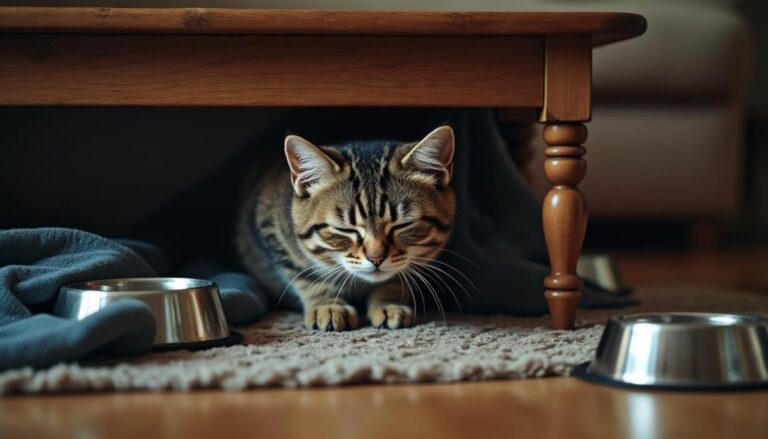
Unlike dogs, cats don’t typically rely on a social group to cope with the unexpected. They are territorial and very sensitive to changes in their environment. A stable routine provides them with a reassuring sense of security that reduces their stress and anxiety. Without this stability, cats may groom themselves less, play less, try to avoid contact, or, conversely, become more aggressive. Signs of stress in cats often manifest as excessive meowing, urine marking outside the litter box, or incessant scratching of furniture.
If your cat has recently experienced a change, it’s crucial to re-establish some predictability in its daily routine. If it’s an older cat, it may be more sensitive to small changes, such as a different feeding schedule. If it’s a younger or more curious cat, it may be more playful but also more nervous if overstimulated. In any case, attentive and consistent attention is key to calming its emotions.
A cat’s day: a ritual to preserve
A cat’s day typically revolves around three main activities: sleep, play, and hunting (or exploration). These moments flow naturally, orchestrated by its internal clock, which is sensitive to light and sounds in the home. In the morning, waking up, often accompanied by meows, reminds its human that it’s mealtime. The rest of the day consists of repeated naps, interspersed with periods of meticulous grooming and stretching.
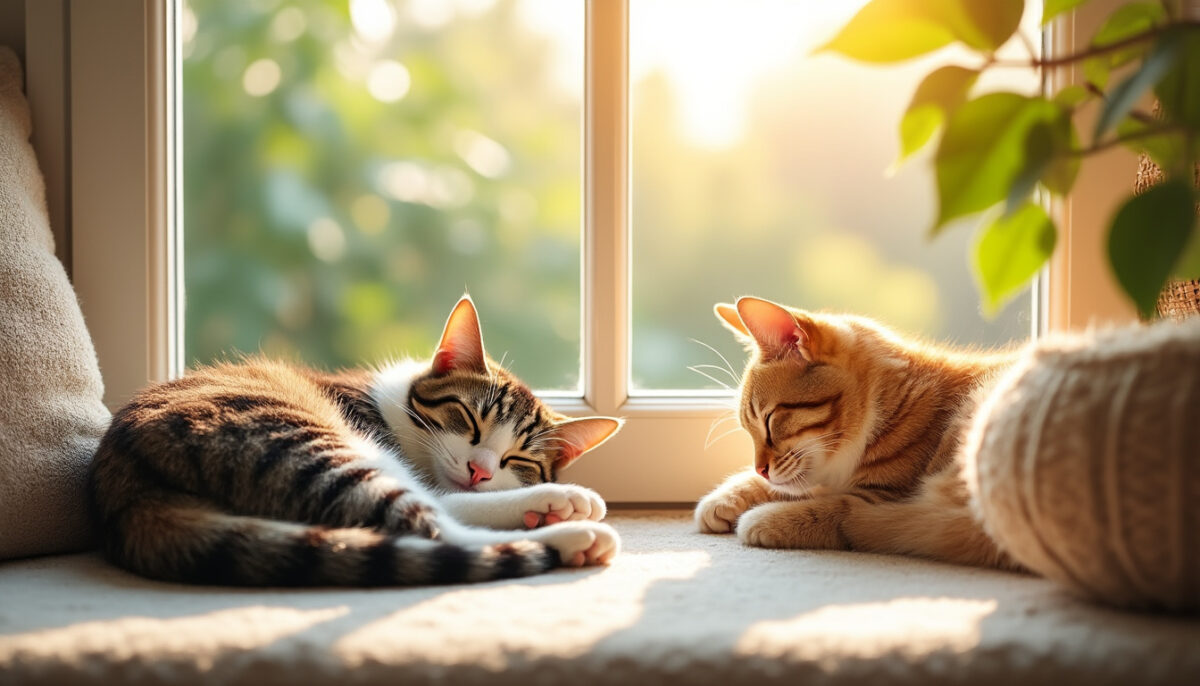
Around midday, cats seek out a warm spot to rest. The sun’s rays often provide an ideal place to recharge. And the afternoon is perfect for play—a crucial time to expend energy and stimulate the brain. For an indoor cat, the quality of toys and equipment like a cat tree or scratching post can dramatically improve its quality of life.
| Time of day | Main activity | Impact on the cat |
|---|---|---|
| Morning | Wake up and eat | Energy and anticipation, strengthening the human-cat bond |
| Midday | Naps and grooming | Relaxation, cleansing and physical comfort |
| Afternoon | Play and exploration | Mental and physical stimulation, stress management |
| Evening | Meals and quiet activities | Calming, preparing for nighttime sleep |
| At night | Sleep | Recovery and maintenance of health |
relationship harmonious with its human. For example, scheduling several mini-play sessions throughout the day allows it to satisfy its hunting instincts while reducing the risk of destructive behavior. It is also a special time for sharing and connection between you.
Procedure for a busy day with your cat
- Step 1: Establish regular schedules for meals and playtime, separating quiet periods from moments of stimulation.
- Step 2: Provide a quiet and comfortable space for naps and relaxation, ideally with sun exposure.
- Step 3: Offers suitable accessories such as a quality scratching post, a modular cat tree and a variety of toys to maintain its interest.
Gestures that reinforce presence and confidence
Cats are very sensitive to the quality of the time you spend with them. Even a short daily session of 20 to 30 minutes of play or petting can be enough to nurture their happiness. It’s important to know that they are very good at detecting our emotional state, and our calm presence acts like a soothing balm. By 2026, feline behavioral science confirmed that a cat that benefits from a gentle routine and a presence Regular human behavior shows fewer signs of stress.
If your cat seems distant or less playful, it could be a sign that it needs more attention or that its environment has changed. Sometimes, a well-placed scratching post or a new playful activity can rekindle its interest and noticeably improve its mood. Finding the right balance between quiet moments and stimulating activities is an art to cultivate in your relationship with your cat.
The benefits of a well-structured day for feline emotions
A well-structured day spent with your cat goes beyond simply meeting their physical needs. It directly impacts their emotional well-being. A cat with consistent routines often expresses more affection, is more curious, and less anxious. The consistency of your interactions and shared moments builds a genuine bond of trust.
On the other hand, repeated changes, even positive ones (like new decor or a new four-legged friend), can create internal tension in your feline. For this coexistence to be successful, new things must be introduced gradually, and you must respect your cat’s adjustment period. Don’t underestimate the power of a calm and consistent presence; it makes all the difference to your cat’s well-being.
Why does my cat love routine so much?
Cats are territorial and solitary animals. A routine provides them with stability, reduces their stress, and allows them to feel safe in their environment.
How can I help a cat that is showing signs of stress?
Maintaining consistent schedules, providing quiet spaces, and possibly using pheromone diffusers like Feliway can help soothe a stressed cat.
How much time should I spend with my cat each day?
Generally, 20 to 60 minutes spread over several sessions of play, caressing and interaction is enough to guarantee its emotional well-being.
What should I do if my cat is disturbing the house with its scratching?
Provide a suitable scratching post in an easily accessible location. Encourage your cat to use it regularly to maintain its claws and prevent damage.
Is it useful to vary a cat’s daily activities?
Yes, providing varied stimulation prevents boredom and encourages balanced physical and mental development.