Hidden wildlife: should we prune now or wait longer?
Hi, it’s Judith. To preserve the discreet wildlife and respect the pruning periodit is better before trimming your hedges. Trimming now risks disrupting thenatural habitat Many species at the crucial moment of their reproduction. biodiversity The garden depends on it.
To do immediately
- Observe your hedges carefully for a few minutes to spot any signs of animal activity: movements, nests, songs.
- If you discover a nest or shelter, postpone the measurement until the end of the animal undisturbed period.
- Opt for a light, minimally invasive trim, avoiding close cuts.
- Plan for severe pruning at the ideal time between September and February.
- Promote the diversity of plant species in your hedges for respectful and ecological gardening.
Waiting to prune is a simple but crucial step for animal welfare and maintaining a healthy balance in the garden. Consider the calendar recommended by the OFB avoids compromising the reproduction of birds and small mammals, true champions of animal behavior face the threats. To learn more about the precautions to take, also consult this article on the recommended ban after mid-March.
The importance of hedgerows in local ecology and biodiversity
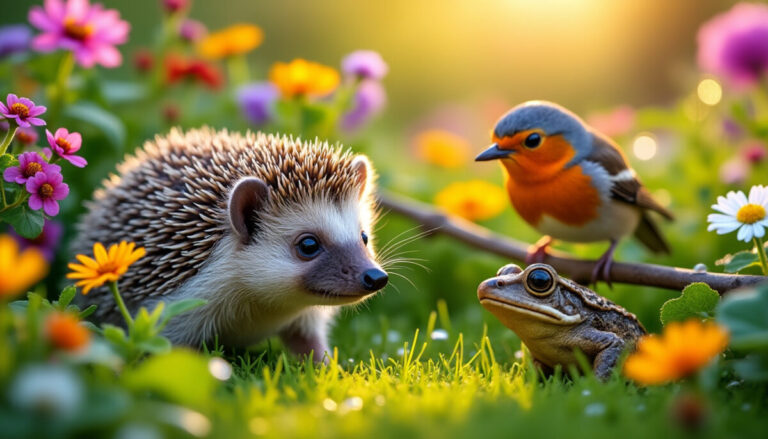
The hedgerow is much more than just a green border. It constitutes a rich and vital refuge that shelters a multitude of species: up to 45 mammals, 8 types of batshundreds of insects, as well as approximately 80 birdsThis haven protects and nourishes these species throughout the seasons. Brutal or poorly timed pruning can disrupt this precious cycle by destroying nests, hiding places, or reducing food sources.
This link between vegetation and fauna creates a dynamic ecosystem, where every intervention must be carefully considered to maintain this fragile balance. By respecting the seasonalityWe preserve the natural behavior of the garden’s inhabitants and act in favor of a ecology harmonious.
Negative effects of pruning too early or too late
Pruning in May or during the breeding season is often disastrous for wildlife. Young birds still in the nest may be abandoned or killed. Insect populations would decline due to the loss of micro-environmental habitats, which affects the birds and bats that depend on them. major decline in biodiversity is alarming, especially with a decline of around 25% in bird populations in 40 years.
Legal risks according to profiles
For farmers, hedge trimming is strictly regulated. From April 1st to July 31st, it is prohibited under penalty of heavy fines and prison sentences of up to three years, as well as significant financial sanctions. However, for private individuals, No law strictly prohibits hedge trimming. after March 15, even though it is strongly discouraged for ecological reasons.
However, be aware of local regulations. Some municipalities impose restrictions that should be checked before taking any action.
What can be done for environmentally friendly gardening while waiting for pruning?
It is possible to maintain your hedge without damaging it or harming wildlife. The key lies in gentle and appropriate techniques to preserve the vegetation and avoid destroying a habitat.
| Practices to adopt | Practices to avoid |
|---|---|
| Observe before intervening to detect the presence of animals | To prune severely without control or delicacy |
| Favor gradual, lightweight pruning. | Thin out or shave off the entire hedge at once |
| Reserve major work for the autumn and winter months | Burn green waste if nests or shelters are present. |
| Place piles of dead branches to provide shelter | Ignoring animal behavior during the breeding season |
| Planting a variety of local species to promote biodiversity | Plant only single-species hedges, such as very dense thuja trees. |
Implementation in 3 simple steps
- Step 1: Check your hedge daily to spot nests and signs of occupancy.
- Step 2:
- Step 3: Plan your pruning for the non-breeding period, ideally in autumn or winter.
It’s a delicate balance, but respecting these principles contributes to the vitality of the garden while honoring the animal protection and theecology local.
If you would like to learn more about respectful conservation and beneficial wildlife, here are some enriching resources: how to avoid maintenance mistakes And common mistakes for garden wildlife.
Why shouldn’t hedges be trimmed between March and August?
This period coincides with the breeding season for birds and many other species that use hedgerows as shelter. Any intervention could destroy nests, leave young unprotected, and disrupt the local ecosystem.
Is there a law prohibiting the trimming of hedges in the spring?
For individuals, there is no strict law, but the French Office for Biodiversity strongly advises against pruning between March 15 and July 31 to protect local wildlife.
How can you tell if a hedge provides shelter for birds?
Simply observe the movements of birds, listen to the songs, look for frequent comings and goings or visually spot nests among the branches.
What tools should be used for environmentally friendly pruning?
Sharp and suitable tools such as pruning shears, loppers or light pruners reduce tearing and help plants heal faster.
What plants should I choose for a hedge that promotes biodiversity?
Opt for local and diverse species, avoid single-species hedges (like dense thuja), prefer a varied mix to accommodate a maximum of animal species.
Thank you for your interest, Judith. It would be kind of you to leave a comment at the end of the article. Thank you all.