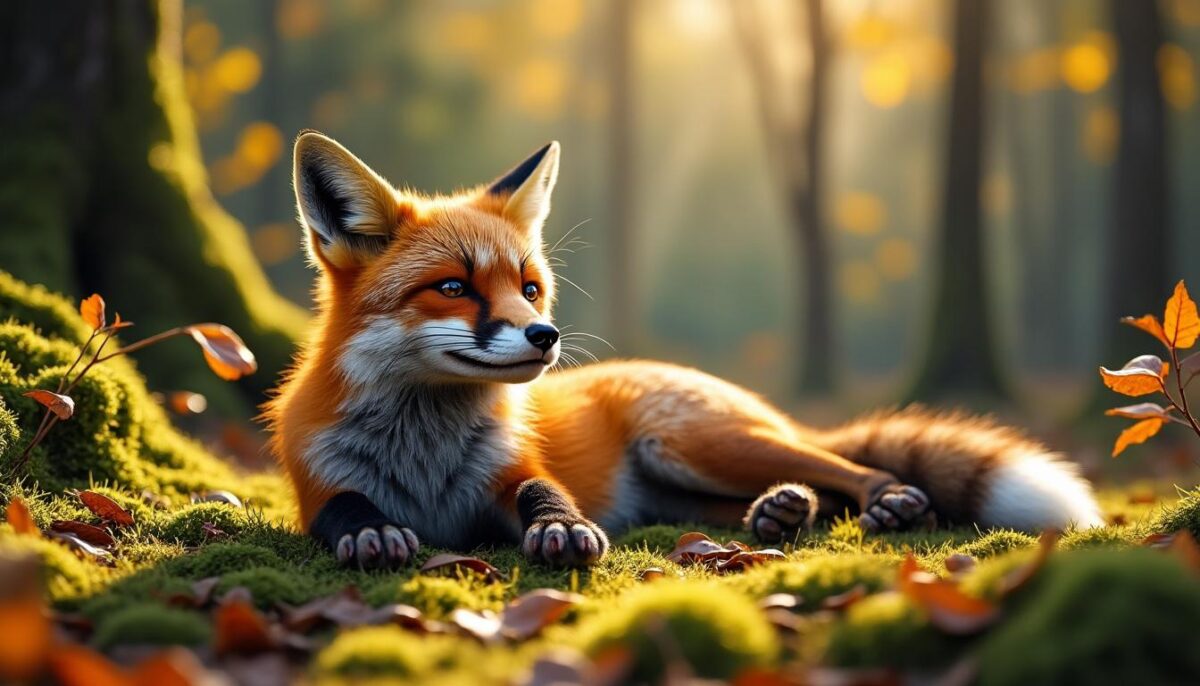
Injured wildlife: how to avoid the worst beginner’s mistake
Hi, it’s Judith. The worst mistake to avoid when you find injured wildlife is rushing in without properly observing or protecting the animal and yourself. Many people think that intervening quickly will definitely help, but often it worsens the situation for the animal and can be dangerous for you as well.
To do immediately
- Do not touch the animal if you are not sure it is in real danger.
- Observe discreetly to detect obvious signs of injury.
- Use thick cloth and gloves when handling an injured animal.
- Isolate the animal in a cardboard box, in a quiet, dark room.
- Call a wildlife rescue center or the LPO for professional assistance.
Before any intervention, observe carefully before acting is key. The instinct to help is natural, but it’s essential to learn to identify situations where rescue is necessary. Indeed, some young animals, like fawns, are left alone temporarily by their mothers and don’t need to be disturbed. To learn more about mistakes to avoid and appropriate actions, this practical guide offers valuable advice to help you get started quickly.
Why it’s essential to carefully observe injured wildlife first
When you encounter a wild animal that appears injured, it’s essential to assess the situation without rushing into action. Adult animals that remain motionless as you approach are often truly in distress. They frequently have visible injuries: open wounds, loss of mobility, or difficulty breathing. But this must be distinguished from a young animal that is alone, often safe, waiting for its mother to return.
This step prevents unnecessary stress and avoids the animal being unnecessarily removed from its habitat. Too many well-intentioned interventions result in animals being taken to care centers when it wasn’t necessary, which can complicate their return to the wild. A clear report of the Federation of Natural Parks It is important to remember that a good initial observation protects both the wildlife and the person intervening.
Beginner mistakes to avoid to protect injured wildlife
The biggest mistake is often trying to feed or water an injured animal. This can cause choking or other medical complications. Never attempt to feed injured wildlife without professional advice.
Another common mistake is handling animals without protection. Many animals, especially wild carnivores and birds of prey, may bite or scratch when stressed. Using thick gloves and a cloth to cover the animal prevents injuries and reassures wildlife. Finally, it is crucial not to attempt to treat the animal yourself (such as trying to stitch a wound). Care should be entrusted to a specialized center.
A table of mistakes to avoid and their consequences
| Beginner’s mistake | Possible consequence |
|---|---|
| Touching the animal without protection | Bites, scratches, transmission of diseases |
| Feed or give water | Risk of choking or serious digestive problems |
| Take away an uninjured wild animal | Unnecessary stress, disruption of family ties |
| Attempting to heal without competence | Worsening of the injury, increased stress |
| Do not contact a rescue center | Lack of appropriate care and reduced chances of survival |
3-step procedure for a safe and effective intervention
- Observe : Analyze the situation and signs of distress before any intervention.
- Protect Put on gloves and use a thick cloth to cover and handle the animal gently.
- Contact Place the animal in a cardboard box in a quiet place, then contact a specialist center such as the LPO or a nature refuge.
If it’s a bird, cover its wings and isolate it in a dark place. If you’re dealing with a small carnivorous mammal, ensure your own safety and limit the handling time.
A respectful attitude towards injured wildlife is a form of prevention against aggravated animal injuries. An inappropriate action can worsen the situation, while patience and caution often save lives. By 2026, wildlife rescue networks will increasingly rely on this well-thought-out approach to wildlife emergency management.
Thank you for your interest, Judith. It would be kind of you to leave a comment at the end of the article. Thank you all.
How can you tell if an animal is really injured?
An animal that is immobile, with visible signs such as bleeding or an inability to move, is often injured. If the animal is a young one left alone temporarily, immediate intervention is not necessary.
Should I feed an injured bird?
No, giving food or drink can cause choking or other health problems. You must wait for professional help.
What equipment should be used to handle a wild animal?
It is recommended to wear thick gloves and use a cloth to cover the animal before moving it.
Who to contact in case of injured wildlife?
Wildlife rescue centers, the LPO (League for the Protection of Birds) or specialized shelters are best suited to take care of them in the best conditions.
Can I treat the injured animal myself?
It is best to avoid any attempt at self-care as this may worsen injuries and stress.