Garden wildlife: 8 signs of a still-welcoming garden
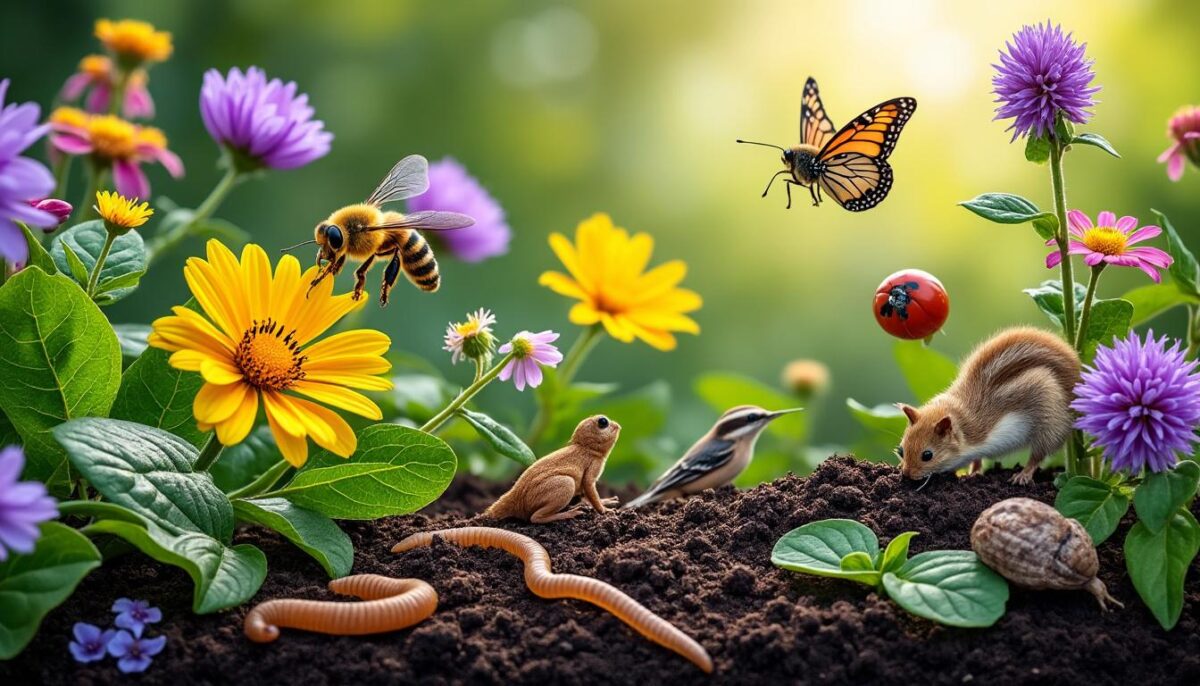
Hi, it’s Judith. A garden that’s still welcoming to wildlife is recognizable by the visible presence of pollinating insects, birds, small natural hiding places, animal shelters, and varied vegetation free of any trace of chemicals. This simple observation is enough to know if your land respects the biodiversity essential to a healthy ecosystem.
- Install a suitable nesting box for garden birds, according to their specific needs.
- Leave a wild corner with piles of wood and dead leaves to shelter hedgehogs and beneficial insects
- Place a shallow dish of water so that small animals can drink safely.
- Plant native shrubs to provide a continuous supply of flowers and berries
- Completely avoid the use of chemical pesticides and herbicides in the field
Spotting these signs in your garden is a first step. If it’s winter, the presence of bird feeders with regular visitors confirms a welcoming garden, even in the cold season. If it’s spring, the active building of nests or the appearance of solitary bees indicates a habitat conducive to the life cycle of local wildlife.
Practical tips for promoting local biodiversity And designing your garden to attract beneficial wildlife are two essential resources for exploring simple and effective solutions to adopt.
8 signs that show your land remains a haven for garden wildlife
1. A multitude of useful insects and pollinators are active
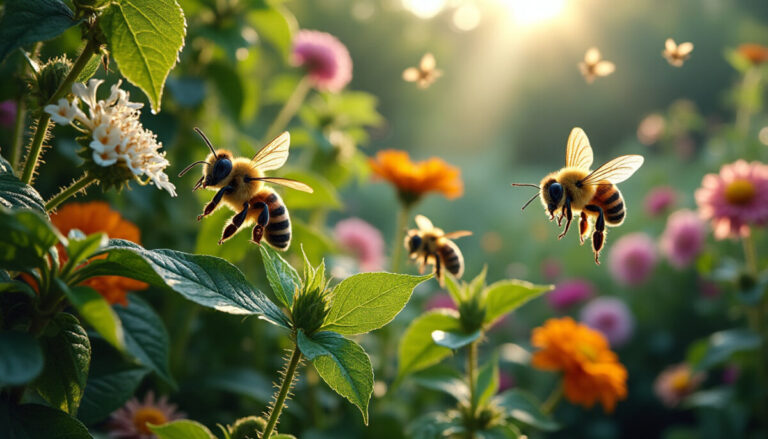
Key observation: bees, bumblebees, and butterflies regularly foraging. These insects are essential for pollination and the fertility of your garden. Their presence indicates healthy soil and diverse vegetation, often composed of native plants. You can recognize solitary bees by their frequent trips to perforated stems or small cavities in the wood. A tidy but not overly manicured garden allows these insects to thrive naturally.
2. Natural pest control through beneficial insects
In a healthy environment, aphids and slugs are kept in check by their natural predators, such as ladybugs, lacewings, and hedgehogs. If your roses and vegetables remain relatively unaffected, it’s a strong sign of ecological balance. Spiders also play a discreet role by weaving webs in secluded spots. Their presence often indicates that you’ve provided suitable shelters, such as woodpiles or grassy areas.
3. The diversity of birds in the garden, manifested by their songs and regular visits.
A welcoming garden attracts a variety of birds, including tits, robins, blackbirds, and goldfinches. They take advantage of the hedgerows with their native species, which produce berries and seeds in season. Garden birds also use the nest boxes and feeders you install. Their frequent visits are an indication that your garden provides them with sufficient food, water, and safety.
4. The presence of small mammals such as hedgehogs
These discreet animals play an important role in controlling slugs and snails. A plot of land that supports biodiversity provides refuges such as piles of leaves or wooden shelters. Their hiding places are often indicated by characteristic tracks or droppings. It is essential to avoid using chemical products that could be fatal to them.
5. The diverse natural shelters that offer refuge to wildlife
A pile of wood mixed with leaves, stones placed haphazardly, or a corner of wild hedgerow laid out in a staggered pattern provide a diversity of habitats. These spaces are essential for beneficial insects, amphibians, and reptiles. A garden organized into natural zones promotes the movement and safety of these inhabitants.
6. Accessible and secure water sources
A shallow water dish with a support to prevent insects or small animals from drowning is a sign of valuable care. Water is essential year-round, especially in summer and winter. These small dishes, when clean, are an ideal complement to the food offered.
7. Diverse vegetation, with an emphasis on native plants
Hedges composed of hawthorn, hazel, blackthorn, dogwood, or lavender guarantee a regular food source. These plants provide nectar, berries, and shelter, promoting local biodiversity with minimal maintenance. Flowers with double petals, however, are often best avoided as they don’t provide much food for insects.
8. The absence of major nuisances: pesticides, excessive lighting, domestic predators
A property will be more welcoming if you avoid pesticides, which are often harmful, and limit artificial light at night. Domestic cats can decimate local wildlife. Protecting nest boxes or using a collar with a bell reduces their impact. This vigilance shows that you are encouraging a true sanctuary.
A simple 3-step procedure to keep your garden welcoming all year round
- Step 1: Assess current biodiversity by observing species, natural shelters, and water sources. Note signs of activity and areas for improvement.
- Step 2: Creates diverse natural habitats: installs nesting boxes, piles of wood, plants native shrubs and secures water points.
- Step 3: Preserves a healthy environment by eliminating pesticides, limiting excessive pruning and mowing, protecting wildlife from domestic predators, and reducing light pollution.
List of concrete actions to promote nature and wildlife in the garden
- Leave grassy areas unmowed in autumn to provide shelter for insects.
- Install nest boxes for tits, redstarts and bats at the right height and orientation.
- Provide a shelter for solitary bees with hollow stems and drilled logs.
- Plant a locally diverse hedgerow.
- Set up a shallow water source that is regularly replenished.
- Create radiating piles of branches, leaves and stones for small mammals and reptiles.
- Promote pollination with nectar-producing flowers spread over several seasons.
- Avoid excessive nighttime lighting and overuse of chemicals.
| Signs of welcoming ground | Benefits for biodiversity | |
|---|---|---|
| Activity of countless pollinating insects | Ensures pollination and soil fertility | Native flowering plant that attracts bees over several seasons |
| Regular presence of diverse garden birds | Natural predators of harmful insects, seed vectors | Install suitable nesting boxes and feeders |
| Abundance of natural hiding places (piles of wood, leaves, stones) | Shelters for hedgehogs, amphibians, and beneficial insects | Leave the wild corner unmaintained and the pile in disarray |
| Water source accessible all year round | Safe hydration for all small animals | Install shallow water dish with stand |
| No chemicals or light pollution | Maintains a stable ecosystem and protects species | Replace pesticides with natural methods and limit lighting |
FAQs about garden wildlife and preserving a welcoming environment
How can you tell if a garden is truly welcoming to wildlife?
A welcoming garden shows the presence of pollinating insects, active birds, small mammals visible or their traces, and offers various natural shelters in addition to varied vegetation without pesticides.
What are the main enemies of biodiversity in a garden?
The use of pesticides, excessive nighttime lighting, excessive cleaning of wild areas and the uncontrolled presence of domestic cats represent the greatest threats to local wildlife.
Is it necessary to install an insect hotel?
An insect hotel can be useful if it is well-designed with suitable materials and placed in full sun. But the most important thing remains natural shelters such as piles of wood or leaves.
How to feed wintering wildlife without creating dependency?
A variety of seeds and fruits should be offered during the winter, but only from November to March, avoiding any excess and regularly cleaning the feeders.
Why prioritize native plants in your garden?
Native plants are better adapted to the local climate and naturally attract beneficial wildlife, thanks to their flowering and fruiting cycle corresponding to the needs of local biodiversity.
Thank you for your interest, Judith. It would be kind of you to leave a comment at the end of the article. Thank you all.