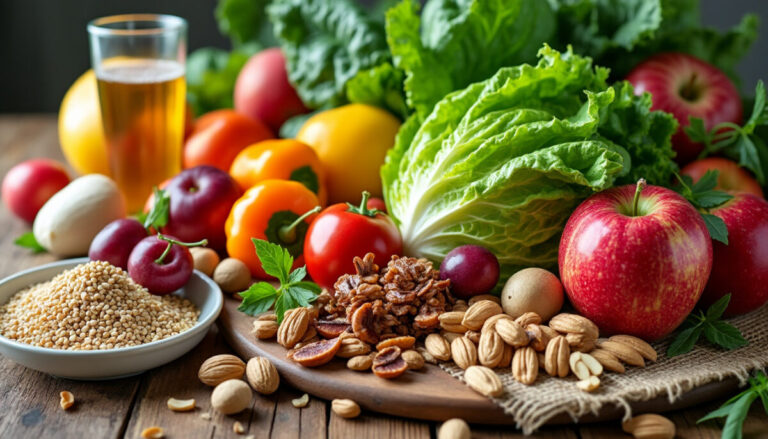
Natural food: doubts about supplements quickly resurface
Hi, it’s Judith. When we talk about natural nutrition, dietary supplements can quickly raise concerns, but a well-balanced diet and a cautious approach are all it takes to navigate them safely. Generally, these supplements don’t compensate for the deficiencies of a rich and varied diet, and their excessive use can lead to seriously underestimated side effects. Natural nutrition is first and foremost about common sense for health and well-being, not an addiction to natural products.
To do immediately
- Honestly assess your daily diet before adding supplements.
- Consult a healthcare professional before taking this, especially if you are already taking other medications.
- Limit the consumption of multiple supplements at the same time to avoid the risk of interactions.
- Opt for certified natural products and avoid impulsive online purchases without guarantees.
- Pay attention to any unusual side effects and report any symptoms to your doctor.
Despite their popularity, particularly among 18-44 year olds and especially in winter, the reality, according to ANSES (the French Agency for Food, Environmental and Occupational Health & Safety), remains clear: supplements are not a substitute for a good meal and can even cause problems, allergies, or food poisoning. To learn more about the risks and how to better manage your nutrition, discover these practical tips on [website/platform name]. the pitfalls of natural food and how to avoid common mistakes via this simple comparison.
Natural foods and supplements: what you need to know to avoid the pitfalls
Dietary supplements, even those marketed as “natural,” are not harmless. They do not require official authorization before being sold, which means their efficacy and safety are not systematically monitored. This is a real health concern because some substances, such as essential oils, can contain toxic compounds. And we must not forget the drug interactions that can cause hallucinations or reduce the effectiveness of treatments.
A concrete example? Zinc, when consumed in excess, can cause a copper deficiency. Aloe vera is contraindicated in cases of intestinal obstruction, while echinacea should be avoided in cases of immune disorders. Vitamin D is another sensitive issue: infants have suffered from overdoses linked to supplements. Understanding all of this means better protecting your well-being.
Three steps towards safe and sensible consumption
- Step 1: Take a realistic look at your diet before considering supplements.
- Step 2: Talk to your doctor or nutritionist about the specific needs and risks associated with the products you are considering.
- Step 3: Monitor yourself and adjust the dose according to your body’s feedback, never self-diagnose.
The risks associated with misuse and misconceptions about dietary supplements
Consumption has skyrocketed since 2019, increasing by half, largely due to trends fueled by the health crisis. Yet, 37% of French people still believe these products can replace a deficient diet—a dangerous myth. Consuming several supplements simultaneously, sometimes up to fifteen, increases the risk of allergies and serious side effects, according to 2024 figures.
The desire to “lose weight quickly” or combat stress often leads people to succumb to viral marketing, but caution is advised. ANSES (the French Agency for Food, Environmental and Occupational Health & Safety) regularly monitors these trends and emphasizes that genuine nutritional deficiencies in the population remain very rare, except for vitamin D. This finding clearly suggests prioritizing a balanced diet and considering supplements as an occasional tool, never a systematic solution.
Gain a better understanding with this table of important risks and precautions
| Supplement type | Known risks | Recommended precautions |
|---|---|---|
| Vitamins (B, C, D) | Overdose, interactions, toxicity | Follow the prescribed dosage; check with a professional. |
| Trace elements (zinc, copper) | Nutritional imbalance, cross-deficiencies | Do not use multiple products at the same time |
| Plants and extracts | Allergies, side effects, interactions | Inform about your health status before taking |
| “Slimming” supplements | Liver damage, risk of addiction | Avoid unsecured online purchases |
| Concentrated essential oils | Genotoxic toxicity | Use is rare and under medical supervision. |
Quick cases: how to act depending on your situation
If you’re experiencing a lack of energy, instead of rushing to take supplements, start by improving your natural diet with more fruits, vegetables, and quality protein. Well-being often comes from a good dietary balance, not from overconsumption.
If you are taking multiple medications, be very careful: some supplements can interfere and worsen your symptoms. A medical consultation is essential before taking any.
A practical tip that’s been forgotten
A common mistake is believing that “natural” rhymes with “risk-free.” However, even natural products, when improperly dosed, often cause problems, sometimes serious ones. Discussing them with a specialist always prioritizes your well-being.
Are dietary supplements essential for a natural diet?
No, they are not essential. A well-designed natural diet generally covers all nutritional needs.
What are the symptoms of a supplement overdose?
This may include allergies, digestive problems, hallucinations, or drug interactions. Caution is advised.
How to avoid the risks associated with supplements?
Always seek medical advice, respect the dosages and avoid combining several products without advice.
Do supplements really help with weight loss?
Often, no. Many are ineffective or risky. A balanced diet remains the best solution.
Is it safe to consume dietary supplements without supervision?
This is not recommended. Some ingredients may interact dangerously with other treatments or conditions.
Thank you for your interest, Judith. It would be kind of you to leave a comment at the end of the article. Thank you all.