Beneficial insects: protecting them safely
Hello everyone, my name is Judith. In 2026, in a world where nature and ecosystems are becoming increasingly fragile, understanding how to protect beneficial insects safely has become crucial. These small, unsung heroes work tirelessly every day for pollination, biological pest control, and maintaining the biodiversity of our gardens. Eco-conscious gardeners know that their presence drastically reduces the need for pesticides, aligning ecological gardening with sustainable conservation.
Attracting and welcoming beneficial insects doesn’t require complicated actions, just a little attention to the biodiversity around our plants. By creating a haven for these natural predators, we encourage a natural ecological balance, without risk to your health or the environment. The list of effective actions is extensive, from planting nectar-rich flowers to installing suitable shelters. To learn more about the presence of dangerous parasites and to learn how to differentiate them from allies, or to discover tips for ecological gardening, do not hesitate to browse our practical advice.
Beneficial insects in the garden: how to recognize and attract these essential allies
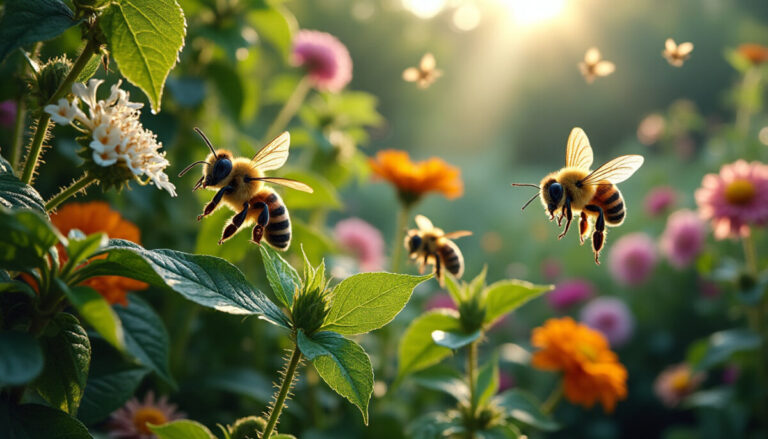
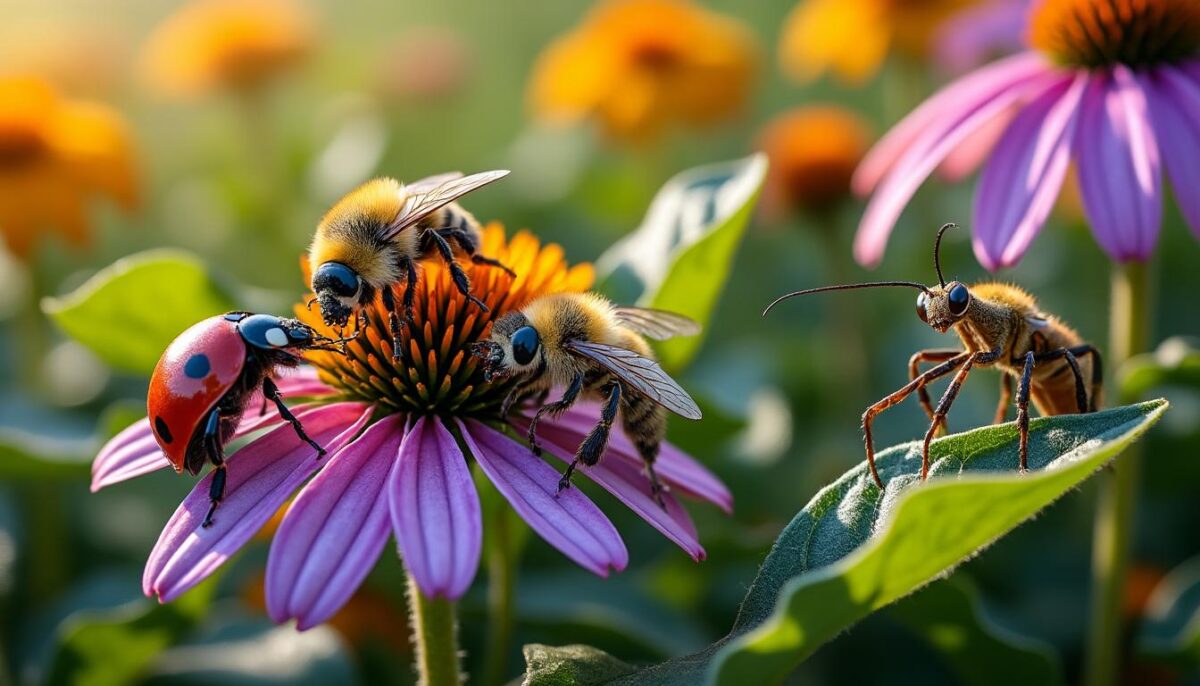
In our gardens, beneficial insects play a role that far exceeds their size. Among them, bees pollinate more than 80% of plants, boosting soil fertility and crop health. Others, like ladybugs and hoverflies, are champions of biological pest control, devouring aphids and caterpillars and thus reducing pests naturally. It’s therefore important to learn how to identify them: ladybugs are distinguished by their red body with black spots, while hoverflies, sometimes mistaken for wasps, exhibit a characteristic hovering flight pattern.
To attract these heroes, think flowers, flowers, and more flowers! Lavender, borage, or sunflowers are a treat for pollinators and other beneficial insects. And don’t forget the importance of their habitats: install a insect hotel A sturdy container, lined with straw and hollow stems, becomes a comfortable shelter where they can find refuge and reproduce. It’s important to remember that protecting beneficial insects begins with combating harsh pesticides; prioritizing healthy coexistence is key.
Creating a harmonious ecosystem: strategy and simple actions
The key to ecological gardening is building a balanced ecosystem where every species has its place. Incorporating hedges, leaving natural areas undisturbed, installing water features, and encouraging a wide variety of plants attracts not only beneficial insects but also other species, enriching local biodiversity. Don’t hesitate to leave a few “weeds,” which are often a source of food for little-known helpers.
An anecdote: in a suburban Paris garden, a simple insect hotel tripled the ladybug population in a single season, thus naturally limiting the appearance of aphids. As the naturalist Jean-Henri Fabre so aptly put it, “Nature doesn’t hurry, yet everything is accomplished.” With patience and consistency, we can sustain its success.
Protecting beneficial insects: how to act without risking the balance?
The best way to protect our allies is to ban, or at least minimize, pesticides. These chemicals seriously harm local biodiversity and disrupt the delicate balance between natural predators and pests. Replacing these treatments with natural methods, such as using beneficial insects or plant-based fertilizers, guarantees effective and respectful protection.
- Promote nectar-producing plants to feed pollinators all year round.
- Install insect hotels to provide shelter for ladybugs, hoverflies and solitary bees.
- Limit chemical interventions in order not to destroy beneficial populations.
- Provide simple water points to hydrate insects during dry periods.
- Planting diverse hedges to promote biological diversity.
By carefully observing your garden, you will quickly learn to detect the presence of these invisible allies. Their actions guarantee a healthy, productive garden that respects the useful and valuable insects with their multiple roles.
Comparative table of beneficial insects and their key functions in ecological gardening
| Useful insect | Main role | Attractive plants | Environmental benefits |
|---|---|---|---|
| Bees | Pollination | Lavender, sage, sunflower | Crop fertility, increased biodiversity |
| Ladybugs | Aphid predation | Wild carrots, nettles | Pest reduction, decreased chemical treatments |
| Hoverflies | Predation and pollination | Borage, fennel | Integrated biological control, pollination |
| Carabids | Predators of slugs and caterpillars | Wetlands, fallen leaves | Natural pest management |
How can I identify beneficial insects in my garden?
Identify the color, size, and behavior. For example, red ladybugs with black spots are predators of aphids, while bees actively forage around flowers.
Why is it necessary to avoid pesticides to protect beneficial insects?
Pesticides kill not only harmful insects but also those that are essential for pollination and natural biological control, disrupting the ecosystem.
How to build an effective insect hotel?
Use untreated wood with different compartments filled with straw, hollow stems, and dead leaves. Place it in a sunny spot sheltered from the wind.
What are the best plants to attract beneficial insects?
Lavender, borage, sunflower, sage and fennel are among the favorites for feeding bees, hoverflies and other helpers.
How can I measure whether my garden is benefiting from the presence of beneficial insects?
Active pollination, a visible reduction in pests, and abundant harvests are signs that the ecosystem is functioning harmoniously.
Thanks for reading, Judith.