
Wounded wildlife: this human reflex can cost you dearly
Hello, Judith here. The most costly reflex we can have when facing injured wildlife is often to want to intervene directly without knowing the appropriate steps. This well-intentioned action can worsen the suffering of wild animals and delay their rescue by professionals. We must learn to observe, protect the area and contact competent animal救救 services quickly before any attempt at handling. This is the key attitude to limit damage related to improper care and ensure wildlife preservation. Immediate actions: identify the right local animal rescue contacts, always keep a respectful distance, do not feed or move, cover without restraining the animal, and call a specialized care center. To understand better, also look at these tips about the mistakes to avoid with injured wildlife and discover how a human reflex can cost the life of a bird.
Pourquoi ce réflexe humain peut aggraver la situation des animaux blessés
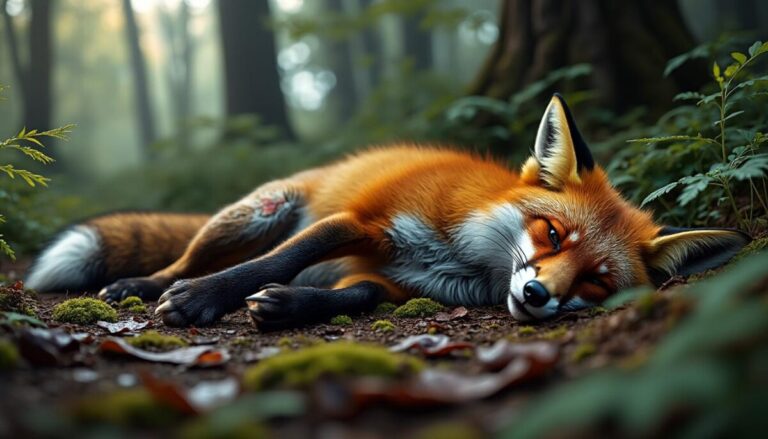
Face à un animal sauvage blessé, notre réaction instinctive est d’intervenir au plus vite pour le secourir. Pourtant, manipuler un animal en souffrance sans formation spécifique peut provoquer des blessures supplémentaires ou du stress intense. Ce comportement humain, bien que motivé par la compassion, risque aussi d’empêcher la faune blessée de bénéficier de soins adaptés par un vétérinaire spécialisé ou un centre de sauvegarde. Le déplacement précipité d’un animal vers un lieu non adapté cause souvent des chocs physiques ou psychologiques, ce qui complique l’intervention animale ultérieure. Le respect du comportement animal est capital pour permettre son rétablissement rapide et limiter les risques sauvetage.
Les mauvais réflexes courants et leurs conséquences
- Trying to pick up the animal in your arms without proper protective gear, exposing both to reciprocal injuries.
- Feeding it or giving it improper water, which can worsen digestive disorders.
- Ignoring the animal’s stress, which can impede the necessary wildlife care.
- Moving the animal over long distances without coordination with an animal rescue center.
- Failing to call a specialist at the first signs for a rapid professional intervention.
Intervention animale : comment faire le bon geste en attendant les secours
Face à une faune blessée, la première règle est la patience et l’observation calme. Il ne faut pas se précipiter pour manipuler l’animal. Voici une procédure en trois étapes à suivre :
- Étape 1 : Évaluer la situation à distance sans troubler l’animal pour minimiser son stress.
- Étape 2 : Isoler la zone pour éviter les perturbations extérieures, tout en protégeant l’animal des prédateurs et du danger humain.
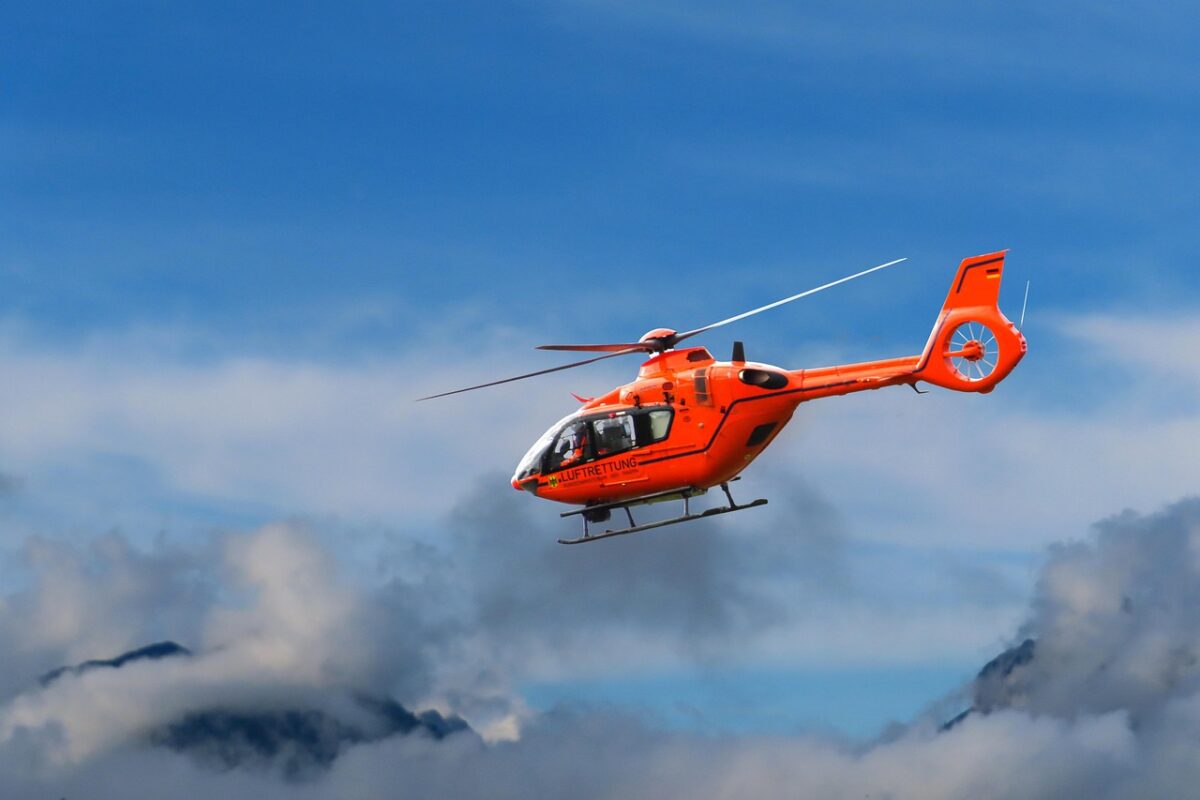
- Étape 3 : Contacter rapidement un centre de secours animalier reconnu qui pourra prendre le relais avec du matériel et des compétences spécifiques.
Par exemple, si c’est un oiseau victime d’un choc mais gardant ses plumes, il est conseillé de l’observer au sol sans le toucher inutilement. Si c’est un mammifère au comportement agressif, la sécurité doit primer, gardez vos distances et alertez rapidement les professionnels.
Préserver la faune blessée : le rôle clé du comportement humain
The human factor is central to the success of caring for distressed animals. Far too often, a bad reflex can cost wildlife by worsening its injuries or complicating wildlife care. It is therefore essential to strengthen knowledge around wildlife rescue to encourage responsible and respectful behavior. Remember that in many cases, waiting for specialized animal intervention is the best option to ensure long-term well-being for the victims. In parallel, increased awareness about rescue risks related to improper handling also helps limit animal damage.
Organiser son environnement pour limiter les accidents
Moreover, adapting one’s domestic or gardening environment can reduce risky situations. For example, by limiting waste and attractants for injured wildlife, or by avoiding the creation of accidental traps around the house. In case of encountering a snake, which many dread, it is advisable to stay calm and back away slowly rather than grabbing a tool to strike it; this commonly retained human reflex can have serious legal consequences and worsen the situation (read more here).
| Bonnes pratiques face à la faune blessée | Actions à éviter |
|---|---|
| Observer à distance sans stress | Saisir ou déplacer précipitamment |
| Contacter un centre spécialisé rapidement | Donner à manger ou forcer l’eau |
| Protéger la zone environnante | Frapper ou chasser l’animal |
| Utiliser des équipements adaptés si manipulation nécessaire | Ignorer les signaux de souffrance ou de peur |
| Apprendre à reconnaître les espèces protégées | Tenter une capture non autorisée |
What to do first when faced with an injured wild animal?
Evaluate the situation from a distance to avoid stressing the animal further, then quickly contact a specialized rescue center.
Why is it not advisable to handle an injured animal without training?
This can cause it further injuries and slow its healing due to stress and physical trauma.
What are the risks of the wrong reflex when facing a snake?
Hitting or attempting to capture a snake can lead to dangerous bites and significant legal penalties.
How to protect injured wildlife while waiting for help?
By isolating the area calmly and limiting disturbances while keeping the animal at a respectful distance.
Are there resources to learn how to react properly?
Yes, many specialized sites, rescue networks and associations offer training and practical guides for good human behavior.
Thank you for your interest; Judith. It would be kind to leave me a comment at the end of the article. Thanks to everyone