
Garden wildlife: doubts about the neighbor’s cats
Hi, it’s Judith. When dealing with the neighbor’s cats in the garden, it’s essential to find a balance between protecting the property and respecting the pets. Generally, you can minimize damage by using gentle and appropriate methods to discourage the cats without harming them.
To do immediately
- Install devices that repel cats without violence (natural repellent sprays, ultrasound)
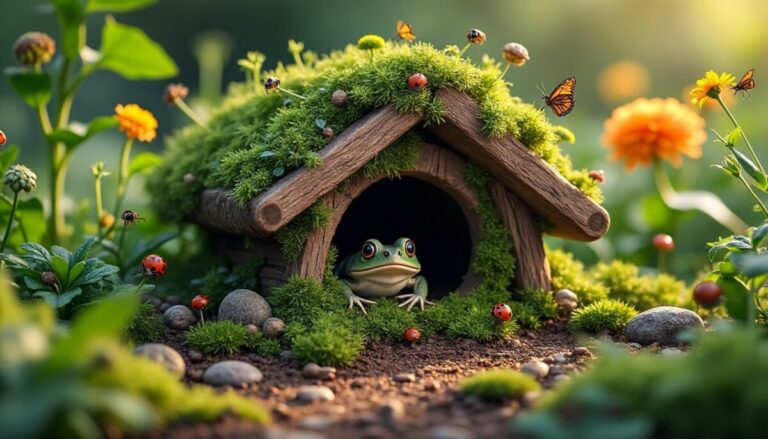
- Create refuge areas for garden wildlife, safe from predators.
- Discreetly observe the animals’ behavior to better understand the impact
- Communicating with the neighbor to discuss the possibility of cohabitation
- Consult specialized sources on the Wildlife in distress and its health and on the good management of weakened animals
In many cases, a neighbor’s cats present a real dilemma: they are both companions to some and formidable predators for local wildlife. This conflict, keenly felt in urban ecology, calls for active observation and the implementation of pragmatic solutions. Uncertainty often lingers regarding how to proceed, but there are clear paths forward. The first step lies in understanding animal behavior, in order to preserve both biodiversity and good neighborly relations.
Damage to the garden’s wildlife caused by the neighbor’s cats
Cats, even domesticated ones, remain instinctive hunters and can affect garden wildlife more than we realize. In urban environments, they contribute to declining populations of birds, small reptiles, and insects essential to ecological balance. A common misconception is that a cat fed indoors no longer hunts—in fact, their natural instincts often remain intact, and hunting remains a serious game for them.
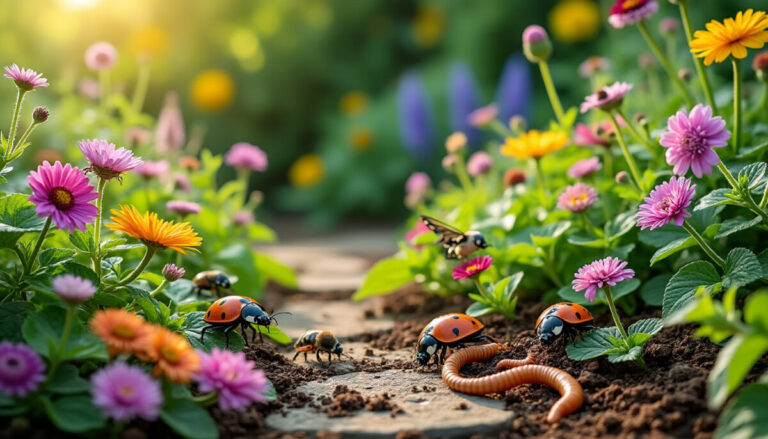
If it’s biodiversity you want to protect, you need to know which animals are most vulnerable in your garden. Small rodents can become scarce, as can nesting birds. Sometimes, damage goes unnoticed, especially if monitoring isn’t regular. Another essential point is garden protection through the creation of shelters or plant barriers. This ecological approach helps limit direct predation while allowing the natural environment to thrive.
When doubt creeps in about the neighbor’s cats
It’s understandable to have doubts about the cause of some of the garden’s missing animals. These neighbor’s cats are sometimes spotted, but not always, and they often move around at times when observing animals is difficult. In this context, a methodical approach is necessary.
- Step 1: Identification of direct signs (prey remains, tracks, bird behavior)
- Step 2: Implementing gentle measures to keep cats away (repelling them without aggression)
- Step 3: Encourage dialogue with the neighbor to explain the situation and find a solution together.
Creating a balanced coexistence despite predators
Coexistence between pets and local wildlife in an urban garden is not impossible. Adopting a few simple rules helps to minimize disruption. For example, mowing certain areas less frequently can provide refuge for small animals. Planting dense shrubs and providing suitable shelters also helps. Raising awareness among neighbors about the environmental impact and the importance of keeping an eye on their cats outdoors is often a good starting point.
| Actions | Benefits | Disadvantages |
|---|---|---|
| Install natural repellents | Non-aggressive, easy to renew | The effect varies depending on the cat model. |
| Create shelters for wildlife | Protects vulnerable species, promotes biodiversity | Takes up a bit of space in the garden |
| Dialogue and raising awareness among neighbors | Strengthens lasting mutual understanding | Requires good communication |
| Keep the cats inside at night | Reduces night hunting, protects wildlife | May displease the owners |
| Observe the garden wildlife regularly | Allows for quick detection of problems | It requires time and patience. |
Some quick practical tips
- If it’s a cat that frequents the area, install a small, targeted deterrent system.
- If it is a stray cat, contacting a local association may be necessary.
In general, it’s important to remember that the best solution combines active observation, physical protection, and solidarity with the neighborhood. Regular and considerate vigilance will often limit negative impacts on local wildlife.
How can you tell if a neighbor’s cat is the cause of missing animals?
Look for prey remains, observe the cats’ habits, and note any suspicious behavior such as disturbed birds or a reduced number of small animals.
Which natural repellents work best to keep cats away?
Herbal sprays such as lavender or lemon, ultrasonic devices, and mulches of prickly bark are often effective depending on the cat’s type.
How can you raise awareness among your neighbor without creating conflict?
Approach the subject calmly, share information about local wildlife and propose common solutions for the protection of the garden and cats.
Can we guarantee that the proposed solutions will work?
In many cases, these solutions reduce problems, but their effectiveness often depends on the local context and the specific characteristics of cats and wildlife.
Should we call in a specialist if wildlife is in danger?
Yes, especially if weakened or injured animals appear, it is important to consult wildlife professionals to avoid worsening the situation.
Thank you for your interest, Judith. It would be kind of you to leave a comment at the end of the article. Thank you all.