
Garden wildlife: this small shelter can save the balance
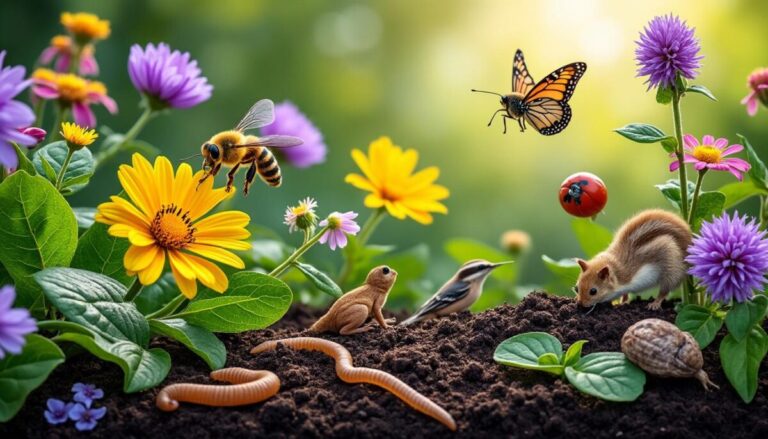
Hi, it’s Judith. Simply placing a suitable shelter in your garden can help maintain the ecological balance by providing refuge for the small animals and insects essential to biodiversity. Welcoming garden wildlife means preserving its natural habitat while promoting a healthy and vibrant ecosystem. This small gesture protects nature and makes your garden more ecological, a haven where every creature has its place.
To do immediately
- Set up an insect shelter using natural materials such as hollow stems and drilled pieces of wood.
- Install untreated wooden nesting boxes at a height for resident birds.
- Provide feeders filled with a variety of seeds and bowls of fresh water.
- Leave a wild corner with piles of leaves and tall grass for small helpers.
- Avoid chemical products so as not to harm these precious allies.
Choosing the right shelter helps protect insects and preserve small mammals and birds. It’s a simple action that creates a powerful connection with nature. For more tips, discover how welcoming small wildlife into your garden or how create a space for biodiversity in winter.
The vital role of shelters for garden wildlife
Small animals and insects play a vital role in the ecological balance. They pollinate flowers, fertilize the soil, and naturally control pests. Without them, the garden quickly becomes a barren wasteland. With the arrival of cold weather, many struggle to find proper shelter to hide and survive. A suitable animal shelter can make all the difference.
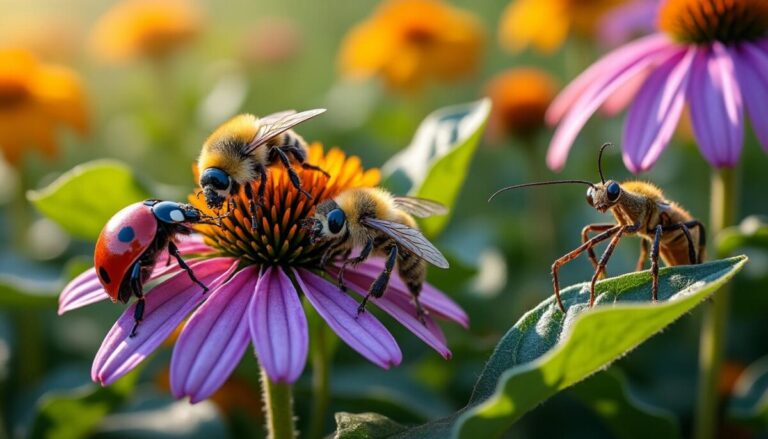
Insect hotels, for example, allow bees, lacewings, ladybugs, and butterflies to spend the winter dry and safe. Oriented towards the sun and placed in a quiet corner, they increase the chances of survival for essential species. The same is true for nest boxes intended for resident birds such as tits or robins, which often struggle to find food.
And let’s not forget small mammals, like the hedgehog, which greatly benefit from natural shelter such as piles of leaves or forgotten old boards. An ecological garden requires real attention to these refuges, which boost local biodiversity and strengthen nature conservation.
The essentials for an effective and welcoming shelter
| Species | Recommended type of shelter | Ideal location | Accessories to provide |
|---|---|---|---|
| Wild bees | Insect hotel with hollow stems and drilled wood | Sunny, 30 cm off the ground, quiet corner | No stagnant water, natural materials |
| Tits, robins | Untreated wooden birdhouse, fixed at a height | Tree trunk or facade, sheltered from the wind | A varied seed feeder and fresh water regularly provided |
| Hedgehogs | Natural shelter with a pile of leaves and a plank | Hidden from view, in a wild corner | No pesticides, supplemental food provided if needed |
If you have a small garden…
Prioritize a compact insect hotel and a small nesting box. A wild corner and a few leaves are often enough. This helps support local wildlife even in a small space.
If your garden is larger…
You can create more different types of shelter to attract a wider variety of wildlife: insect hotels, birdhouses, piles of wood and leaves for small mammals. The ecosystem will only become more balanced.
Procedure for a successful insect shelter
- Step 1: Choose natural materials (untreated wood, straw, hollow stems) and a quiet, sunny, not too humid location.
- Step 2: Assemble the shelter with several compartments adapted to the different species present.
- Step 3: Install it about 30 cm from the ground, facing south and protect it from the wind to promote hibernation.
Be careful, a common mistake is to place the shelter on a wall exposed to the cold or in a high-traffic area. This significantly reduces its effectiveness.
A little feedback from experience: in an urban garden, a shelter placed near an old rosebush resulted in a remarkable increase in ladybugs and bumblebees the following spring.
Feeding and protecting wildlife: a balance to maintain in winter
This small shelter isn’t always enough, especially in winter when food is scarce. Regularly offer seeds, suet balls, and fresh, unfrozen water. As soon as you set up your shelter, also add suitable bird feeders. It’s also crucial to stop using pesticides and herbicides in your garden to ensure a healthy natural habitat.
To learn more about how to protect wildlife around your home, comprehensive advice is available on how-to install shelters for small animals.
Why build an insect shelter?
Because insects are essential for pollination, pest control, and garden balance. A shelter provides them with a safe refuge in winter.
Where should I place a birdhouse?
On a tree trunk or a facade, high up, sheltered from the wind and ideally facing south or east.
What type of seeds should I put in the bird feeders?
A varied mix with millet, oats, sunflower and poppy is often effective for different bird species.
How can I prevent my neighbor’s cats from disturbing the wildlife in my garden?
Creating discreet and dense shelters, diversifying refuges and avoiding overly open areas can limit their impact.
Can you make your own insect shelter?
Yes, it is even recommended to adjust the size and materials to the species present, using natural wood, bamboo or pieces of brick.
Thank you for your interest, Judith. It would be kind of you to leave a comment at the end of the article. Thank you all.