Wild reptiles: safe coexistence
Hello everyone, my name is Judith. The presence of wild reptiles in our urban and suburban environments is constantly increasing. These animals, often misunderstood, are an integral part of local biodiversity and deserve special attention to ensure safe coexistence. Adapting our behavior to respect their natural habitat while guaranteeing everyone’s safety is therefore essential.
Wild reptiles play a significant role in the ecological balance of our green spaces and protected natural areas in cities. Understanding their behavior is key to developing genuine respect for wildlife, avoiding conflicts, and preserving these protected species. In this article, I explain how to observe them without disturbing them and contribute to an environment conducive to their survival.
To delve deeper, also discover how preparing your pet for winter and tips for reducing the stress of an animal in a changing situationUseful tips for better managing cohabitation when our pets share their territory with wildlife.
Wild reptiles in the city: understanding their presence and their needs
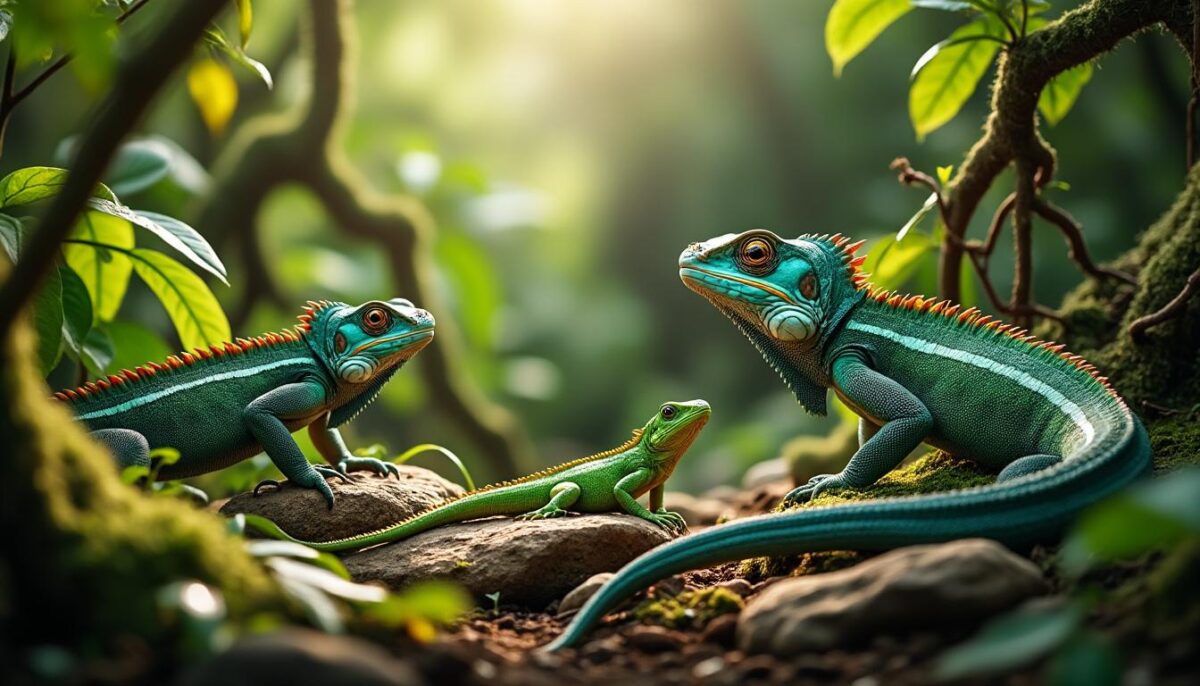
More and more reptiles such as lizards, snakes, and turtles are venturing into urban areas. This growing presence is a result of the reduction of natural spaces and their limited ability to adapt. They take advantage of micro-habitats like gardens, green walls, and parks to find shelter and food. However, they remain highly dependent on a clean and unpolluted environment.
Each species exhibits unique behaviors. For example, the ocellated lizard is an excellent indicator of the ecological quality of a place. Respecting these behaviors helps minimize disturbances. “True wisdom lies in respecting the territory of every living being,” said a great naturalist.
How can we ensure safe coexistence with wild reptiles?
Protecting their natural habitat is essential for their survival and your safety. Here are some practical tips:
- Avoid handling or disturbing Reptiles are often fearful and their stress can compromise their health.
- Do not feed For wild reptiles, this disrupts their natural diet and promotes unexpected behaviors.
- Secures residential areas by limiting the use of pesticides and maintaining coherent green spaces.
- Install natural shelters, such as piles of stones or wood, to offer them safe havens.
- Learn to identify protected species to report their presence to the relevant authorities if necessary.
Cities are now encouraged to integrate wildlife into their planning. Green spaces and ecological corridors facilitate the movement of reptiles, thus reducing the risk of conflict with humans. Thoughtful waste management and citizen education complement these efforts.
By participating in these initiatives, everyone can actively contribute to preserving local biodiversity. For example, a neighborhood in Montpellier has implemented a system to observe and protect green lizard populations, combining landscaping and raising awareness among residents. The result? Better coexistence, valued by all.
Advantages and disadvantages of cohabiting with wild reptiles
| Benefits | Disadvantages |
|---|---|
| Maintaining local biodiversity and natural balance | May cause fears or misunderstandings among some residents |
| Natural Insect Control harmful | Minimal but existing risks of bites, often due to stress in the reptiles. |
| Opportunities for environmental education for all ages | The need for supervision to prevent acts of mistreatment or disturbance |
Make no mistake: living with wild reptiles requires vigilance, but this cohabitation also leads to a deep connection with nature, often overlooked in the city.
Accompanying and responding to wild reptiles: key actions
When you encounter a wild reptile, always keep these best practices in mind:
- Observe without touching, and admires their behavior in their natural habitat.
- Signal their presence if you identify protected or endangered species.
- Ensures security children and pets by explaining the rules of mutual respect.
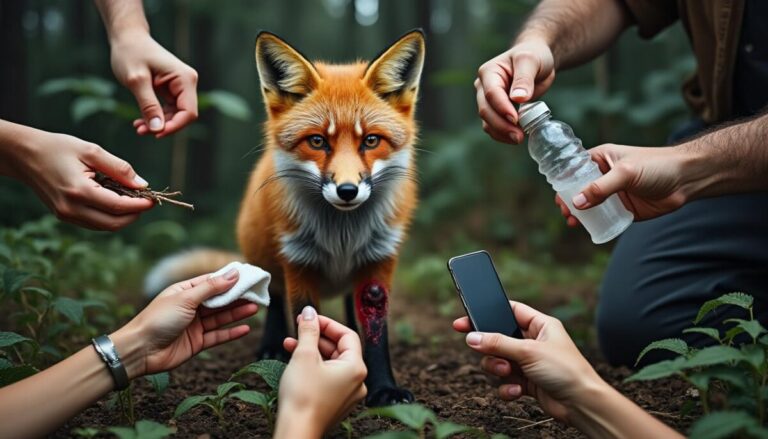
- Contact the relevant services. in case of an injured or endangered animal.
An anecdote illustrates the importance of this respect well: a private individual saw a snake in his garden and, rather than scaring it away, he placed a small sign to warn the neighbors, thus promoting collective understanding and safety.
The coexistence of humans and wild reptiles is therefore part of an ecological and civic approach, where everyone plays a role. By promoting respect for wildlife and reasoned human interaction, we preserve our environment and these fascinating species.
You can also find my advice on the Hedgerow wildlife and discreet species or find out how helping local wildlife during the winterThese resources perfectly complement the understanding needed for sustainable coexistence in urban and rural environments.
Thanks for reading, Judith.
Are wild reptiles dangerous in an urban area?
Most wild reptiles are harmless and avoid contact with humans. It is important not to disturb them to avoid any risk.
How to differentiate a protected reptile from a common species?
The best approach is to consult local guides or contact biodiversity experts. Some protected species are listed by local authorities.
What should I do if I find an injured reptile?
Never attempt to handle it yourself. Contact local wildlife services or a specialist veterinarian.
Can wild reptiles infect domestic animals?
Disease transmission is very rare, but it is best to avoid any direct contact between wild reptiles and pets.