Garden wildlife: should we fear small predators?
Hi, it’s Judith. No, you shouldn’t be afraid of small predators in your garden; they are often valuable allies that maintain the ecological balance. To protect your space while promoting biodiversity, simply adopt a few easy habits that encourage beneficial wildlife and limit damage.
To do immediately
- Install secure nest boxes high up, without perches, to prevent access by predators.
- Create openings in the fences to facilitate the movement of small mammals.
- Avoid chemical pesticides that destroy beneficial insects and unbalance the garden.
- Plant native hedges to provide shelter and food for local wildlife.
- Maintain wild areas with dead leaves and branches to provide shelter for hedgehogs and shrews.
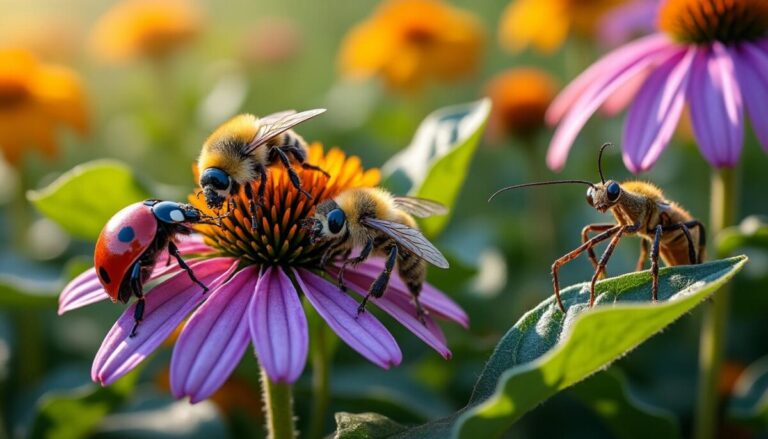
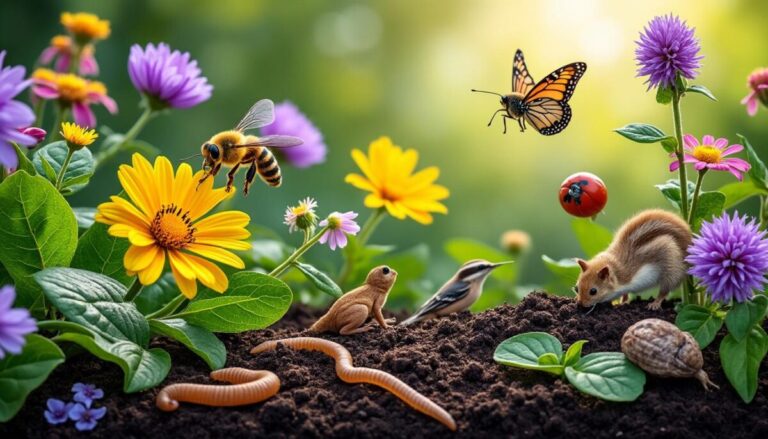
In the garden, the presence of small predators such as hedgehogs, shrews, beech martens, or even domestic cats can be worrying. Yet, they play a key role in the predator management and the regulation of garden pest populations such as slugs, insects, or even certain rodents. Accepting these natural predators is essential to preserve the biodiversity and avoid excessive use of chemical treatments. To learn more, you can discover how to distinguish between small mammals that are friends or foes in the garden, or how protect bird nests from predators.
Small predators: discreet allies of garden wildlife
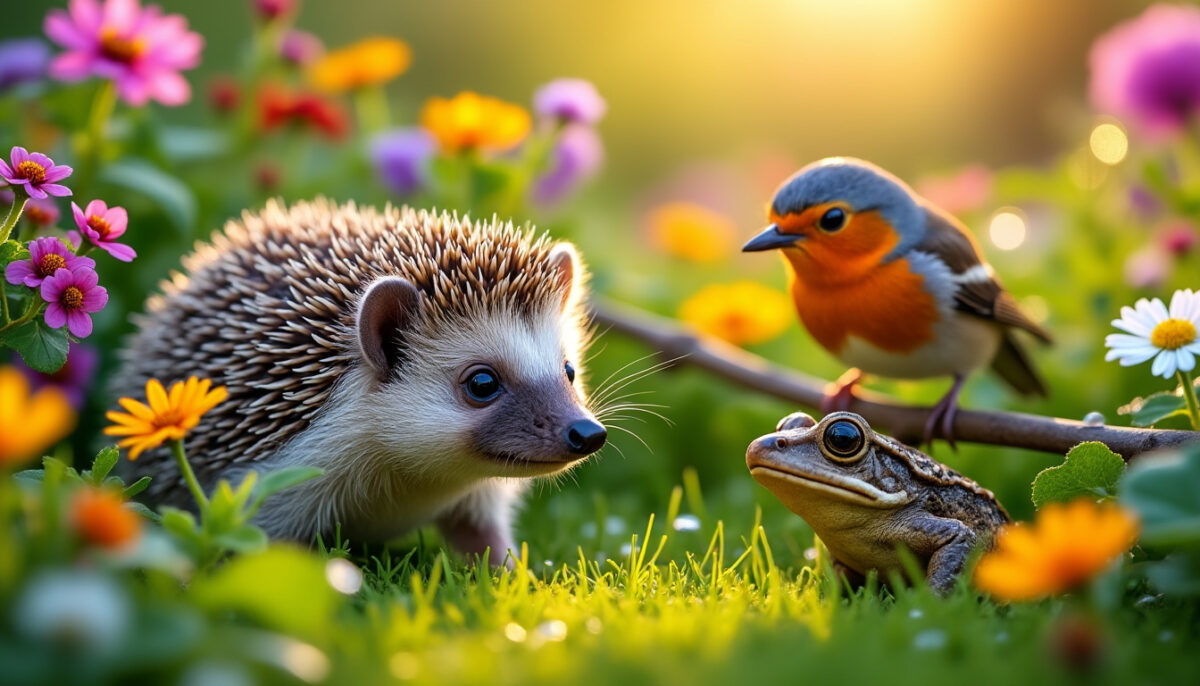
Small mammals like hedgehogs have an appetite for pests, devouring slugs, snails, and insect pests, making them indispensable allies. Shrews and dormice also limit the proliferation of insects and small rodents. Even though beech martens and pine martens may seem intimidating, their role in the ecosystem promotes diversity and prevents the overpopulation of certain species.
If you have a cat that frequents your garden, be aware that not all cats are efficient hunters or bird specialists. Nevertheless, to best protect nesting birds, it’s advisable to keep your house pets indoors during the nesting season. If you plan to put up nest boxes, avoid common mistakes such as leaving perches or installing the boxes too low, as this makes them easily accessible to predators.
How to identify risk areas and manage the balance
Birds of prey, both nocturnal and diurnal, may prey on some young birds, but generally, they do not threaten the entire population. The best protection often comes from careful habitat management: pruning low-hanging branches, placing nest boxes more than 2 meters high, and installing small barriers such as cat netting or piles of thorny branches around trees. A frequently overlooked step is removing any supports around the trunk that provide access to climbing predators like the garden dormouse.
Promoting biodiversity through the free movement of wild animals
One of the major challenges for garden wildlife is the fragmentation of spaces by fences, walls, and roads. Facilitating the creation of ecological corridors Creating low passages through fences allows small mammals and amphibians to move around, find food and shelter more easily. Planting free-growing hedges of native species such as hazel, hawthorn or dogwood instead of rigid walls or fences also improves ecological connectivity.
A hedge composed of diverse native shrubs does more than just define property lines: it also provides shelter, a food source, and a breeding ground for numerous species. Moderate pruning, in coordination with your neighbors, helps preserve this ecological continuity. It’s important to remember that the home range of small mammals and reptiles can extend up to 5,000 square meters. This makes collaboration between neighbors essential for ever more sustainable gardening.
A simple 3-step procedure to improve wildlife movement
- Assess identify the existing barriers around your garden and any obstacles to free movement.
- Create openings in the fences, between 15 and 20 cm, every 10 to 15 meters, protecting the edges to avoid injuries.
- Plant hedges of local species, rich in flowers and berries, to attract beneficial insects, birds and small mammals.
Table of small predators and their role in the garden
| Animal | Ecological role | Predation | Management tips |
|---|---|---|---|
| Hedgehog | It eats slugs, insects, and small rodents. | Weak for birds | Maintain piles of branches and wild areas |
| Shrew | Hunts small insects and invertebrates | Does not threaten birdlife | Avoid pesticides and preserve natural shelters |
| Weasel | Rodent population control | Rarely a predator of birds | Install nest boxes high up and without perches. |
| Domestic cat | Can hunt birds and small mammals | Considerable during nesting | Limit nighttime outings during nesting season |
How can we effectively protect bird nests?
To ensure the survival of nestlings, the placement of nest boxes is crucial: ideally, they should be at least 2 meters high, without any perches. A metal plate around the entrance hole will prevent small mammals like dormice from digging through. Also, avoid low branches or objects that facilitate climbing. Planting thorny plants at the base of trees often repels ground predators. And above all, avoid placing nest boxes under windows, balconies, or ledges accessible to cats or martens.
Why allow small predators into your garden?
Being afraid of small predators means overlooking a natural balance that is often fragile. animal preservation like hedgehogs or shrews maintains a garden fauna healthy and dynamic. Even if some predators occasionally take small prey or eggs, this is part of a natural selection that strengthens populations over time.
These small predators help regulate populations of harmful insects and limit mass infestations. For example, the presence of a beech marten or a pine marten in an old garden can prevent a rodent crisis. It is therefore better to approach garden protection not against them, but with them. It is better to encourage natural predators than to risk an imbalance by eliminating all wildlife.
Some common mistakes to avoid
- Using pesticides that kill beneficial insects essential to the biodiversity.
- Installing nest boxes that are too low or with a perch makes it easier for predators to access them.
- Completely block the passages in the fences, preventing free movement.
- Allow cats to roam freely during nesting season.
- Trimming hedges and shrubs without regard to breeding periods.
Which small predators are the most useful in the garden?
The hedgehog, the shrew, the beech marten, as well as certain birds of prey, help to regulate pest populations.
How can I protect my birds without harming small predators?
Install nest boxes high up, without perches, protect entrances with metal plates, and limit the presence of cats during nesting.
Why promote wildlife corridors?
These passages allow animals to move freely between gardens and natural habitats, which is vital for their survival and gene flow.
Are small predators responsible for significant damage?
In most cases, their damage is minimal compared to the benefits they bring to natural pest management.
How to attract beneficial insects?
Avoid pesticides, plant bee-friendly flowers, maintain wild areas rich in biodiversity, and install suitable shelters.
Thank you for your interest, Judith. It would be kind of you to leave a comment at the end of the article. Thank you all.