Useful animals in the garden: which ones really protect your crops
Hi, it’s Judith. To protect your crops effectively, rely on helpers like ladybugs, hedgehogs, bees, and even bats.
These helpful animals don’t just circle around the plants: they actively contribute to the health and balance of your garden by naturally regulating pests and stimulating pollination. Forget aggressive pesticides; in many situations, these natural allies protecting your vegetables and flowers are often the best ecological defense.
Immediate actions :
- Plant wildflowers and nectar-rich flowers to attract pollinators such as bees and butterflies.
- Install natural shelters, piles of dead leaves, or nest boxes, to welcome hedgehogs, bats, and garden birds.
- Stop using chemical pesticides, or replace them with organic gardening methods.
- Leave a fallow area with stones, twigs and tall grasses so that the auxiliary animals can shelter and hunt quietly.
- Regularly observe the wildlife by lifting leaves or at dawn; you’ll be surprised by the work these little allies do.
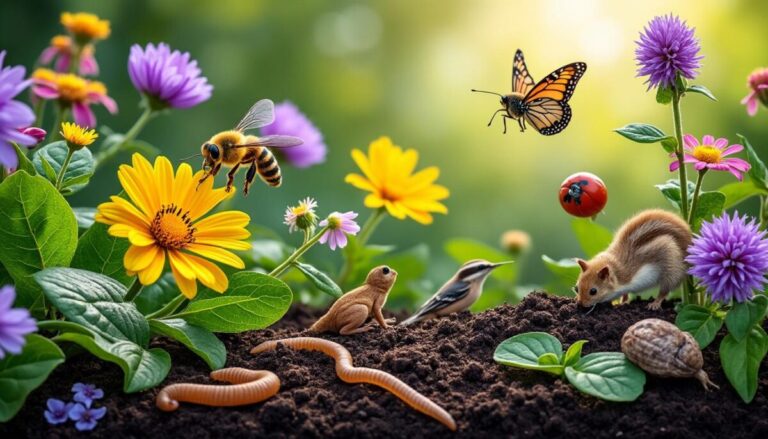
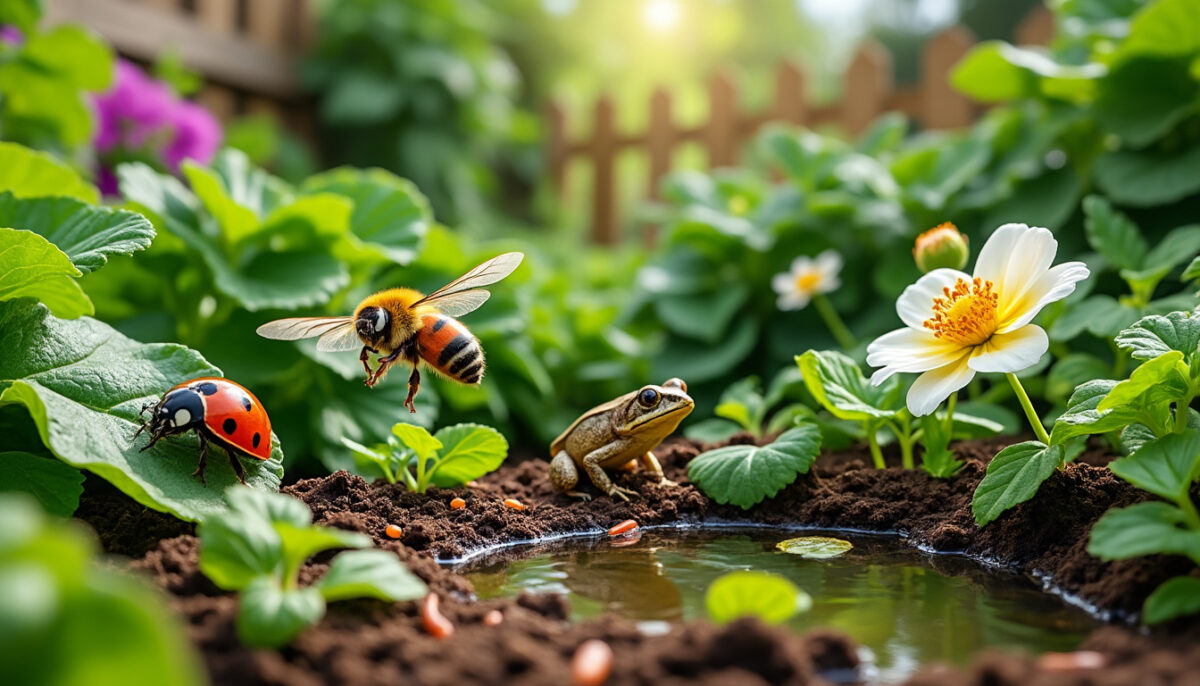
The impact of ladybugs in the fight against aphids is impressive: a single one can consume hundreds of them per day. Hedgehogs, often underestimated, eliminate slugs, snails and larvae. As for bees and butterflies, their role in pollination is crucial for abundant and healthy production. Without them, there would be no tomatoes or strawberries.
Discover, for more information, the richness of the useful garden animals and how to transform your space into a true refuge for biodiversity. Practical tips for welcoming these allies are also on these animals that are good for your garden.
The Allies That Really Protect Your Crops
You have every interest in promoting the presence of useful insects and helper animals. They are the ones who naturally regulate populations of harmful insects and other pests. For example, ladybugs devour aphids, mites, and scale insects. They can eat several hundred individuals in a few days, which helps prevent infestation of your plants.
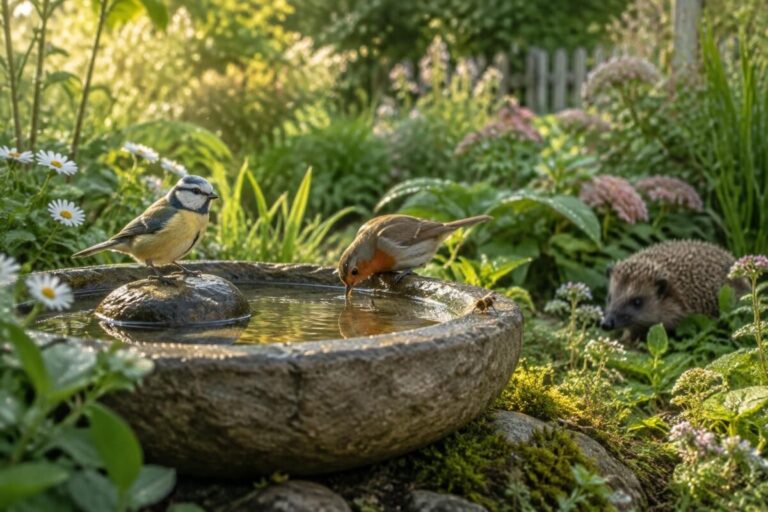
Hedgehogs, though they may seem harmless, are formidable predators of slugs and snails, frequent culprits of damage to leaves and soil. Providing a shelter with brushwood and a wild corner will welcome them properly and save you time on treatments.
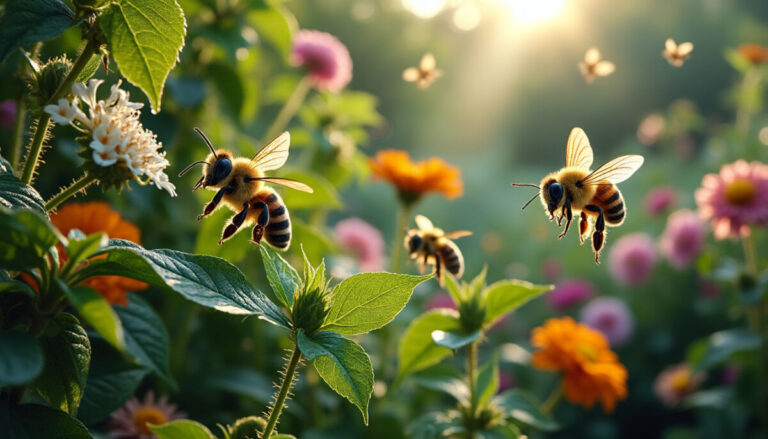
When it comes to pollination, bees and butterflies are irreplaceable. Their activity supports the production of fruits and vegetables. These pollinators need an environment rich in wildflowers and a garden not treated to thrive.
Bats, discreet yet effective, eliminate many nocturnal insects such as mosquitoes and nuisance moths. So why not provide them a dark roost under your roof or a wooden shelter, accompanied by a water source?
Tangible Benefits of a Garden Inhabited by Allies
| Animal | Role | Main garden pests | Tips for welcoming |
|---|---|---|---|
| Ladybug | Eater of aphids and mites | Aphids, scale insects | Avoid pesticides; plant nectar-rich flowers |
| Hedgehog | Predator of slugs, snails, and larvae | Slugs, snails, and various larvae | Leave a pile of wood and a wild area |
| Bees | Essential pollinators | Negative impact of pesticides | Plant wildflowers; avoid chemical treatments |
| Bats | Eat nocturnal insects | Mosquitoes, nuisance moths | Provide a dark roost, water source |
| Earthworms | Soil aerators and fertilizers | Compact soil, excessive chemicals | Mulching, natural compost |
How to Attract and Protect These Allies Daily
The best way to have effective helpers is to offer them a healthy and welcoming environment.
- Step 1 : Forget pesticides. Their use drastically reduces populations of useful insects and pollinators. Favor organic gardening.
- Step 2 : Install shelters, nest boxes and water points for various animals. A simple pile of leaves or a small pond often makes the difference for bats, frogs and garden birds.
- Step 3 : Plant a diversity of plants, especially nectar-rich and wild ones, to attract a variety of allies.
If your crops are infested with aphids, don’t rush straight to insecticides. Observe whether ladybugs or predatory larvae are already present. Otherwise, consider buying ladybug larvae to address the problem in an eco-friendly way. If you have slug problems, attract hedgehogs by creating refuges.
These Invisible but Precious Animals in Your Garden
Sometimes overlooked, earthworms, spiders, and soil fleas play a major role. Earthworms improve soil structure, making it looser and easier for plants to grow. Spiders, unjustly overlooked, are powerful predators of harmful insects, weaving their webs to relentlessly catch flies, mosquitoes, and other pests.
Soil fleas, though tiny, are among predatory larvae helping balance the insect population. Even if they often go unnoticed, their presence is a sign of a healthy garden.
List of simple actions to preserve biodiversity :
- Avoid excessive cleaning: leave fallow zones with piles of leaves and branches.
- Limit artificial nighttime lighting to preserve nocturnal beings such as bats.
- Provide host plants specific for butterflies and other pollinators.
- Install nest boxes for garden birds, especially blue tits and robins.
- Use natural mulch to keep moisture and feed earthworms.
What are the best animals to protect a vegetable garden?
Ladybugs, hedgehogs, bees, bats, and even birds such as tits are among the most effective at neutralizing pests and supporting pollination.
How to naturally attract ladybugs?
Plant flowers like marigolds, avoid pesticides, and leave a few fallow zones so they can lay eggs and hunt.
Are earthworms really useful in the garden?
Yes, they improve the soil structure by making it looser and fertile, which promotes healthy root and plant growth.
Is it dangerous to have spiders in the garden?
Not at all. They are natural predators of harmful insects and help preserve the health of crops.
Should we feed the useful animals in the garden?
It is preferable to let nature do its work, but you can supplement with bird seeds or stay attentive to the specific needs of some animals, especially in winter.
Thank you for your interest; Judith. It would be kind to leave me a comment at the end of the article—thanks to everyone