Garden wildlife: should it be moved out of the way?
Hi, it’s Judith. Should we move the garden wildlife out of the way? Actually, it’s better to let animals roam freely in their natural habitat, even through your garden paths, by creating suitable passageways.
To do immediately:
- Create small openings at the bottom of fences to allow hedgehogs and other small mammals to pass through.
- Opt for hedgerows and other plant-based vegetation instead of walls to promote biodiversity.
- Avoid excessive lighting in the evening so as not to disturb the nocturnal movements of wildlife.
- Place piles of wood or grassy areas along the edges of the paths to provide shelter and food.
- Share these good practices with your neighborhood to create a common ecological corridor.
To learn more, discover how let wildlife roam in your garden and why promote wildlife crossings is crucial.
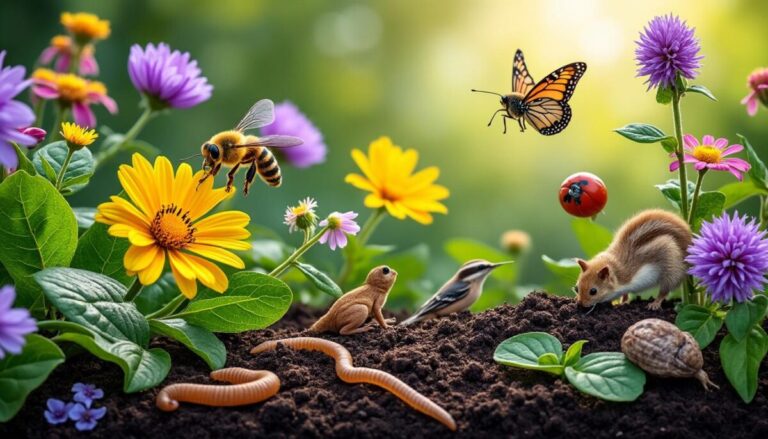
In many cases, moving wildlife away from natural pathways disrupts their natural cycles. Birds, small mammals, and insects travel several kilometers each day. They search for food, hiding places, and mates, and need nothing to obstruct their journeys. Therefore, a garden designed with refuge areas connected by natural passages allows all biodiversity to coexist peacefully with humans. How to help wildlife without causing damage We simply need to respect their rhythms and promote multiple habitats.
Why the free movement of garden wildlife is essential to biodiversity
Wild animals need space to thrive. A hedgehog, for example, can travel up to 4 km at night. If your garden is isolated and inaccessible, it won’t be able to meet all its needs. Wildlife moves around to feed, reproduce, and hibernate. Blocking their paths disrupts their balance and weakens the biodiversity of your environment. Allowing them to move also promotes genetic diversity, key to sustainable populations.
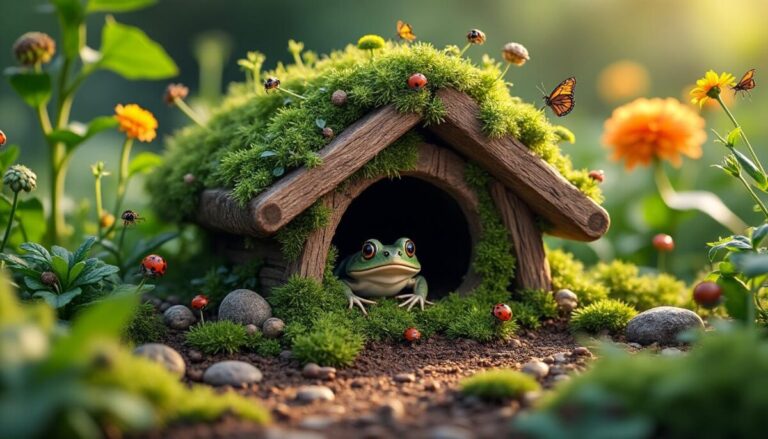
Nature has thought of everything. Hedgerows, grassy areas, and ponds create a network of interconnected habitats. These spaces are essential for the protection of these often discreet but indispensable garden species. Coexisting with these animals is not only possible but desirable, as it represents a real ecological advantage.
A simple solution to preserve this free movement is to limit rigid fences and opt for plant alternatives. These provide natural corridors for wildlife while defining your property boundaries. To go further, also observe the impact of nighttime lighting on their movements, as artificial lights often disrupt their natural rhythms.
Designing your garden so that wildlife is not “out of the way”
Creating wildlife crossings doesn’t require a major construction project. Follow these 3 simple steps:
Step 1: Identify natural passage areas, such as hedge edges or quiet corners, and widen them by removing obstacles such as solid fences or low walls.
Step 2: Create 15-20 cm openings at ground level in existing fences so that hedgehogs, lizards, or shrews can easily cross the boundaries of your garden. If there is a wall, your gate can be adjusted similarly.
Step 3: Plant hedgerows composed of local species such as dogwood, hazel, or hornbeam. These hedgerows become feeding grounds and refuges for wildlife while offering a gentle and ecological boundary.
With these improvements, even in an urban environment, the natural movement of wildlife is facilitated, helping to protect biodiversity.
List for maintaining animal movement in your garden
- Leave areas of unmowed spontaneous vegetation along the edges of the paths.
- Avoid using pesticides that harm beneficial insects.
- Limits nighttime lighting and prefers motion detectors.
- Preserves piles of wood, dead leaves or stones as shelter.
- Promotes silence or natural sounds so as not to disturb the wildlife.
A simple table to compare the types of crossings and their advantages
| Passage type | Advantage | Aided species |
|---|---|---|
| Opening in wire fence | Easy to create and inexpensive | Hedgehog, shrew, lizards |
| Country hedge | Refuge + ecological corridor | Birds, insects, small mammals |
| Passage under raised gate | Maintaining safety and access to wildlife | Small mammals, amphibians |
| Unmowed grassy area | Hiding places and food | Insects, small reptiles |
| Natural pond | Vital space for amphibians | Frogs, newts, salamanders |
Why not move the wildlife away from the crossings?
Moving animals disrupts their natural cycle and limits their access to essential resources. They need to move freely to feed, reproduce, and protect themselves.
How to create a wildlife crossing?
Simply create a small opening at the bottom of the fences, avoid solid walls, and plant local hedges. These passages should be frequent and protected.
Which animals benefit most from these crossings?
Small mammals such as hedgehogs, shrews, lizards, birds, and beneficial insects in the garden.
Does lighting affect garden wildlife?
Yes, too much light at night disrupts the natural movements of animals. It is recommended to use soft, timed lighting.
Why promote biodiversity in a garden?
Because a diverse range of wildlife helps to balance the ecosystem, reducing pests and promoting pollination, for a healthier garden.
Thank you for your interest, Judith. It would be kind of you to leave a comment at the end of the article. Thank you all.