
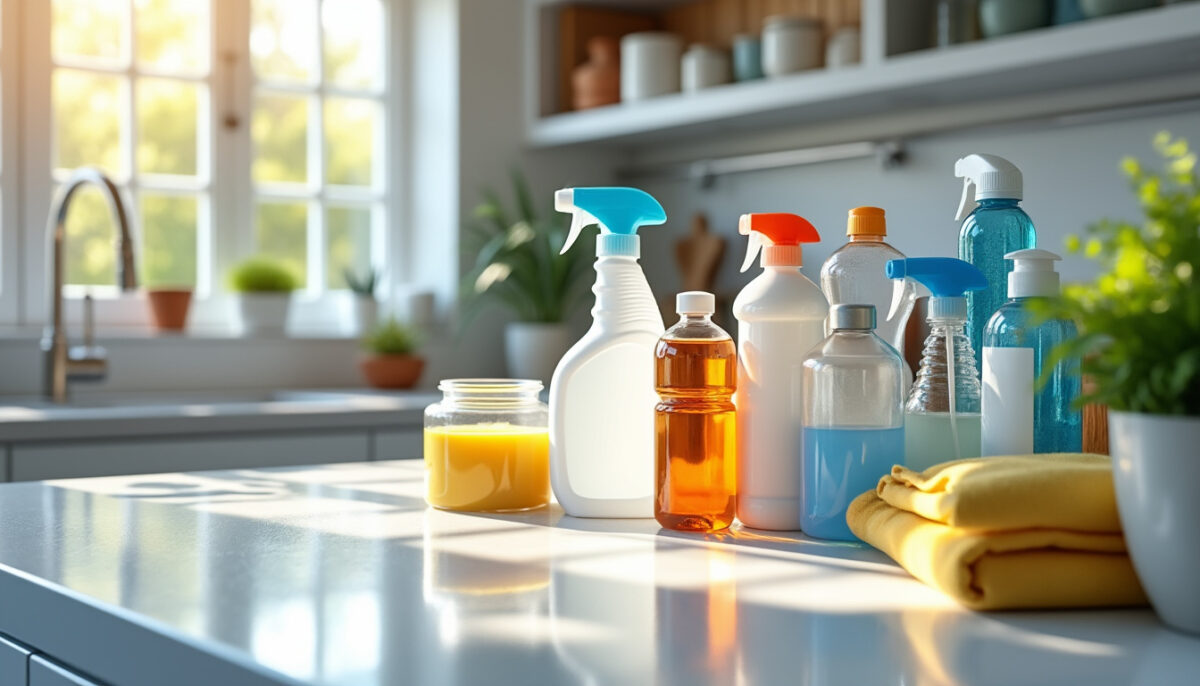
Home care: this common product should not be used
Hi, it’s Judith. To avoid health risks associated with home care, especially from a common product, you should never use fabric softener. This often underestimated product can cause allergies, irritations, and harmful contamination, particularly for children. It’s best to choose safe alternatives to protect your health and the health of your loved ones. Absolutely avoid the inappropriate use of this type of product in your homemade skincare routine.
To do immediately
- Stop using fabric softeners, especially if you have children at home.
- Replace them with natural solutions such as white vinegar or baking soda.
- Be careful with household products containing bleach or endocrine disruptors.
- Always read labels carefully to avoid allergenic or toxic substances.
- Promote daily ventilation of your home to limit airborne contamination.
For further information, you can consult this testimony about the alert against fabric softener And precautions to take with household products.
Why fabric softener is a risk to avoid in your home care routine
Contrary to popular belief, fabric softener is not the epitome of softness. This common product contains substances hyper allergenic such as methylchloroisothiazolinone and methylisothiazolinone. In children, this exposure can cause severe skin and respiratory reactions. This health risk is often ignored because the sweetness and pleasant smell mask its toxicity.
A product that is often misused and underestimated
Most families continue to use fabric softener out of habit, without considering the adverse effects. This mistake is amplified by marketing that associates the scent with cleanliness, creating a false sense of security. Yet, the inappropriate use of this product promotes household contamination by these toxic chemicals, which can cause allergies and other health problems.
Which products should I choose for safe home care?
To avoid sacrificing cleanliness and comfort, several eco-friendly and less hazardous alternatives exist. These products are effective, safe, and respect long-term health.
- White vinegar, a natural and non-allergenic disinfectant.
- Sodium bicarbonate, an excellent deodorizer and gentle cleaner.
- Marseille soap, ideal for laundry and surfaces.
- Essential oils, in reasonable quantities, for safe fragrance.
- Microfiber cloths for effective cleaning without chemicals.
Simple 3-step procedure for healthy home care
- Step 1: Prepare your homemade cleaner by mixing white vinegar, Marseille soap and a few drops of essential oils.
- Step 2: Use a damp microfiber cloth to apply this mixture to surfaces or laundry.
- Step 3: Ventilate the room well to avoid the concentration of vapors, and repeat as needed.
Household products to avoid in a healthy environment
The 60 Million Consumers survey highlights several common products that should be avoided due to their harmful effects in domestic use:
| Product | Harmful content | Adverse effects | Recommended alternative |
|---|---|---|---|
| The Ultra-Degreasing Cross | Bleach | Irritations, hormonal disruption | White vinegar + baking soda |
| Ajax Multi-purpose | Irritants | Allergies, contamination | Rainett Multi-Purpose Lime |
| Sanytol Degreaser Disinfectant | Chemical disinfectants | Indoor air pollution | Natural household cleaner |
| Carolin Multi-surface | Endocrine disruptors | Hormonal risks | Eco-labeled products |
Remember, in home care, it’s these kinds of details that make all the difference in terms of safety. Vigilance is key to avoiding serious and insidious consequences.
If it’s just for routine maintenance: use gentle cleaners.
If it’s for a deep clean: opt for an eco-labeled product, which is less harmful and has transparent labeling.
This precaution reduces health risks and facilitates good hygiene without excessive chemical contamination.
To learn more about the risks associated with household products And Discover why some home pet care treatments can also be risky..
Why is fabric softener dangerous to health?
Fabric softener contains very powerful allergenic substances that can cause skin and respiratory irritation, especially in children, increasing the risk of allergies and other health problems.
What are the best natural products to replace fabric softener?
White vinegar, sodium bicarbonate and Marseille soap are effective, gentle and much less risky alternatives for use in home care.
How to limit indoor air contamination in a house?
Regular ventilation, avoiding harsh chemicals, and choosing natural cleaners limit indoor air pollution and protect health.
What precautions should be taken with conventional household cleaning products?
Respecting dosages, avoiding toxic mixtures, ventilating the house well and favouring low-toxicity or eco-labelled products are essential rules.
Is it possible to make your own cleaning products?
Yes, with vinegar, bicarbonate, black soap and essential oils, you can create effective, economical and risk-free homemade treatments.
Thank you for your interest, Judith. It would be kind of you to leave a comment at the end of the article. Thank you all.