
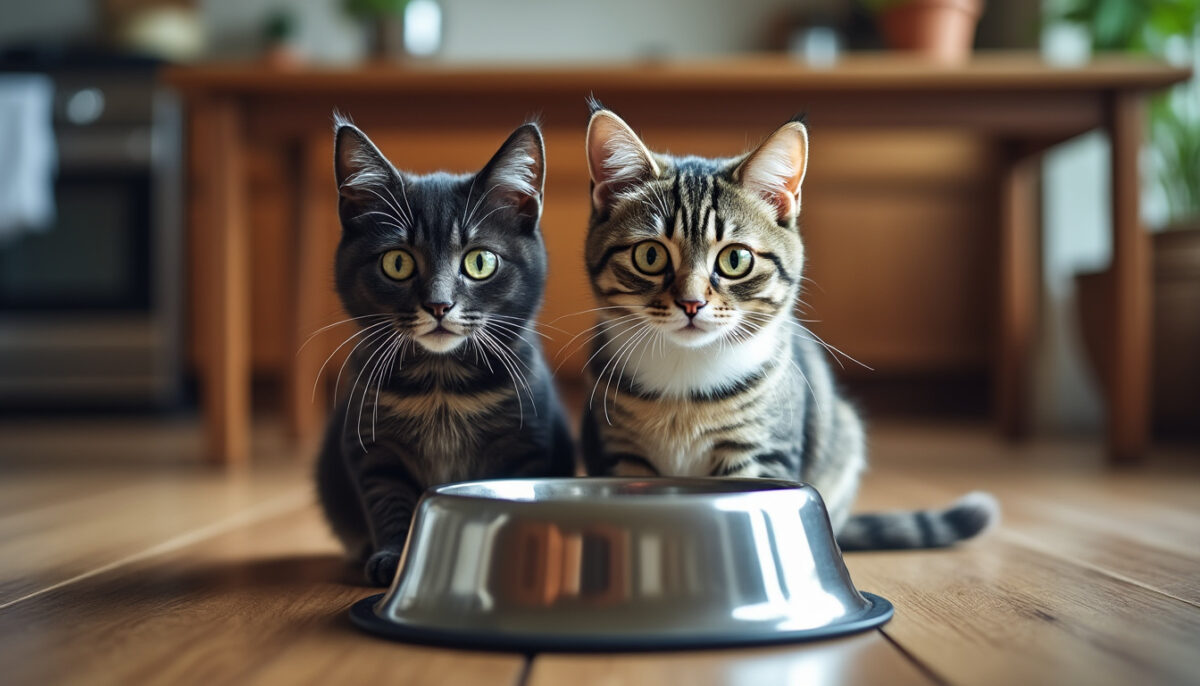
Cats: When silence at the food bowl becomes serious
Hi, it’s Judith. If your cat remains silent in front of its food bowl, you need to act quickly because this silence could signal a serious health or behavioral problem that requires attention.
To do immediately
- Observe if there is a sudden change in its appetite or usual behavior.
- Check that its food bowl is clean, suitable for its whiskers, and that the food is palatable.
- Identify if your cat is showing any associated signs: lethargy, vomiting, or visible pain.
- Offer him small, frequent meals to encourage stress-free eating.
- Consult a veterinarian promptly if the silence at the food bowl persists or is accompanied by other symptoms.
This unusual silence can mask problems such as mouth pain, stress, or illnesses like diabetes. A reading of warning signs at the food bowl or understand what your cat is really trying to tell you can help you better understand his behavior.
Why your cat is silent in front of its food bowl: serious symptoms and common causes
A cat that refuses to eat or remains motionless and silent in front of its food bowl is not being capricious. In many cases, this unusual behavior is the first visible sign of a deeper problem.
Oral pain (gingivitis, abscess, dental problems) is unfortunately a very common cause of this silence. The cat avoids eating to avoid pain. This can quickly lead to malnutrition if the problem is ignored.
Stress, seasonal depression, or a sudden change in its environment can also plunge your pet into a form of silent anorexia. Even a poorly placed food bowl or a toy disrupting its feeding area can trigger this behavior.
Special attention should be paid to older cats.
In senior cats, feline cognitive dysfunction syndrome can alter their eating habits. Sometimes, a simple behavioral issue manifests as silence around food. In such cases, a thorough analysis of the animal’s overall condition is necessary.
Adjust the food bowl and feeding environment to encourage appetite
Changing the food bowl can significantly improve food intake. Cats often refuse to eat if their whiskers touch the sides of a bowl that is too deep or if the container gives off an unpleasant odor, a phenomenon called whisker fatigue.
Prioritize a wide and shallow bowl, made of ceramic, heavy or fixed to a non-slip mat. This way you avoid spilling the kibble, which is often a sign of frustration or boredom.
To stimulate appetite, dividing meals into 3 to 4 small portions per day proves effective. In addition, hunting games with interactive cat toys or other playful toys can help combat boredom, an aggravating factor.
Summary table: Causes and solutions for a silent cat at its food bowl
| Possible cause | Associated symptoms | Recommended action |
|---|---|---|
| Oral pain (gingivitis, toothache) | Refusal to eat, drooling, panting | |
| Stress or depression | Isolation, silence, lack of interest | More play, a quiet space, enrichment |
| Inappropriate food bowl | Playing with kibble, refusing to eat | Change the food bowl, test materials and shapes |
| Metabolic diseases (diabetes, hyperthyroidism) | Increased thirst, weight loss, lethargy | Complete veterinary check-up |
| Aging and cognitive disorders | Disorientation, change in behavior | Veterinary monitoring, environmental management |
If your cat is silent in front of its food bowl: how to react in 3 steps
- Step 1: Observe its general behavior and note any changes, including appetite, thirst, and mood.
- Step 2: Try a suitable, clean bowl and an appealing type of food, divide the meals into smaller portions.
- Step 3: Consult your veterinarian if the behavior persists for more than 24-48 hours or is accompanied by worrying signs.
A friend shared that his cat had suddenly refused to eat. After a visit to the vet, treatment for gingivitis made all the difference. The silence at the food bowl was a cry for help that should not be ignored.
Impact of the environment on a cat’s eating behavior
Some cats live in harmony, but as soon as it’s time to eat, tension and competition can arise around the food bowl. This small detail in your mealtimes can disrupt the harmony between them. An individual food bowl, away from any foot traffic, avoids this unnecessary stress.
Discover This article is about feline harmony at the food bowl will help you better manage this crucial moment.
Why does my cat remain silent in front of his food bowl?
Often, this silence indicates pain, stress, or discomfort, especially if the animal refuses to eat. Action should not be delayed.
How can we recognize a health problem linked to this behavior?
If your cat refuses food and shows symptoms such as weight loss, vomiting, or lethargy, consult a veterinarian quickly.
Can the food bowl influence my cat’s appetite?
Yes, cats are sensitive to the shape, material, and cleanliness of their food bowl. An unsuitable bowl can hinder their eating.
What to do if your cat is bored or stressed?
Offer him games, divide his meals into smaller portions, and ensure he has a calm and enriched space to reduce his anxiety.
When should you consult a veterinarian?
If silence in front of the food bowl lasts more than 24-48 hours or is accompanied by worrying signs, a veterinary visit is essential.
Thank you for your interest, Judith. It would be kind of you to leave a comment at the end of the article. Thank you all.