
Cats: This shared meal sometimes ends in emergency care
Hi, it’s Judith. Giving your cat only one meal a day can sometimes prevent veterinary emergencies related to accidents or digestive problems, provided you are vigilant about safety and prevention regarding animal behavior during this shared meal.
To do immediately
- Organize a gradual transition to one meal a day.
- Choose a fixed time each day to reassure your cat.
- Prepare a complete and balanced meal to avoid deficiencies.
- Stimulate your cat between meals with games or toys.
- Monitor their behavior for any signs of distress.
To learn more about managing digestive disorders, discover our valuable advice. for optimal digestion and explores how a single meal a day can revolutionize your health, according to experts in this article.
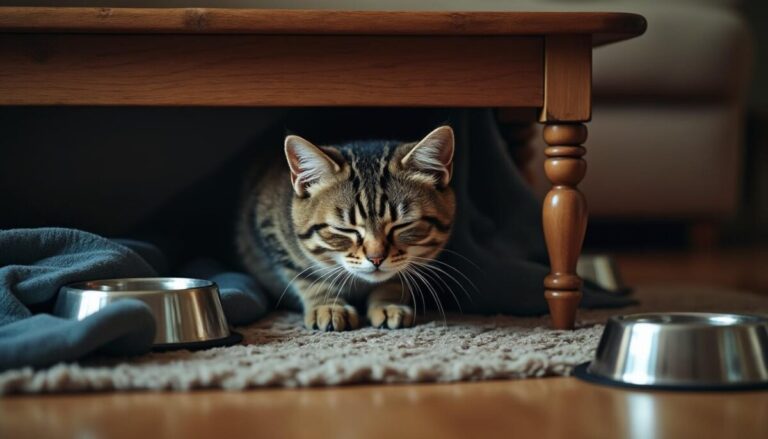
In many homes, the scene is a recurring one: your cat is eyeing the perpetually half-empty food bowl, demanding immediate attention. This meal shared between several cats can quickly turn sour. A fight breaks out, a collision results in an injury, and suddenly the simple moment of eating ends in a veterinary emergency. An accident that could be avoided if you know and understand animal behavior around the food bowl.
Animal behavior and shared meals: beware of the risks
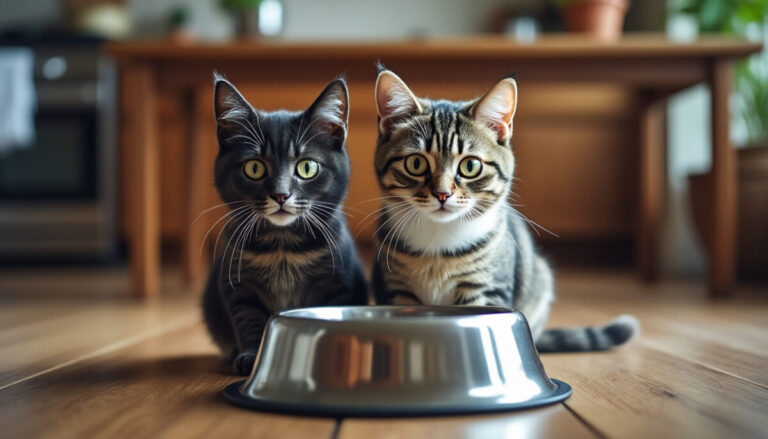
When several cats gather around a single food bowl, rivalry often erupts. Loud meowing, scratching, or even biting becomes a way to assert dominance. This tension is not a minor issue: it can lead to injuries requiring urgent care. Mealtime, which should be a peaceful moment, becomes a potential source of stress and accidents.
If it’s a dominant cat, it may block the other cat’s access, causing intense stress. If it’s a more timid cat, it may eat too quickly or jump on another cat’s food, increasing the risk of choking or vomiting.
Prevention is key to avoiding veterinary emergencies.
- Distributes several small meals in different spaced-out bowls.
- Observe their behavior from mealtime onwards, remove the food if agitation increases.
- Ensure that each cat has its own secure space.
- Avoid self-service meals to control portion sizes.
- Call a veterinarian if an injury occurs.
Changing eating habits: towards a single meal to reduce risks
Switching to a single daily meal can significantly reduce these conflicts. This method establishes a stable structure, reinforcing the cat’s focus on this daily ritual, a far cry from the ever-full bowl that fosters boredom and fighting. The cat concentrates, satisfies its hunting instincts, and digests better. But this new habit requires preparation.
| Stage | Action | Why this is important |
|---|---|---|
| one | Gradually reduce the number of meals over 1 to 2 weeks | Avoid feline stress and protests |
| two | Provides a single meal at a fixed time in the evening | Respect their natural rhythm of activity |
| three | Ensures a complete, balanced and appropriate meal | Guarantees long-term health and satiety |
If your cat vomits after this meal, you should consult a professional quickly, as this symptom may indicate a problem or injury related to this dietary change. Conversely, if the animal becomes calmer and more confident, this is already a good sign of adaptation and renewed serenity.
The unexpected benefits of a single meal plan on vitality and emergency prevention
Limiting constant snacking and reducing stressful moments around mealtimes significantly decreases the risk of accidents and injuries. In the long term, this also helps prevent certain digestive problems and weight gain. Paying attention to mealtimes strengthens the bond between you and your cat, who looks forward to this moment as a highlight of the day.
This new structured routine is a valuable tool for preserving your companion’s safety and well-being. A less stressed cat means fewer accidents, fewer urgent medical treatments to manage, and a stronger bond!
Frequently asked questions about single feeding and managing shared meals in cats
Will my cat refuse to eat if I reduce its meals?
A gradual transition limits this refusal. If the cats protest, reassure them through play and a strict routine.
How to manage food sharing between several cats?
Place several food bowls in separate locations to avoid stress and conflicts.
When should you consult a veterinarian after a meal?
In case of repeated vomiting, injuries during a fight, or a sudden change in behavior.
Is a single meal suitable for all cats?
Not for kittens, sick animals or seniors without veterinary advice, as they need special monitoring.
What should I do if my cat meows between meals?
Offers dispensing toys or play sessions to distract him/her.
Thank you for your interest, Judith. It would be kind of you to leave a comment at the end of the article. Thank you all.