Thin cats: how to react before the real decline
Hi, it’s Judith. If your cat is losing weight, you need to act quickly: monitor its weight, adjust its diet, and consult a veterinarian as soon as you notice any worrying signs. This proactive monitoring is key to preventing a serious decline in its health. A thin cat is often a sign of an underlying problem, so don’t take it lightly.
- Set up a regular weighing routine, ideally every week to monitor progress.
- Check the quality and quantity of your food, favour meals rich in protein and palatable.
- Observe its behavior, coat, and appetite to detect any changes.
- Create a calm and stress-free environment around its food bowl.
- Schedule a veterinary consultation for a complete check-up.
To understand in depth the causes of emaciation in catsTo discover which dietary options are best for helping him regain weight, expert advice is invaluable. Furthermore, monitor your weight regularly It allows you to be on alert from the first signs, which makes all the difference.
Visible signs to detect a thin cat before its health deteriorates
A skinny cat It often displays prominent ribs and a very visible spine. When you feel its flanks, you should feel a thin layer of fat, but if its bones are clearly defined to the touch, that’s a warning sign. Sometimes, its coat becomes dull, dry, or matted, as poor diet also affects its fur.
Another symptom is that he becomes more apathetic, sleeps more, and may refuse to play. His appetite may also be disturbed, ranging from a complete loss of appetite to paradoxical behavior where he eats a lot without gaining weight. In this latter case, a metabolic disorder such as hyperthyroidism is often the cause.
Some concrete examples to watch out for
If your cat seems to have maintained its appetite but is slowly losing weight, this situation requires a thorough and urgent diagnostic process. If, on the other hand, it’s eating very little, you should first improve the quality of its meals by starting with suitable and palatable food.
The main causes behind a cat’s thinness
Thinness can result from a variety of factors. For example:
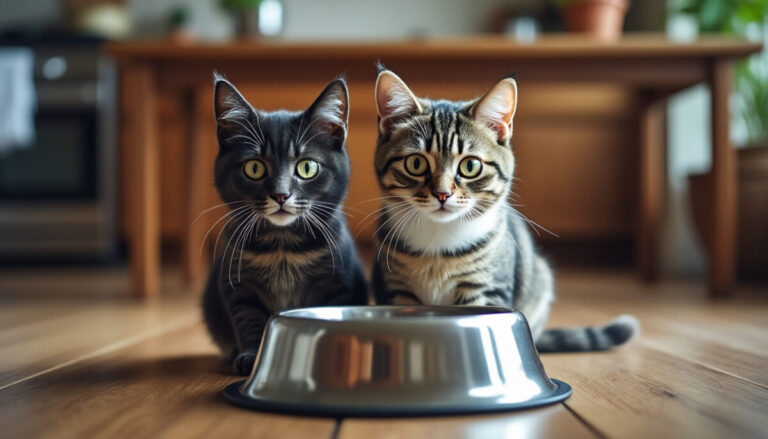
- Insufficient or poor quality food Some cats don’t eat enough or refuse new food. This can happen after a change in routine or the presence of other, careless animals during mealtimes.
- Metabolic diseases such as hyperthyroidism or diabetes, which disrupt metabolism and lead to weight loss despite a sometimes very high appetite.
- Digestive disorders and parasitic infections prevent proper nutrient absorption, causing vomiting, diarrhea, and weight loss.
- Chronic and infectious diseases (kidney failure, IVF, FeLV) which will weaken the body in the long term.
- Dental problems reduce food intake due to pain when chewing.
These causes require veterinary diagnosis to tailor the treatment. Not ignoring a cat that is losing weight is to prevent further deterioration of its health. feline health and offer him the best chance of recovery.
3-step procedure for responding to a thin cat
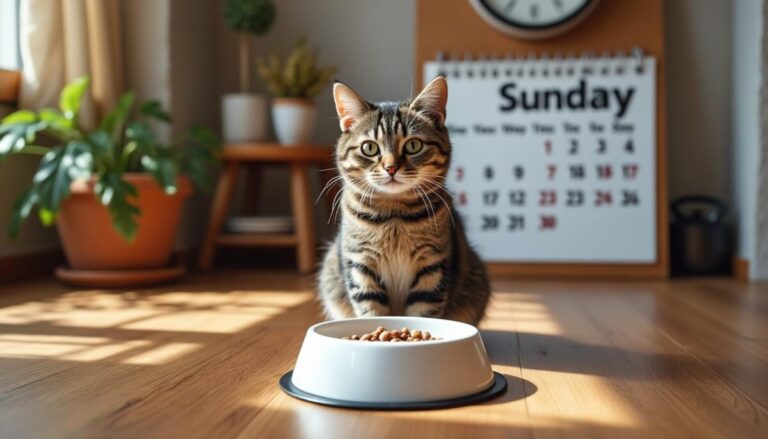
- Step 1: Monitor and record your weight and eating habits rigorously to objectively track the loss.
- Step 2: Improve your diet with nutritious and well-tolerated products, by dividing meals into smaller portions to facilitate digestion and appetite.
- Step 3: Make an appointment with a veterinarian for blood tests and complete checkups to rule out or confirm underlying diseases.
Appropriate care related to cat nutrition
Promotes a diet rich in animal protein, with a good balance of vitamins and minerals. Avoids sudden changes. A well-known example is the range Royal Canin Veterinary Gastrointestinalwhich effectively targets digestive issues and facilitates gentle weight gain. Dietary supplements such as omega-3 or brewer’s yeast can also support the immune system and appetite.
Monitoring cat weight and behavior: long-term maintenance
Don’t limit yourself to a one-off reaction: a weakened cat needs regular monitoring. This means:
- Frequent weighings and recorded notes to detect any relapse.
- Observation of behavior, including appetite and vitality.
- Creating a calm and safe environment to reduce stress.
- Continuous adaptation of the diet according to its evolving needs.
- Regular veterinary checkups to monitor its overall health.
Regular monitoring prevents the fall prevention dramatic and ensures appropriate care to your loyal cat over the long term.
Table: Warning signs and immediate actions for a thin cat
| Signs observed | Possible meaning | Recommended actions |
|---|---|---|
| Ribs and spine very visible | Advanced thinness, loss of fat mass | Weight monitoring, quick veterinary consultation |
| Sudden loss of appetite | Pain, digestive disease or stress | Change diet, calm environment, vet visit |
| Increased thirst and urination | Possible diabetes or kidney failure | Urgent blood and urine tests |
| Dull coat and poor grooming | Fatigue and poor general condition | Appropriate diet, behavior monitoring |
| Frequent vomiting or diarrhea | Digestive or parasitic problems | Stool analysis, veterinary treatment |
How can I tell if my cat is losing weight dangerously?
If you can feel his ribs and spine very easily, or if his weight loss exceeds 10% rapidly, it is an emergency to monitor, especially if these signs are accompanied by a loss of appetite or weakness.
My cat is eating well but losing weight, what should I do?
This may indicate metabolic or digestive diseases. A veterinary examination with blood and urine tests is necessary for an accurate diagnosis.
Can a thin cat be helped with dietary supplements?
Yes, some supplements such as omega-3, brewer’s yeast or appetite boosters can support weight gain, but always under veterinary supervision.
When should you consult a veterinarian for a thin cat?
As soon as weight loss is progressive without an obvious cause, or associated with worrying signs such as vomiting, diarrhea, excessive thirst or changes in behavior.
How can I prevent my cat from becoming underweight?
By ensuring a suitable diet, regular monitoring of his weight and by monitoring his general condition in order to intervene early in case of a problem.
Thank you for your interest, Judith. It would be kind of you to leave a comment at the end of the article. Thank you all.