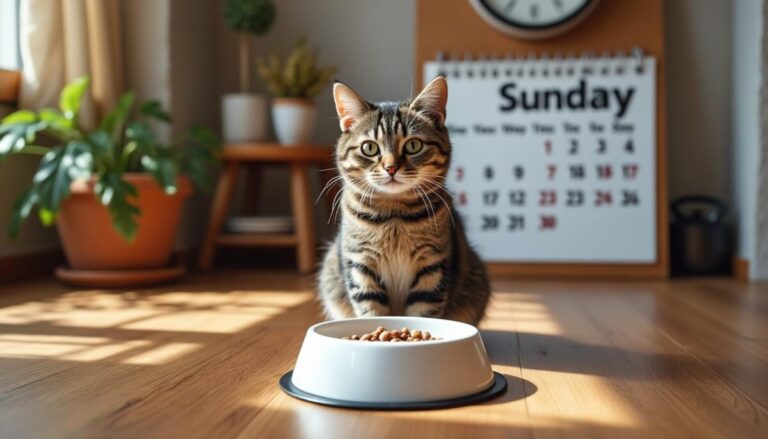

My Cat Won’t Eat Anymore: 5 Common Mistakes
Hi, it’s Judith. If your cat has stopped eating, don’t force them to eat, and contact a veterinarian if they haven’t eaten anything for 24 hours, or sooner if they seem unwell.
Refusing food can be caused by stress or a change in food, but also by pain or illness. Some common mistakes can waste precious time: it’s better to watch for signs and act promptly.
What to do
- Note the time of their last proper meal and how much they ate.
- Check the water and food bowl: cleanliness, freshness of the food, and a quiet location.
- Watch their behavior: vomiting, diarrhea, drooling, tiredness, or a tendency to hide.
- Offer a small portion of slightly warmed wet food, without forcing them to eat.
- Call the veterinarian if they continue to refuse food, and immediately if your cat is very weak, has trouble breathing, or has stopped drinking.
To get a better idea of the possible causes, you can read these guides on often-overlooked causes of appetite loss and the risks of prolonged fasting.
Cat refusing food: 5 common mistakes
When you find an untouched bowl, it’s natural to look for a quick solution. However, some reactions can mask symptoms or delay a visit to the veterinarian.
1. Waiting several days, thinking they’re just a picky eater
A cat may turn down one meal, but going without food for a prolonged period is not something to take lightly. After a full day without eating anything, call your veterinarian for advice; act sooner if your cat is a kitten, elderly, overweight, or already ill.
Fasting can, in particular, contribute to a serious liver condition called hepatic lipidosis, especially in overweight cats. How long they’ve refused food and their overall condition matter more than any supposed “bad mood.”
2. Suddenly changing all of their food
A sudden change in food can unsettle a cat that is attached to their routine. If their appetite decreased after introducing a new dry food, also check that it’s fresh and has been stored properly.
If their condition shows no worrying signs and your veterinarian hasn’t recommended otherwise, a transition to a new food should be gradual, often over 7 to 10 days. But don’t assume the food is the only cause if they continue to refuse it.
3. Offering lots of different foods or forcing them to eat
Offering treats, leftovers, and several new foods in quick succession can make it harder to monitor what’s going on and may sometimes cause digestive problems. Forcing a cat to eat or making them swallow water can also be dangerous, especially if they’re vomiting or having trouble swallowing.
Offer a small amount of a familiar, appealing food, then leave them in peace. Avoid human medications and potentially toxic foods such as onion or garlic.
4. Ignoring stress and their environment
Moving house, renovations, travel, or the arrival of a new pet can disrupt their routine. A food bowl near the litter box, a noisy thoroughfare, or a household appliance may also put them off eating.
Put their food in a quiet place and stick to their usual mealtimes as much as possible. Stress can explain a loss of appetite, but it doesn’t rule out a medical cause.
5. Focusing only on the food bowl and missing other symptoms
A cat who approaches their food and then backs away may have tooth pain or feel nauseated. Bad breath, unusual drooling, vomiting, diarrhea, or weight loss can also provide important clues.
Also monitor how much they drink and their litter box habits. Refusing water, severe weakness, a painful abdomen, or abnormal breathing calls for prompt veterinary care.
When refusing food means your cat needs to see a veterinarian
The threshold depends on their age, health, and symptoms. A cat that has eaten absolutely nothing for 24 hours should be assessed by a professional; a kitten or a medically fragile animal needs advice sooner.
If they’re vomiting repeatedly, are very lethargic, have trouble breathing, or have stopped drinking as well, don’t wait. A food trick is no substitute for a diagnosis.
| What you notice | Recommended response |
|---|---|
| They skipped a meal but are alert and drinking | Check the food and monitor their appetite closely. |
| They haven’t eaten anything for 24 hours | Call the veterinarian to arrange an assessment. |
| They are a kitten, elderly, ill, or overweight | Ask for advice sooner, without waiting for their condition to worsen. |
| They are vomiting, have stopped drinking, or seem very weak | Contact a veterinary service promptly. |
A 3-step plan
- Take stock: note how long they’ve been eating less, what they’ve eaten, and whether they’re drinking or using their litter box.
- Observe without upsetting them: check their energy, stools, and any signs of pain, without forcing them to swallow anything.
- Contact the veterinarian: describe the changes and follow their recommendations, especially if the refusal continues or is accompanied by other symptoms.
For example, if a cat stops eating after a move but remains alert, a quiet spot may help them settle in. If their appetite doesn’t return or another sign appears, look for a health-related cause rather than trying one thing after another at home.
Frequently asked questions about loss of appetite in cats
How long should I wait before calling the veterinarian?
If your cat has eaten absolutely nothing for 24 hours, contact a veterinarian. Call sooner for a kitten, a medically fragile animal, or if other symptoms appear.
Can I warm up their wet food to encourage them to eat?
You can offer a small portion that’s been warmed slightly to enhance its aroma, as long as it isn’t hot. This may help occasionally, but it doesn’t replace veterinary advice if they continue to refuse food.
Could a change in food explain why they’re refusing to eat?
Yes, a sudden change may put a cat off their food. However, if the refusal continues or is accompanied by unusual signs, don’t assume it’s just the food: ask a veterinarian for advice.
What should I do if my cat has stopped eating and drinking?
Call a veterinarian promptly, as not drinking increases the risk of dehydration. Don’t force them to drink, especially if they’re vomiting or seem to have trouble swallowing.
Take good care of your companion, and feel free to share what you’ve noticed in the comments. — Judith