
Animal First Aid: 7 Mistakes Beginners Make
Hi, it’s Judith.
To avoid pet first aid mistakes, keep your companion safe, don’t give them any medication without veterinary advice, and call a clinic as soon as something worries you.
An injury may seem minor, but the wrong action could make things worse. The right steps often come down to three things: observe, protect, and seek advice.
What to do right away
- Move the animal away from danger and keep them calm.
- Don’t give any human or veterinary medication without professional instructions.
- If there is bleeding, apply gentle pressure with a clean pad.
- Note the time, symptoms, and any product the animal may have swallowed.
- Call a veterinarian if the injury is deep, their condition worsens, or you’re unsure.
Beginner mistakes often happen when people rush: trying to clean, bandage, or treat an animal’s injury without knowing what’s appropriate can make it worse. To put together a useful first aid kit, see this dog and cat first aid guide and these tips for taking the right steps in the right order.
Seven pet first aid mistakes to avoid
When an animal is in pain, simple actions are often the safest. Here are seven common pitfalls and what to do instead.
1. Giving medication without veterinary advice
A painkiller intended for humans can be toxic to a dog or cat. Even a medication already prescribed for another animal may not be appropriate: the species, weight, and health condition all affect what to do.
Don’t give anything without veterinary instructions. If your companion has swallowed dangerous medication, call a clinic immediately and keep the packaging close at hand.
2. Guessing the dose instead of weighing the animal
Estimating weight “by eye” can lead to an incorrect dose. A kitten, an older animal, or an unwell companion may also need special precautions.
Don’t work out a dosage yourself: weigh the animal if your veterinarian asks you to, then follow their prescription exactly. If you’re unsure about a dose that has already been given, call before the next dose.
3. Stopping or changing treatment as soon as the animal feels better
Improvement doesn’t always mean the problem is resolved. Stopping or extending treatment without advice can cause a relapse or side effects.
Follow the prescribed treatment duration and contact your veterinarian if you notice vomiting, diarrhea, unusual tiredness, or a change in behavior. A tracking app can help you record doses and symptoms, but it doesn’t replace veterinary advice.
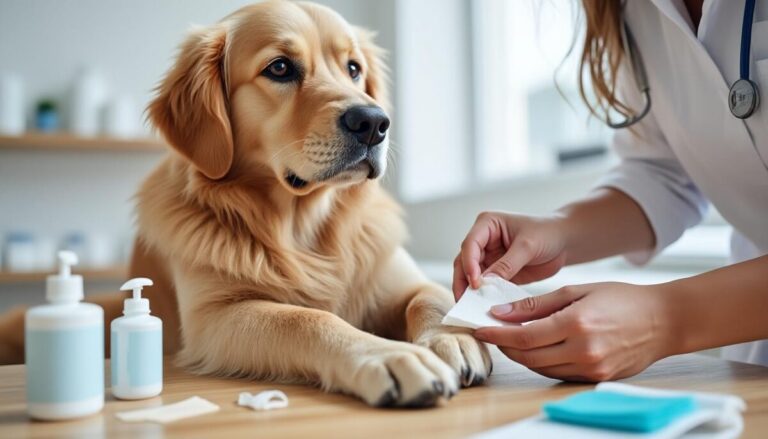
4. Disinfecting a wound with an unsuitable product
Alcohol, hydrogen peroxide, and some household disinfectants can irritate tissue or be dangerous if the animal licks them. A deep injury, a bite, or a wound near the eye calls for veterinary advice rather than improvised cleaning.
If the wound is superficial, ask your veterinarian which product to use and how to apply it. Don’t put cotton into the wound: its fibers can get stuck there.
5. Applying a bandage too tightly
A poorly applied bandage can restrict circulation or hide a worsening condition. Swelling, coolness, or a change in color in the toes or extremities are signs to take seriously.
For bleeding, hold a clean pad in place with gentle pressure while you call the clinic. Don’t tightly wrap a limb or try to put a bone or joint back in place.
6. Waiting despite signs of an emergency
Difficulty breathing, loss of consciousness, a seizure, heavy bleeding, or swallowing a toxic substance require a quick response. In cats, repeated attempts to urinate with no result also warrant an urgent call.
Don’t try to make your animal vomit or give them food or a home remedy without instructions. Describe the signs to your veterinarian: they can tell you what to do and how soon your animal needs to be seen.
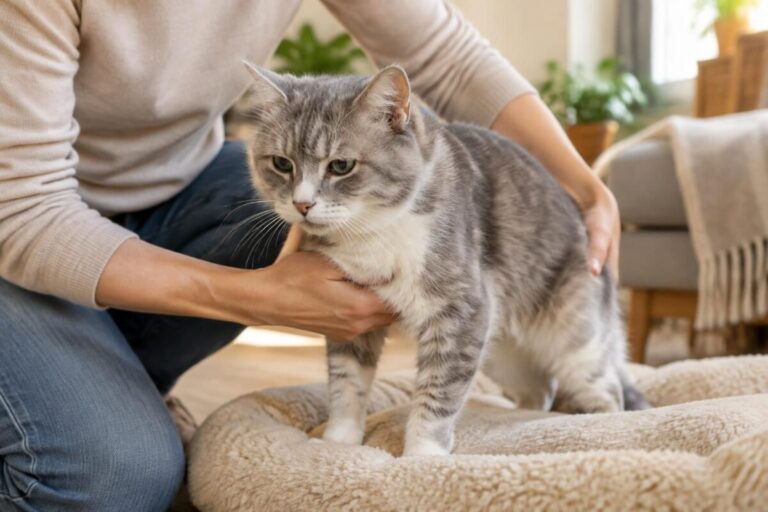
7. Transporting the animal without securing them
An animal in pain may panic or react suddenly, even if they’re usually calm. Carrying them without supporting them or letting them move freely in a car increases the risk of a fall and can make an injury worse.
Use a suitable carrier for a cat or small animal. For an injured dog, limit their movement and ask the clinic how to move them; if there has been significant trauma, avoid handling them unnecessarily.
The right steps for different situations
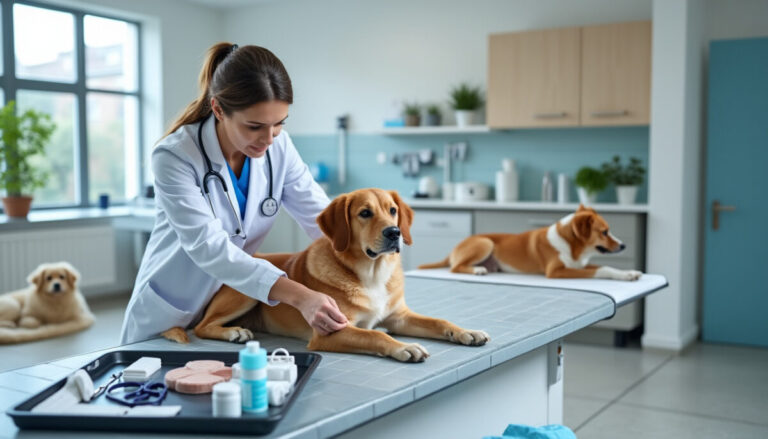
A first aid kit doesn’t replace a consultation, but it can help protect the animal while you wait for instructions. Keep it somewhere accessible and check its contents regularly.
| Situation | What to do | What to avoid |
|---|---|---|
| Small, superficial wound | Prevent licking and ask what cleaning method is appropriate. | Pouring on an irritating product or scraping the wound. |
| Bleeding | Apply a clean pad with gentle pressure and call the clinic. | Removing an embedded object or tightly wrapping a limb. |
| Suspected poisoning | Keep the packaging and call the veterinarian immediately. | Making the animal vomit or waiting for symptoms to appear. |
| Weak or injured animal | Keep them calm and arrange safe transport. | Forcing them to walk or handling them repeatedly. |
A three-step process for responding without improvising
- Make things safe. Move the animal away from danger, limit their movement, and protect yourself if their pain makes them unpredictable.
- Observe and call. Note the symptoms, when they started, and the circumstances; contact a veterinarian or emergency veterinary clinic if the signs are serious.
- Follow only the instructions you receive. Prepare the carrier or transport equipment and follow the clinic’s directions until your animal is seen.
If you’re unsure, it’s better to call than to handle your animal repeatedly. A well-stocked first aid kit, a few notes about your animal’s condition, and safe transport make it easier to get help.
Frequently asked questions about pet first aid
What products should I use to disinfect a wound?
Ask a veterinarian for advice before applying any product. Alcohol, hydrogen peroxide, and some disinfectants can irritate tissue or be dangerous if the animal licks them.
Can I give my animal a human painkiller?
No, not without veterinary instructions. Some common human medications are toxic to animals; if your animal swallows any, call a clinic promptly.
When should I contact an emergency veterinary clinic?
Call right away in case of difficulty breathing, loss of consciousness, a seizure, heavy bleeding, suspected ingestion of a toxic substance, or rapid deterioration.
What should I put in a pet first aid kit?
Include sterile pads, suitable support materials, and your clinic’s contact details. Ask your veterinarian which products are appropriate for your animal and how to use them.
Thanks for reading, Judith. If this topic resonates with you, please feel free to leave me a comment at the bottom of the article.