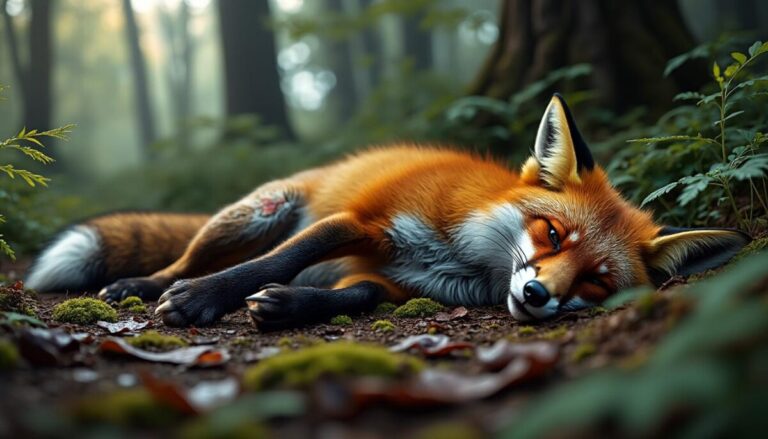

Garden wildlife: this apparent abandonment fools many
Hello, Judith here.
A young animal alone in the garden is not necessarily abandoned. A fledgling on the ground may be learning to fly while its parents stay close by; a doe regularly leaves her fawn hidden while she searches for food. In these situations, stepping in too quickly can do more harm than good.
The right thing to do is observe from a distance and check whether there is any real danger. This false impression of abandonment is common: understanding animal behaviour helps protect garden wildlife without disturbing it.
Three ways to spot a false abandonment
- A young animal alone is not necessarily in distress. Its parents may temporarily move away to avoid drawing attention to their young.
- A feathered fledgling may normally be on the ground. It is practising flying, and its parents often continue feeding it nearby.
- Not seeing a parent proves nothing. The presence of people may make them wait before returning.
What to do right away if you find an animal alone
- Keep your distance and move children and pets away.
- Watch quietly from indoors or from a discreet spot.
- Look for immediate dangers: a road, cat, lawn mower, hole or predator.
- Do not feed it or give it water.
- Call a wildlife rescue centre if the animal is injured, weak or in immediate danger.
If you want to better understand which visitors deserve protection, also discover these helpful animals that are often wrongly driven away and tips on knowing when a young animal does not need care.
Fledgling, fawn, nest on the ground: what to do in each situation
The right response depends on the species and its condition. A young animal sitting calmly, with no apparent injuries, should generally be left alone; an animal that is bleeding, having trouble breathing or seems unable to move needs expert advice.
| Situation observed | Recommended response | What to avoid |
|---|---|---|
| Feathered fledgling on the ground, alert | Keep pets away and observe discreetly. | Automatically putting it back in the nest or taking it away. |
| Very lightly feathered nestling that has fallen from the nest | If the nest can be located and reached safely, ask a wildlife rescue centre for advice before taking action. | Climbing to a dangerous height or improvising a nest. |
| Fawn lying alone in the grass | Move away and keep the area quiet; its mother may return once there are no people around. | Touching it, moving it or staying nearby. |
| Animal injured or exposed to immediate danger | Contact a wildlife rehabilitation centre and follow its instructions. | Feeding it, giving it water or handling it without guidance. |
A nest on the ground does not always mean it has been abandoned: some species naturally nest close to the ground. It is best to note the location, move away and ask for advice if the situation seems concerning.
Mistakes that turn concern into a risk
Picking up an animal “to keep it safe” is an understandable reaction, but it can interrupt parental care and cause significant stress. A doe often stays far from her fawn so as not to attract predators; with a fledgling, the adults may wait until the garden is quiet again.
Touching it does not automatically make its parents abandon it because of human scent. The real problem is more likely to be moving it, handling it repeatedly or disturbing it for too long. When it comes to protecting nature, not intervening is often the best thing to do when the animal appears healthy and is not threatened.
A simple three-step process
- Assess the situation without approaching. Observe the animal’s condition and look for a real danger, without staying close to it.
- Make the surroundings safe. Bring dogs and cats indoors, then pause gardening work in the area.
- Ask for help if needed. If the animal is injured, weak or in immediate danger, contact a wildlife rescue centre and follow its instructions.
This approach gives the parents a chance to return while avoiding unnecessary risks. If in doubt, a wildlife professional can help you decide what to do without handling the animal blindly.
Frequently asked questions about a young animal found in the garden
Is a fledgling on the ground necessarily abandoned?
No. A feathered fledgling may leave the nest before it can fly well. Its parents often stay nearby and continue feeding it. Observe from a distance and keep pets away.
Should you touch a fawn alone in the garden?
No, unless a professional advises you to do so in the face of immediate danger. The mother often leaves her young hidden and returns when she can approach without being disturbed.
Do parents abandon their young after human contact?
Human contact does not automatically mean that the parents will abandon their young. It is still best to avoid handling or moving the animal, as this can cause stress and injury.
When should you call a wildlife rescue centre?
Call if the animal is injured, very weak, in immediate danger or if you are unsure how to make the situation safe. Do not feed it and follow the centre’s instructions.
Thanks for reading, Judith. If this topic resonates with you, please feel free to leave me a comment at the bottom of the article.