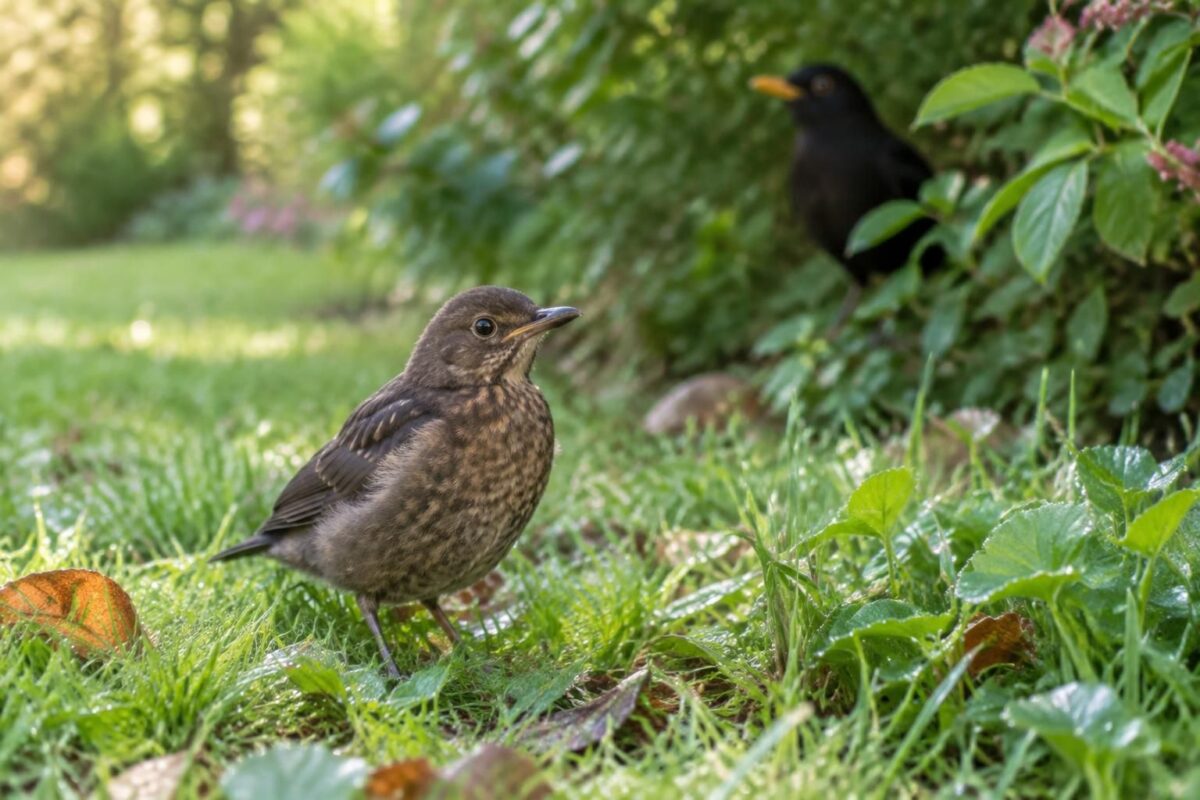
Garden wildlife: when a young animal doesn’t need care
Hi, I’m Judith. A young animal on its own often doesn’t need help: keep your distance and discreetly watch to see if its parents return. A fledgling on the ground or a fawn lying in the grass may simply be waiting for an adult or learning to fend for itself. Take action mainly if it is injured, very weak, cold, or in immediate danger. When it comes to garden wildlife, respecting nature often starts with a little patience.
What to do right away
- Keep a good distance and watch quietly.
- Keep dogs away and keep your cat indoors.
- Don’t give it food or water: an unsuitable diet can harm it.
- Look for injuries, signs of cold or weakness, or a nearby danger.
- If you have serious concerns, call a wildlife rehabilitation center or a veterinarian.
To help without getting too involved, discover these simple ways to respect animals’ independence and learn when to keep your distance.
Why a young animal may seem abandoned
Many species leave their young alone while the parents look for food. An adult may also wait until you move away before returning: sometimes your presence alone is enough to keep it away.
A young bird with feathers that hops or flaps its wings is often learning to fly. A fawn lying still and alone in the grass may also be behaving naturally: its mother will usually return when the area is quiet.
An animal on its own is not necessarily abandoned. Watching from a distance helps avoid stressing it or separating it from its parents.
Signs that can help you decide whether to intervene
First, check its condition and surroundings. A visible injury, bleeding, difficulty breathing, or an animal caught in a trap calls for prompt professional advice.
By contrast, an alert, calm young animal in a safe spot may need time rather than care. Don’t move it just because it is alone or because you can’t see its parents.
| Situation observed | What you can do |
|---|---|
| Feathered fledgling hopping around | Keep pets away and watch from a distance: the adults may still be feeding it. |
| Fawn lying alone, with no apparent injuries | Don’t touch it. Leave the area and come back later to observe from a distance. |
| Young animal that is injured, very weak, or cold | Call a wildlife rehabilitation center or a veterinarian before handling it. |
| Young animal exposed to immediate danger | First remove the danger if you can do so without touching the animal, then ask a professional for advice. |
What to do in three steps if you find a young animal
- Step 1: observe without approaching. From a window or a distant spot, check whether it is moving normally and whether it is in danger. Leave the area undisturbed for a while.
- Step 2: make the surroundings safe. Keep dogs and cats away. If the young animal is in a dangerous spot, ask for advice before moving it, as the right approach varies by species.
- Step 3: ask for advice if needed. Describe the animal, its condition, and where you found it to a rehabilitation center or veterinarian. Don’t try to feed or raise it yourself.
If it’s a feathered fledgling… it may be learning to fly: let its parents look after it and protect it from pets.
If it’s a calm, uninjured fawn… move away without touching it. Picking it up or moving it can stress it and make it harder for its mother to return.
A welcoming garden helps young animals without getting close
The best way to help is often to prepare before the young are born. A varied hedge, quiet areas, and natural shelters make nesting easier and provide refuge for many species.
Also leave a patch of leaves or dead wood, avoid pesticides, and maintain a shallow water source with a stone so insects can climb out. These features support garden wildlife without turning every discovery into an intervention.
In spring, a young animal may seem vulnerable when it is simply following its natural routine. Patience, distance, and advice from a specialist if you notice anything concerning are often the best care.
Frequently asked questions about young garden animals
Should a fledgling that has fallen from the nest always be put back in?
No. A feathered fledgling that is hopping around is often learning to fly, and its parents may still be feeding it. If it has few feathers or is injured, ask a rehabilitation center for advice before taking action.
Will a fawn’s mother return if someone approaches it?
She may wait until the area is quiet before returning. Move away, keep dogs away, and don’t touch the fawn. If you see an injury or marked weakness, contact a professional.
Should you give water or milk to a young wild animal?
No, not without instructions from a specialist. Unsuitable food or hydration can be dangerous for it.
When should you contact a rehabilitation center?
Call if the animal is bleeding, appears injured, is very weak or cold, has difficulty breathing, or remains exposed to immediate danger. Follow the center’s instructions before handling it.
Thank you for your interest; Judith. I’d be grateful if you left me a comment at the end of the article. Thanks, everyone.