Garden wildlife: should you touch or keep your distance
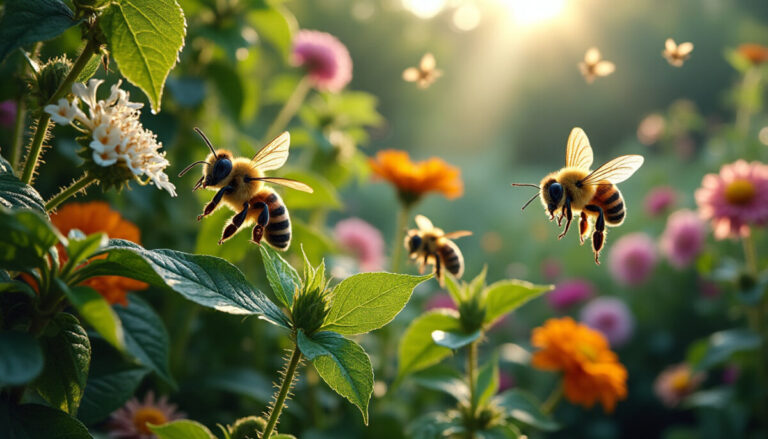
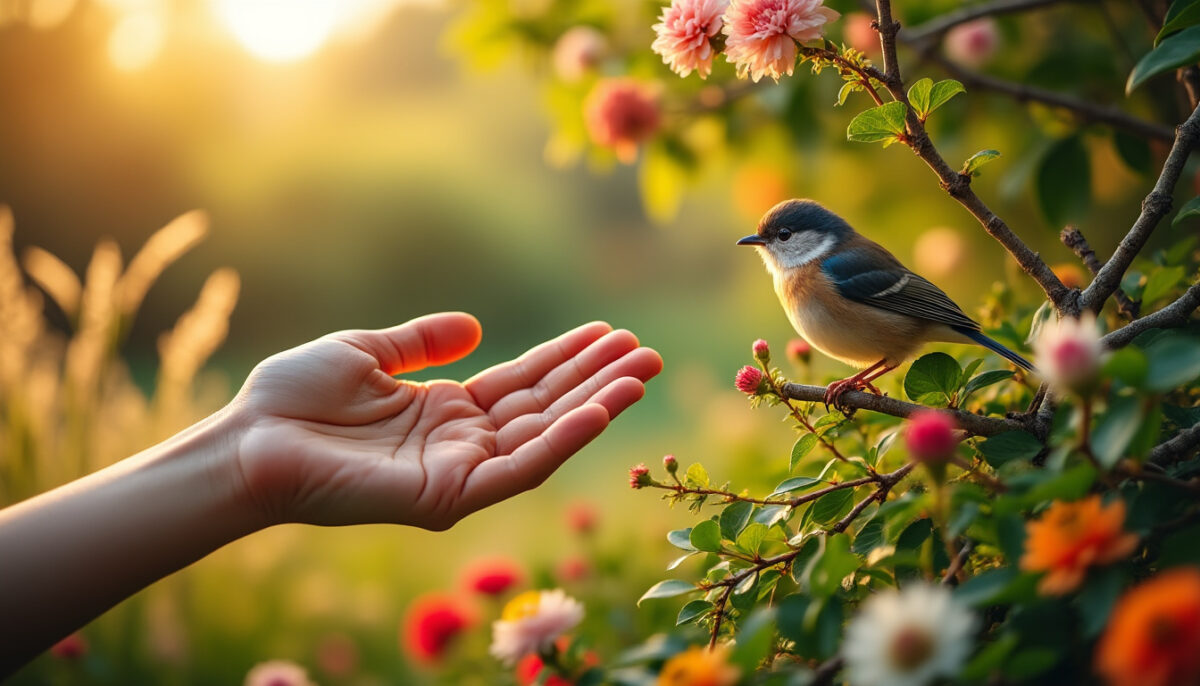
Hi, this is Judith. For garden wildlife, it’s best to keep your distance and not touch the animals. This preserves their safety and their habitat, while respecting their natural behavior. The key is to foster a welcoming garden where wildlife moves freely, without direct intervention.
Things to do right away
- Stop all use of pesticides: protect the insects essential to biodiversity.
- Install natural shelters (wood piles, hedges) so wildlife can easily find refuge.
- Leave unmowed grassy areas so small animals have food and hiding places.
- Plant local species that adapt to the climate and feed native wildlife.
- Create a simple water source such as a small pond or a shallow basin.
These small actions can be put in place right away, without radically transforming your garden. You can learn to adapt your garden to the local wildlife while continuing a wildlife-friendly gardening that benefits everyone.
Why keep your distance from garden wildlife?
Touching or handling wild wildlife can cause more harm than good. The stress inflicted on the animals, disruption of life cycles, and risk of injuries are high. In many cases, an immobilized or frozen animal does not mean it is injured: it is often a defensive behavior. It is safer to observe without intervening and to contact a specialist if in doubt.
Some think they are doing well by moving animals or feeding them, but these actions modify their behavior, expose them to new dangers and disturb ecological balance. For example, a hedgehog moved away from its shelter risks not finding food or shelter. The best reflex is to learn to identify wildlife, its needs, and to coexist without intrusion.
How to design your garden to protect discreet wildlife without disturbing it?
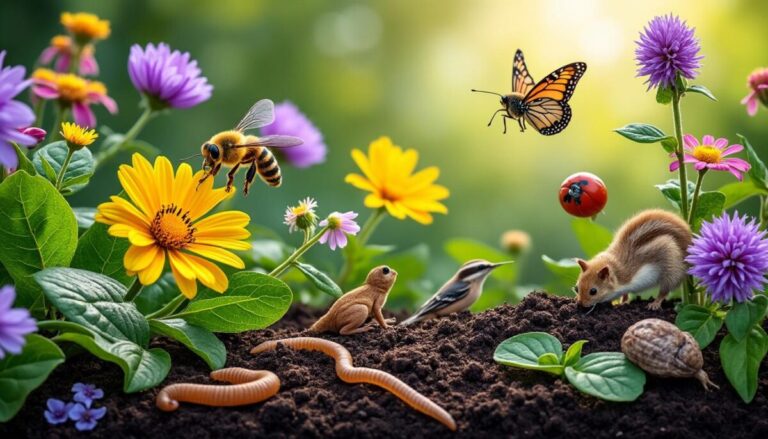
A garden favorable to biodiversity is above all a garden that respects natural habitats. It would be enough to preserve or create micro-habitats such as wetlands, dense hedges, piles of wood, and to limit aggressive practices (too frequent mowing, chemical products). A slightly wild land welcomes many more local species.
We should also think about limiting nocturnal light pollution so as not to disturb nocturnal wildlife, including pollinators and bats. Finally, gentle maintenance encourages the natural movement of animals without disrupting their ecosystem.
List of good practices to adopt starting today
- Observe animals from a distance without trying to touch them.
- Install suitable nest boxes and insect hotels to offer safe refuges.
- Never feed wild wildlife, especially nocturnal mammals, to avoid dependence.
- Leave unmowed or grassy areas to offer hides and natural resources.
- Avoid nets and traps that can injure wildlife.
Three simple steps for a wildlife-friendly garden
- Step 1 : Observe your garden at different times to identify the species present and their shelters.
- Step 2 : Create natural refuges (wood piles, hedges, ponds, grassy areas) while respecting local needs.
- Step 3 : Limit or stop the use of pesticides and reduce mowing frequency to favor natural cycles.
If your garden is small, focus on local plants that attract pollinators and small helpers. If you have a larger plot, designate areas to preserve ecological continuity, thus promoting better conservation.
Table of risks to avoid and tailored solutions for garden wildlife
| Risk factor | Impact on garden wildlife | Solutions to adopt |
|---|---|---|
| Pesticide use | Decrease in pollinators, disruption of food chains | Prefer natural methods, install refuges for beneficial insects |
| Excessive mowing | Destruction of habitats and hiding places, reduction of available food | Leave unmowed grassy areas, practice late mowing |
| Nocturnal light pollution | Disturbance to insects and nocturnal animals, change in behavior | Reduce lighting, use warm-spectrum lights and motion detectors |
| Introduction of non-local species | Competition and disappearance of native species | Plant only native species, eradicate invasives |
Adopt responsible behavior toward garden wildlife
Observing without touching respects the natural cycle and reduces animal stress. Keeping safe distances prevents conflicts and avoids disturbing animal behavior. Avoiding feeding or moving the animals protects their autonomy and health. Conservation also involves avoiding excessive intervention.
Participating in civic actions, such as the LPO Refuges program, helps strengthen local protection. The garden becomes a link in regional biodiversity through these shared efforts. It is by combining these actions that garden wildlife thrives sustainably.
Frequently asked questions about garden wildlife and its interactions
Should you always keep your distance from a wounded animal?
Yes, it is best not to touch a wounded animal. Observe it for a few minutes and contact a specialized center to avoid causing it more stress or additional injuries.
Is it useful to install nest boxes for local wildlife?
Absolutely. Nest boxes provide a precious refuge for birds and bats, especially in urban areas or modern gardens where hollow trees are lacking.
How to foster wildlife circulation in my garden?
To facilitate movement, create corridors with diversified hedges and other natural structures, avoiding sealed fences and promoting 13×13 cm passages for small mammals.
What to do with dead leaves in the garden?
Leave some dead leaves in a corner of the garden to provide habitat for insects and small animals that use them to hibernate and feed. It’s a simple practice that protects garden wildlife.
Should we continue mowing regularly to not disturb wildlife?
It is recommended to adopt differentiated mowing with areas left in tall grasses. This helps preserve habitats while keeping usable spaces.
Thank you for your interest; Judith. It would be kind to leave me a comment at the end of the article, thanks to all