My cat has stopped eating and is sleeping: alert
Hi, it’s Judith. If your cat has stopped eating and is sleeping a lot, it’s a warning sign that shouldn’t be ignored: you need to act quickly by consulting a veterinarian. This behavior could be a sign of a serious illness that requires prompt diagnosis to avoid serious complications.
To do immediately
- Observe if your cat shows any other signs (thinness, weakness, difficulty moving).
- Offer him slightly warmed wet food to stimulate his sense of smell.
- Create a calm environment, away from noise and other animals.
- Check the condition of her mouth (gums, teeth) to detect any possible pain.
- Immediate veterinary consultation is required if fasting exceeds 24 hours.
Understanding why your cat has stopped eating and is sleeping abnormally is essential for preserving its health. A persistent loss of appetite can signal a serious illness such as an infection, a dental problem, or significant stress. Generally, a cat does not tolerate going more than 48 hours without food very well, which can lead to a liver overload known as lipidosis. Discover the common causes of this loss of appetite. and how to act. To learn more, also consult veterinary advice for appropriate care.
Why doesn’t your cat want to eat anymore?
Cats are sensitive animals: pain, stress, or illness can drastically alter their behavior. Often, this is a symptom of an underlying condition that needs to be identified quickly to prevent it from worsening. Dental pain is a frequent culprit; even the slightest gingivitis or broken tooth prevents them from chewing, and the cat will refuse to eat. Sometimes, it’s a digestive disorder or a chronic illness such as kidney failure or diabetes. Stress, due to a sudden change in environment or the arrival of another animal, can also suppress appetite and increase fatigue.
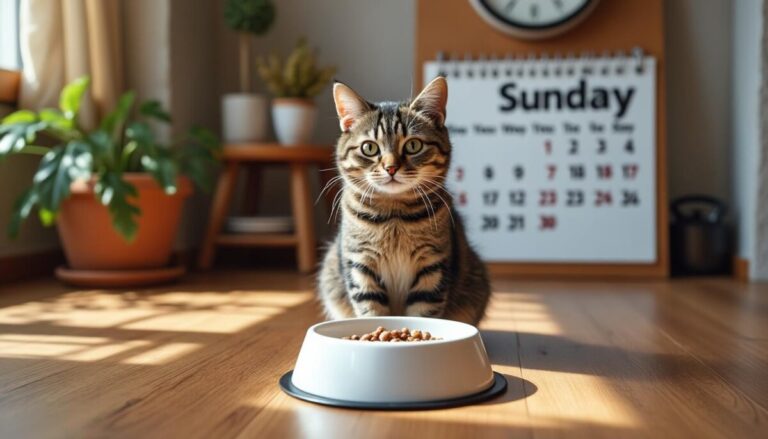
A cat that smells its food but does not eat is often suffering; it is a strong signal that should not be ignored. The main risk: fasting that triggers hepatic lipidosis, a serious liver condition that often appears between 48 and 72 hours without food.
Warning signs to watch for
- Bowl full for several meals in a row.
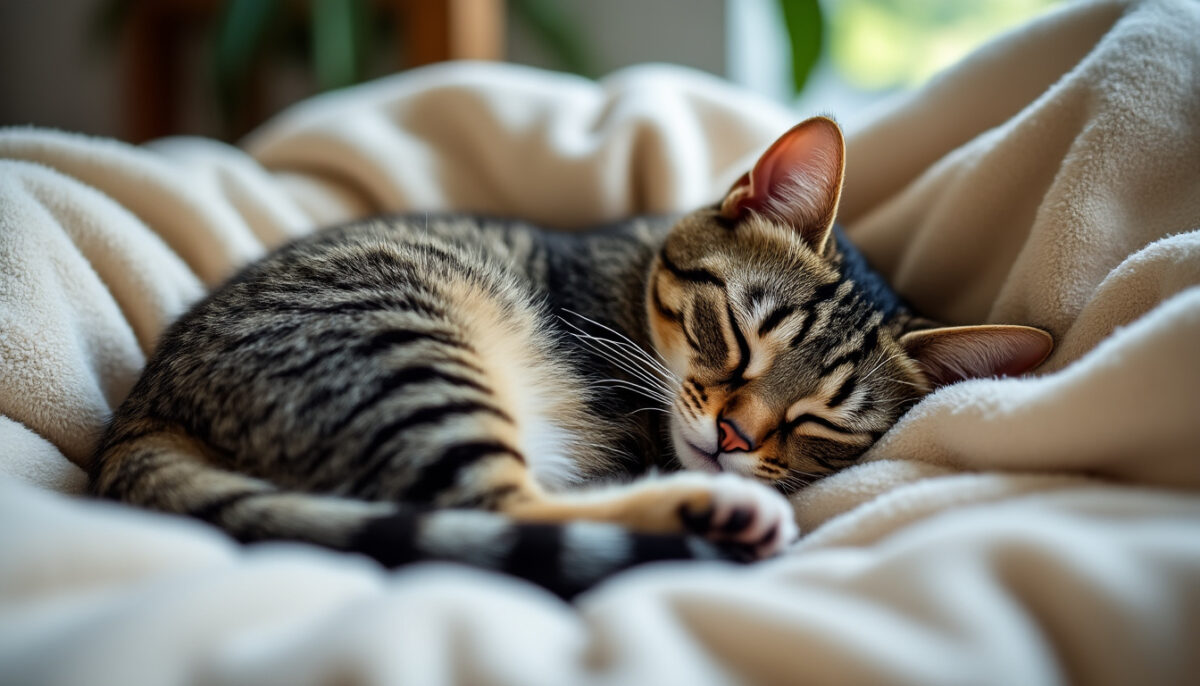
- Excessive sleep and unusual lethargy.
- Rapid weight loss, even a loss of more than 10% of weight.
- Yellowing of the mucous membranes (gums, eyes).
- Change in behavior: restlessness, hiding.
How to act quickly and effectively?
A cat that stops eating and sleeps excessively should see a veterinarian immediately if this lasts more than a day, especially if it is showing other worrying symptoms. In the meantime, a few things can help stimulate its appetite:
- STEP 1: Offers appetizing moist foods, warmed between 20-35°C, to enhance the smells and awaken interest.
- STEP 2: Divide the cat’s meals into smaller portions and isolate the cat in a quiet place, away from noise and competition from other animals.
- STEP 3: Monitor its mouth for dental problems, and be prepared for a quick and thorough veterinary examination.
A common mistake to avoid
Forcing a cat to eat with a syringe or using invasive feeding methods without supervision can increase its stress and worsen its refusal to eat. Always prioritize gentle solutions while waiting for a consultation for an accurate diagnosis.
Depending on the cause, your veterinarian can advise you on:
- Therapeutic foods specially formulated for convalescent cats.
- Nutritional supplements rich in vitamins and energy to support the tired body.
- Products that promote digestive comfort and reduce nausea and pain.
Summary table: causes, symptoms, and solutions for a cat that stops eating and sleeps excessively
| Main cause | Associated symptoms | Recommended actions |
|---|---|---|
| Oral pain | Refusal to eat, drooling, difficulty chewing | Mouth check, veterinary treatment |
| Stress or change of environment | Lethargy, isolation, rejection of old food | Stable routine, pheromones, palatable food |
| Chronic illness (infection, kidney failure) | Fatigue, weight loss, vomiting | Urgent consultation, thorough examinations |
| Side effect of medications | Loss of appetite without symptoms due to illness | Speak to the veterinarian to adjust treatment |
If it’s a senior cat…
An older cat may lose its appetite due to sensory impairment or joint pain. Adapting its food by making it more fragrant and easier to eat can make a big difference. Also, monitor the condition of its teeth and its mobility to prevent it from becoming tired at every meal.
If your cat remains stressed…
Stress is often underestimated. Moving house, a new pet, or even a prolonged absence of its owner can be a trigger. Give your pet time, create a quiet space, and don’t hesitate to ask your veterinarian for advice on calming supplements.
To delve deeper into the subject, also discover Some practical solutions in case of loss of appetite and a guide to understanding this behavior in cats.
How long can a cat go without eating?
In general, a cat should not go more than 24 to 48 hours without eating as this can cause serious complications such as hepatic lipidosis.
My cat is no longer eating but is drinking, is that enough?
Drinking is not enough: even if he is hydrated, not eating remains very dangerous and should prompt a visit to the veterinarian.
What should I do if my cat seems stressed and has stopped eating?
Create a calm environment, maintain a stable routine, and offer a stimulating diet. The veterinarian can prescribe aids to reduce stress.
How to stimulate the appetite of a sick cat?
Gently warming their food, dividing meals into smaller portions, and providing them with a quiet space are simple gestures that can make a difference.
When should you seek emergency medical attention?
At the slightest doubt, especially if the cat is lethargic, losing weight or has not eaten for more than a day, a quick consultation is essential.
Thank you for your interest, Judith. It would be kind of you to leave a comment at the end of the article. Thank you all.