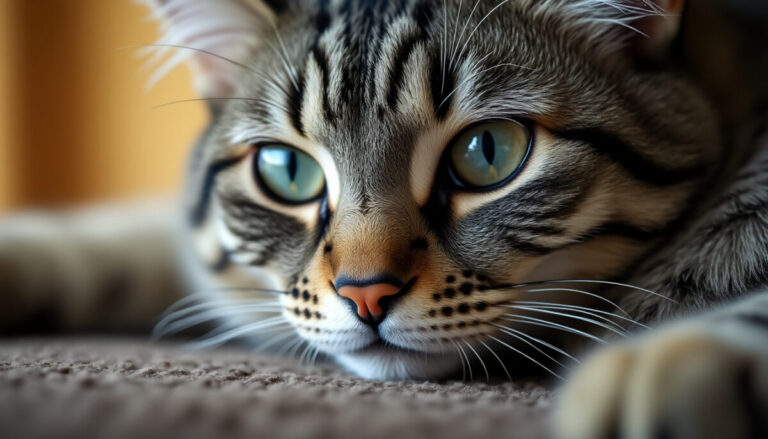

Cats: this dairy product may or may not be suitable depending on the case
Hi, it’s Judith. Giving milk to a cat? Yes, but only a special milk, low in lactose, and never in large quantities. Not all cats can digest regular cow’s milk, which is often a source of digestive problems. So you have to be very careful about what you give them to ensure their comfort and health. Veterinary opinion It is clear: conventional cow’s milk is often discouraged. To better understand the limitations and alternatives, discover the dairy products suitable.
To do immediately
- Test your cat’s tolerance with a small teaspoon of lactose-free milk.
- Offers only dairy products specially formulated for cats.
- Avoid flavored, sweetened or chocolate milks, which are toxic.
- Never replace water with milk; a cat’s hydration comes from fresh water.
- Always observe reactions within 24 hours of ingestion and stop if diarrhea or vomiting occurs.
Why cow’s milk is often not a good idea for cats
Cow’s milk contains lactose, a sugar that requires a specific enzyme, lactase, to be digested. Most adult cats experience a decrease in lactase production after weaning. Without this enzyme, undigested lactose will ferment in their intestines, causing diarrhea, stomach aches, and even vomiting. Some cats tolerate it a little, others not at all; it really varies from cat to cat.
In predisposed cats, regularly consuming full-fat milk can even lead to pancreatic problems. Furthermore, some commercial milks contain additives that worsen these reactions. Therefore, it’s not simply a treat, but a factor to monitor for the cat health.
Practical case:
If it’s an orphaned kitten, you absolutely need a Special formula milk for kittens adapted to its needs, never cow’s milk. If it’s an adult cat and you want to treat it, choose a milk lactose free and give in small quantities, carefully monitoring its reaction.
Which dairy alternatives are safe for your cat?
| Type of milk | Contains lactose | Digestive risk | Recommendation |
|---|---|---|---|
| Whole cow’s milk | Pupil | Medium to high | Avoid in most adult cats |
| Skimmed milk | Pupil | Medium to high | No significant advantage |
| Lactose-free milk (special for cats) | Almost zero | Weak | A good alternative in small quantities |
| Kitten formula | Weak | Essential for orphaned kittens | |
| Plant-based milks (almond, soy, oat) | Variable | Often poorly tolerated | Generally not recommended |
| Raw milk | Pupil | Risk of infection and digestive issues | Absolutely avoid |
You see, the best choice is still kitten formula if you have to feed an abandoned kitten. For older cats, the specially formulated lactose-free milks are among the safest options, but always in small doses.
3 steps to safely give milk to your cat
- Step 1: Choose a lactose-free milk specially formulated for cats.
- Step 2: Give him a small amount, about a teaspoon to start with, and observe for the next 24 hours.
- Step 3: Slightly increase the amount if no adverse reaction (diarrhea, vomiting) occurs. Reserve milk for occasional treats.
A cat that regularly eats cow’s milk is at risk of developing chronic digestive problems. A word of advice: neither water nor food should be replaced with milk, even diluted. This helps prevent recurring mistakes often seen in veterinary consultations.
Recognizing and responding to lactose intolerance in cats
The classic signs of lactose intolerance appear within 6 to 24 hours of ingestion: diarrhea, loose stools, flatulence, sometimes vomiting, and fatigue. As soon as you observe these symptoms, you must stop giving milk and offer water instead. If the symptoms persist or worsen, consulting a veterinarian is essential.
Caution: Never test foods on sick or very young kittens without professional advice, as their digestive systems are more fragile. This helps prevent severe food allergies or unnecessary complications.
What should you do if your cat has drunk milk and has diarrhea?
Stop giving your cat milk immediately and make sure they always have access to fresh water. Monitor their overall condition: if the diarrhea clears up in a day or two and the cat remains active, it’s usually temporary. However, if they vomit repeatedly, show signs of dehydration, or become lethargic, you should see a veterinarian without delay.
- Never give flavored or chocolate milk, it is very toxic.
- Never replace water with milk, especially in older cats or those with kidney failure.
- Opt for a rich and balanced diet rather than a dairy intake.
A friend told me that one of his cats loved milk, but every time, it ended up with diarrhea. After stopping, there were no more problems. Observation is key!
Can a kitten drink cow’s milk?
No. Cow’s milk does not meet the specific nutritional needs of kittens; a suitable formula milk is absolutely necessary.
Is lactose-free milk safe for an adult cat?
In general, yes, it is a more easily digestible alternative, but it should not be overused and products with harmful additives should be avoided.
Why does my cat like milk despite the risks?
Like us, some cats enjoy the taste of milk, even if they subsequently suffer from digestive problems. Moderation remains essential.
What signs indicate lactose intolerance?
Diarrhea, flatulence, vomiting, digestive discomfort generally occurring within 24 hours of consumption.
Can milk be diluted to make it more digestible?
This can help, but the main thing is to limit the quantity and choose a special lactose-free milk rather than regular cow’s milk.
Thank you for your interest, Judith. It would be kind of you to leave a comment at the end of the article. Thank you all.