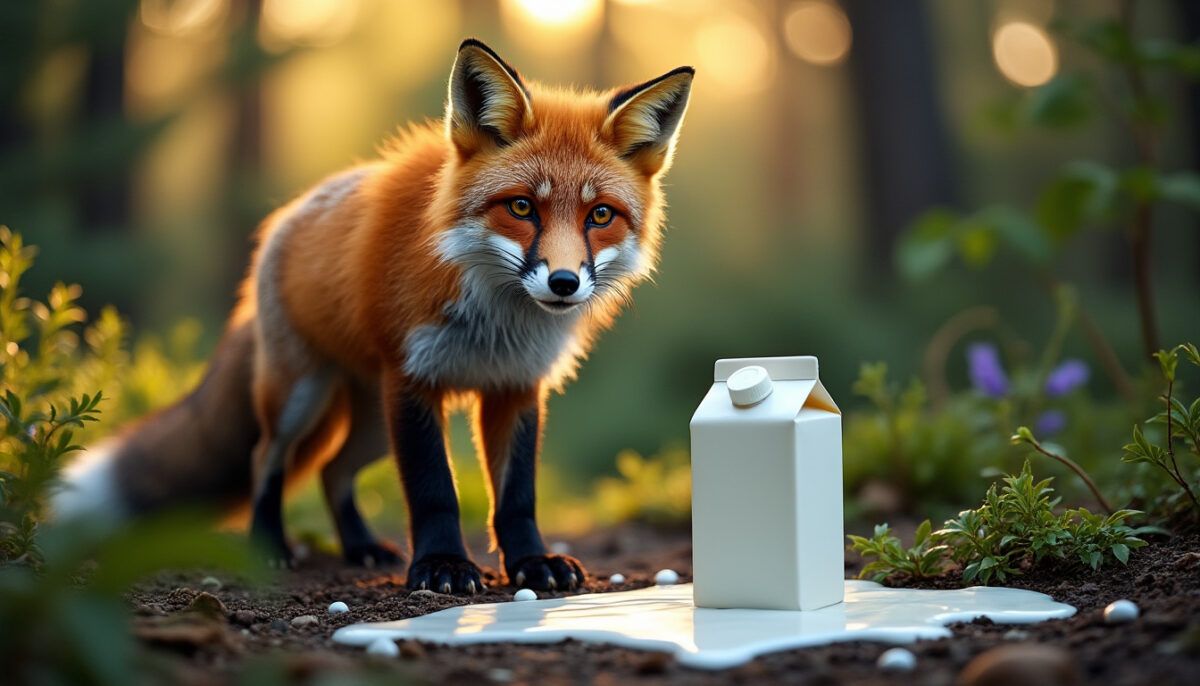
Hi, it’s Judith. As soon as a wild animal is found, the first common mistake is often to try to give it milk, which can be fatal. The real solution? Wait, observe to properly assess its distress, and call a professional before intervening.
To do immediately
- Observe the animal calmly to detect any injury or unusual behavior.
- Do not give milk under any circumstances, as this is a dietary mistake that seriously harms its digestion.
- Place the animal in a safe, quiet, dark place with minimal stress.
- Contact a wildlife rescue center or a veterinarian specializing in wildlife.
- Avoid touching or moving the animal if the situation does not seem urgent.
Before handling a wild animal, it is important to remember that the false identification and the confusion These situations are common, especially in young mammals. For example, a baby rabbit alone in tall grass isn’t necessarily abandoned; it’s classic animal behavior that doesn’t always require human intervention. You can find a lot of useful information on how to react appropriately in this [link/section/etc.]. practical guide on caring for a found animal and other tips in this article on helping wild animals in distress.
Why milk is a common mistake for a found wild animal
Many people think they are doing the right thing by giving milk to a wild animal, especially a young one. However, this reflex is one of the most dangerous. Cow’s milk contains substances that the animal cannot digest, causing diarrhea, dehydration, and potentially death. It is a recurring problemThis occurs due to a lack of knowledge about the specific diet of wild species. Young mammals often require very precise care, a suitable milk, or a substitute recommended by experts.
The most dangerous dietary mistakes among savages
| Error | Consequence | Most affected species |
|---|---|---|
| Give cow’s milk | Diarrhea, dehydration, malnutrition | Small mammals (baby rabbits, hedgehogs) |
| Give them bread or biscuits | Poor digestion, nutritional deficiencies | Young and adult birds |
| Mistaking a wild animal for a domestic animal | Stress, poor care, difficulty of reintroduction | All species |
| Excessive handling | Fatal stress, parental abandonment | |
| Animal behavior ignored, risk to the animal | All species |
Detecting distress in a wild animal: some clear indicators
There premature handling Inappropriate handling of wild animals is common. To act correctly, it is first necessary to ensure that the animal is truly in distress.
- If it’s an adult: A visible injury, an inability to move, or weak behavior are generally a sure sign of danger.
- If it’s a young person: Prolonged absence of the parents, injuries, hypothermia, or the presence of parasites are rarer but real signs. Otherwise, it is often left alone temporarily and must remain where it is.
It is also important to remember that a good animal observation This often helps to avoid confusion between normal behavior and genuine distress. For example, it is not uncommon for young, plucked birds on the ground to appear abandoned while their parents continue to feed them from a distance.
The 3 steps to follow when you find a wild animal in distress
- Step 1: Calmly assess the situation from a distance so as not to stress the animal and secure the area if possible.
- Step 2: Contact a wildlife rescue center or a specialist veterinarian immediately.
- Step 3: If intervention is necessary, protect yourself with gloves, place the animal in a suitable box, with a little heat if the young animal cannot regulate its temperature.
What the law says when you find a wild animal
In France, the legislation is clear: keeping a wild animal by a private individual is prohibited, except in cases where it is handed over to a wildlife rehabilitation center. This rule aims to protect the biodiversity and prevent mistakes that jeopardize the animals’ survival. Before any intervention, gathering information from reliable sources is essential to avoid worsening the situation. To better understand these rules, here is a helpful link that details how to act without endangering the animal or yourself. stray and found animals: what to do
How to support wildlife without making the mistake of milk
It can be tempting to act quickly by giving milk to an animal. However, this common mistake can completely compromise its chances of survival. The essential role is to learn to observe, protect, and above all, guide wild animals towards qualified professionals.
- Always favor a careful observation before any intervention.
- Remember to limit stress by maintaining a calm and dimly lit environment.
- Use gloves and a blanket to limit the risk of transmitting germs.
- Take the animal to a specialized care center as soon as possible.
One last practical tip
Patience often pays off. Sometimes, a young mammal alone is simply waiting for its mother to return. A common mistake is to move it too quickly, which can lead to its permanent abandonment. I’ve seen several cases where an “abandoned” hedgehog is actually recovering with its offspring thanks to simple, discreet monitoring.
Thank you for your interest, Judith. It would be kind of you to leave a comment at the end of the article. Thank you all.
Why should you absolutely not give milk to a wild animal?
Cow’s milk often causes diarrhea and dehydration in young wild animals, which can be fatal. This is a very common feeding mistake that jeopardizes their survival.
How can you tell if a wild animal is truly in distress?
In an adult, distress is visible through injury or weakness. In a child, it’s important to look for prolonged parental absence, injuries, or hypothermia. Otherwise, the best course of action is often to observe and wait.
What should I do if I find a young bird that has fallen from its nest?
You should try to put it back in its original nest or create a replacement nest high up in the same area. The parents will return to feed their chick.
How do you transport a wild animal to the wildlife rehabilitation center?
Use a suitable, well-ventilated box with a gentle heat source for young mammals. Wear gloves to minimize stress and the risk of contamination.