
Pet Care: 3 Simple Habits for a Real Difference
Hello, it’s Judith.
Three habits can improve your pet’s daily life: a suitable diet, fresh water, and regular care.
These simple steps support your pet’s well-being and make it easier to spot changes. Being consistent matters more than having a complicated routine.
Good habits to adopt for pet care
- Refresh the water and make sure your companion can access it easily.
- Choose a balanced diet suited to their species, age, and health.
- Plan physical activity that matches their abilities.
- Include regular grooming and appropriate hygiene practices.
- Note any changes in appetite, behavior, or elimination.
A daily routine makes these steps easier to stick to and helps with prevention. For more guidance, also check out these tips on things you might overlook that can harm hygiene and useful equipment for pet care.
Three habits that support your pet’s well-being
A balanced diet, without sudden changes
The right portion depends in particular on your pet’s species, age, activity level, and health. Follow the recommendations on their food and ask your veterinarian for advice if their weight or appetite changes.
For example, if your dog gets treats during walks, remember to include them in their daily allowance rather than adding them on top every time. Gradual adjustments help avoid disrupting their digestion.
Easy hydration every day
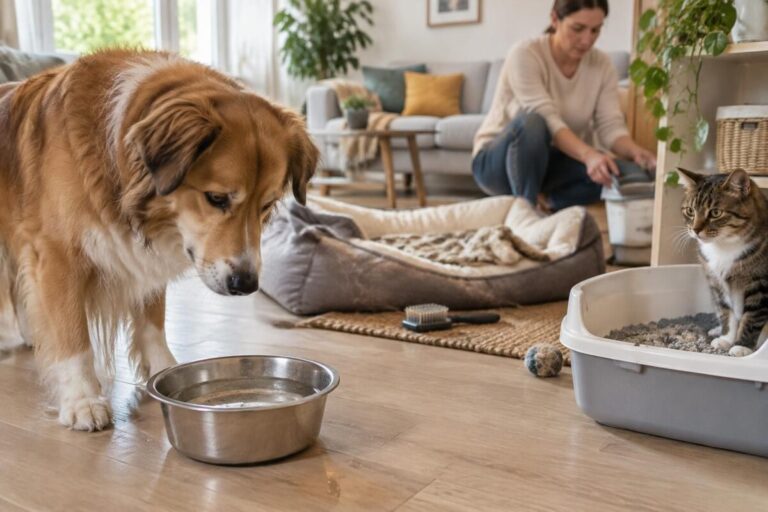
Place a clean bowl somewhere accessible and refresh the water regularly. For a cat that drinks little, offering water in several places may encourage them to drink.
Unusual thirst or a marked decrease in water consumption deserves attention, especially if accompanied by other changes. If so, contact a veterinary clinic.
Exercise and appropriate hygiene
Physical activity contributes to your pet’s physical and mental well-being, but it should be suited to their age and abilities. A relaxed walk, a scent game, or a short play session can already make their day more enriching.
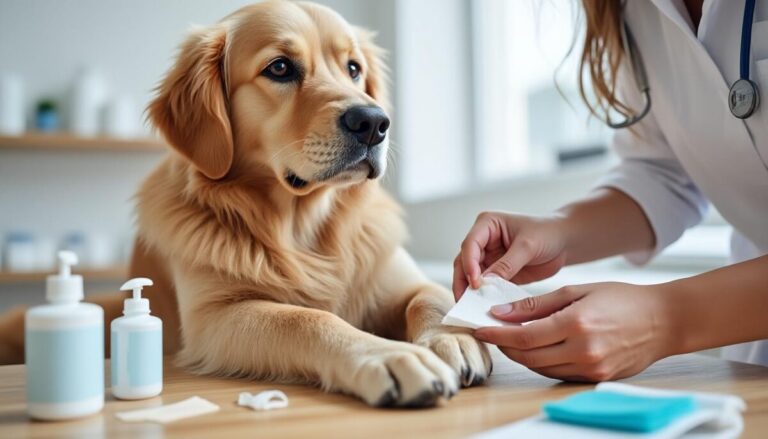
Regular grooming also lets you check your pet’s skin, coat, ears, and claws. It does not replace professional care when a problem arises.
| Habit | Simple step | What to watch for |
|---|---|---|
| Diet | Provide an appropriate portion | Weight and appetite |
| Hydration | Provide clean, accessible water | Changes in thirst |
| Activity and hygiene | Adapt play and grooming | Pain, discomfort, or irritation |
Set up a daily routine in three steps
- Observe. At mealtime, take a few seconds to note their appetite, energy, and usual behavior.
- Take care of them. Refresh the water, clean the bowls, and plan an activity or suitable care.
- Take stock. If a change persists or worries you, ask a veterinarian for advice and keep up with preventive veterinary visits according to your pet’s needs.
This approach helps you spot unusual changes sooner. It does not replace a professional examination, but it does help you monitor your pet more attentively.
Every pet has different needs: a useful routine remains flexible and adjusts to their age, the season, and your veterinarian’s advice.
Frequently asked questions about pet care
How often should you groom your pet?
How often depends on the species, coat type, and its condition. Regular brushing can help, but ask a veterinarian or professional for advice if the skin is irritated or the coat gets matted.
How can you encourage a cat to drink more?
Offer clean water in a quiet place, or in several places if possible. A fountain may suit some cats. If their water consumption changes significantly, contact a veterinarian.
When should you make a veterinary appointment?
Schedule follow-up visits suited to your pet and seek advice promptly if you notice a significant or persistent change, pain, severe fatigue, or loss of appetite.
Take good care of your companion, and feel free to share your observations in the comments. — Judith