Pet care: 5 oversights that quickly ruin hygiene
Hi, it’s Judith.
To quickly maintain your pet’s hygiene, don’t neglect their teeth, ears, claws, accessories, or parasite prevention.
These little care routines can easily take a back seat to walks and meals. Yet a persistent odor, itching, or a dirty bed may signal a problem that deserves attention.
Do this now
- Look at your pet’s teeth and gums.
- Inspect their ears without putting a cotton swab into the ear canal.
- Check their claws and paw pads.
- Wash their bowls and plan to clean their bed.
- Make sure their parasite prevention is appropriate for their species.
A simple routine helps you spot changes early: a sticky coat, bad breath, repeated scratching, or avoiding their bed. For advice on choosing suitable care practices, see these tips on daily hygiene for dogs and cats and these pointers on how to detect neglected hygiene.
5 things people forget that undermine pet hygiene
The trap is thinking that a pet who looks clean doesn’t need any checks. Some signs hide in the ears, under tangles, or at the bottom of the bed; it’s better to keep an eye out rather than wait for discomfort to set in.
1. Forgetting dental care
Strong-smelling breath or yellow deposits near the gums are not minor details. Plaque can contribute to pain, inflammation, and difficulty eating. Regular kibble is no substitute for brushing.
Introduce regular brushing with a soft toothbrush and toothpaste made for pets. Start with a few seconds, reward your pet, then gradually increase the time. If their gums bleed or tartar has already built up, ask your veterinarian for advice.
2. Cleaning ears too rarely or too vigorously
Red, painful, smelly ears or ears filled with dark wax may indicate irritation or infection. Frequent head shaking is also a sign to take seriously.
Ear cleaning should be gentle and appropriate: use only a product recommended for your pet, and don’t try to clean deep inside the ear canal. If there is pain or an unusual odor, an appointment is preferable to repeated cleaning.
3. Neglecting claws and paws
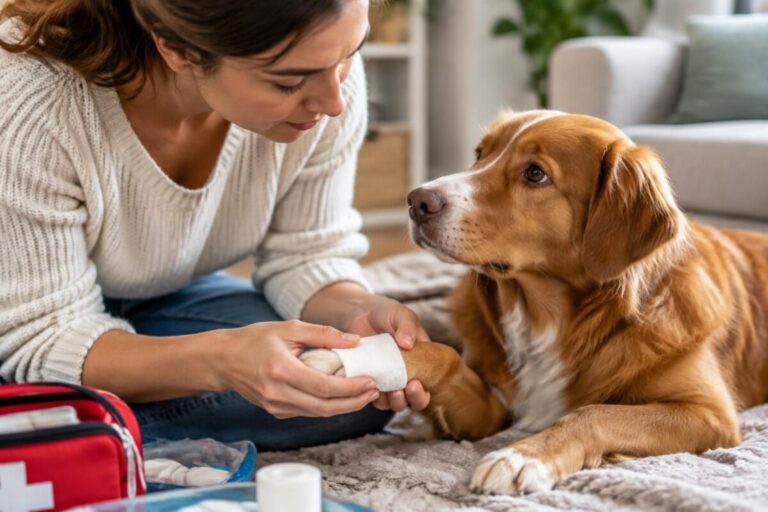
Overgrown claws can make walking difficult and change the way your pet bears weight. After a walk, dried mud between the toes or cracked paw pads can also cause discomfort.
Claw care depends on the animal and their activity level. Check their length regularly; if you’re unsure where to trim, ask a veterinarian or groomer to show you how. After outings, check their paws and dry them if they’re wet.
4. Neglecting the bed, bowls, and litter box
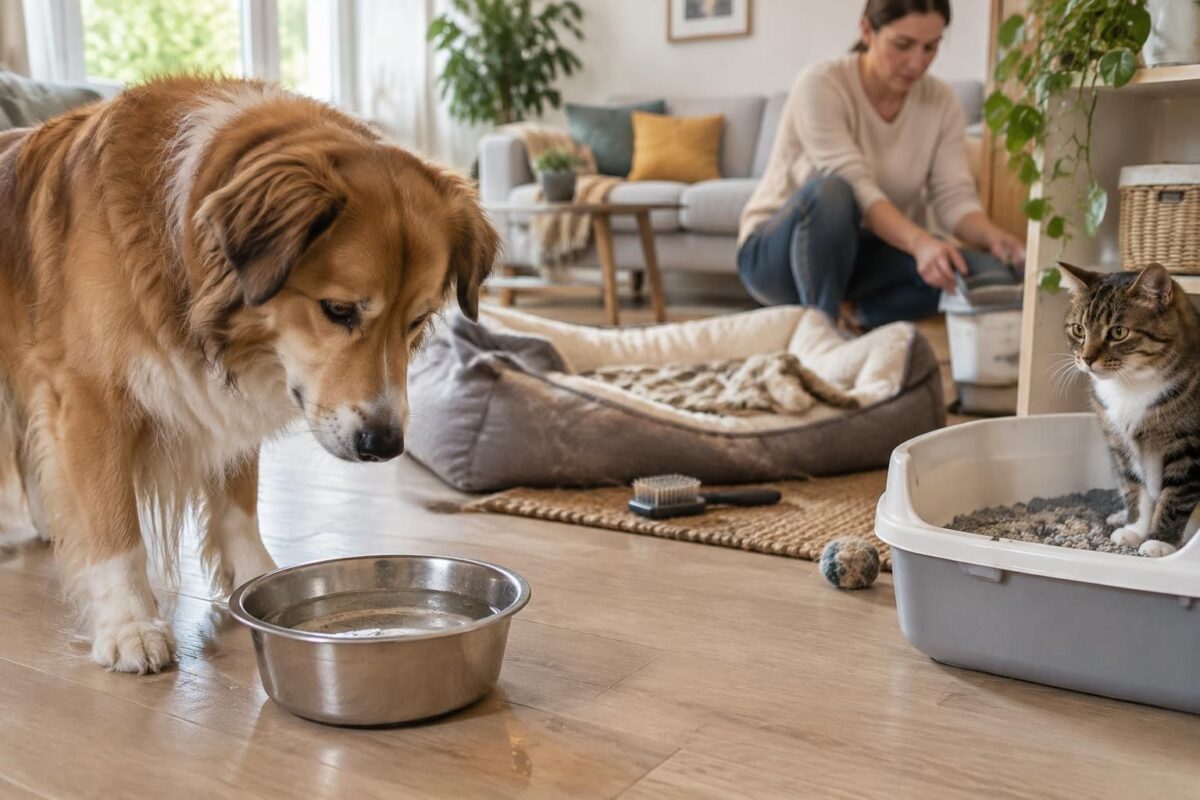
A well-groomed coat isn’t enough if accessories accumulate dirt and moisture. A poorly maintained bed, dirty bowls, or a soiled litter box can make the space uncomfortable and even encourage unpleasant odors.
Cleaning the bed and blankets can be part of your weekly housework, depending on their condition and washing instructions. Wash the bowls regularly too, and remove waste from the litter box every day. A cat that avoids their litter box may be expressing discomfort: this change is worth observing.
5. Skipping brushing and parasite prevention
Long fur, shedding seasons, age, or excess weight can sometimes make grooming more difficult. Tangles can trap moisture and dirt, while repeated scratching or excessive licking may signal parasites, irritation, or pain.
Adapt regular brushing to your pet’s coat and temperament. A suitable bath is only useful when their condition warrants it: bathing too often or using human products can irritate the skin. Parasite prevention should also be chosen according to species, lifestyle, and your veterinarian’s advice.
| What’s overlooked | Sign to watch for | Helpful action |
|---|---|---|
| Dental care | Strong-smelling breath, yellow deposits | Gradual brushing with an appropriate product |
| Ears | Redness, odor, head shaking | Gentle cleaning and veterinary advice if there is discomfort |
| Claws and paws | Difficulty walking, damaged paw pads | Regular checks and careful trimming |
| Accessories | Dirty bed, neglected litter box | Regular washing and daily removal of waste |
| Coat and parasites | Tangles, scratching, repeated licking | Suitable brushing and tailored prevention |
Spot the signs before discomfort sets in
A pet who is uncomfortable may scratch, lick their paws, avoid being petted, or stop using their bed. In an older, overweight, or long-haired pet, these signs can sometimes be harder to spot because some areas are less accessible for grooming.
Pay attention to their eating habits too: chewing more slowly or refusing their food may be related to oral pain, but there can be other causes. A persistent bad odor, sores, bleeding, loss of appetite, or lethargy warrant veterinary advice.
A three-step pet care routine
- Observe: once a week, take a few minutes to check your pet’s coat, ears, teeth, paws, and claws. Make a note of any unusual changes.
- Care: adapt your routine to your pet’s species and individual needs. Clean their accessories, brush gently, and use only products made for them.
- Consult: if discomfort persists or gets worse, ask a professional for advice. Regular veterinary visits complement home care and provide an opportunity to review preventive care.
To make this routine enjoyable, pair each step with a reward or a quiet moment. Consistency matters more than an occasional long session: care becomes easier when it’s part of a trusting relationship.
Frequently asked questions about pet hygiene
How often should you brush a dog or cat?
How often you brush depends on the coat, shedding, and the animal’s tolerance. Long-haired pets generally need more frequent brushing; ask a professional for advice if tangles form.
Should you bathe your pet regularly?
Not necessarily. Whether a bath is appropriate depends on your pet’s condition and needs; use a product made for their species and avoid excessive bathing, which can irritate the skin.
How can you tell if an ear needs veterinary attention?
A strong odor, redness, pain, discharge, or repeated head shaking should prompt you to seek veterinary advice.
Does an indoor cat need parasite prevention?
The risk depends on their environment and lifestyle. Discuss suitable prevention with your veterinarian rather than choosing a product at random.
Thanks for reading, Judith. If this topic resonates with you, please feel free to leave me a comment at the bottom of the article.