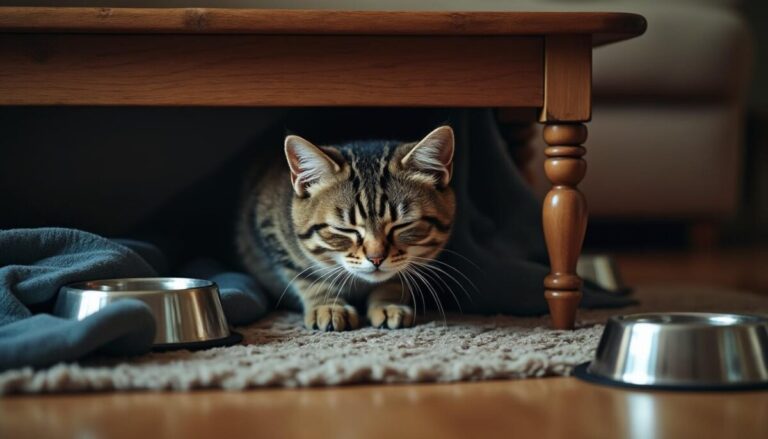

Cats: the real risk hidden by onions
Hello, Judith here.
No: onions are toxic to cats, even when cooked or hidden in a sauce, and can damage their red blood cells.
The danger isn’t limited to a piece of onion left on the table. Onion powder, flakes, and prepared dishes may also contain it. The risk can sometimes be invisible at first: symptoms of poisoning may appear after ingestion.
What to do right away
- Keep your cat away from the onion and remove any accessible leftovers.
- Make a note of the likely time of ingestion and how much is missing, even if the estimate is rough.
- Keep the packaging or recipe for the dish so you can check the ingredients.
- Call a veterinarian immediately, even if your cat seems fine.
- Do not make your cat vomit or give them any home remedies without veterinary advice.
If you want to identify other foods that are dangerous for cats, remember that sauces and prepared foods may contain them too. For advice on what to do after ingestion, consult these veterinary tips on onion poisoning.
The real risk: toxicity that can go unnoticed
Onions belong to the allium family, along with garlic, leeks, and chives. They contain sulfur compounds, including thiosulfates, which can damage red blood cells and reduce their ability to carry oxygen.
This damage can lead to hemolytic anemia. Signs are not always immediate: a cat may seem normal after tasting a dish, then become lethargic or develop dark urine in the following days.
A quantity of about 5 g of onion per kilogram of body weight is sometimes cited as a toxic dose, but this figure does not represent a safe amount. The form of the food, the amount actually eaten, and repeated ingestion also matter: if in doubt, calling a veterinarian is the right thing to do.
Raw, cooked, or powdered onion: no form should be taken lightly
Cooking does not eliminate the risk. Dehydrated or powdered onion can be especially easy to miss in a recipe, even though it concentrates the ingredient into a small amount.
The danger often lies in leftover sauce, broth, stuffing, or a small jar of baby food. A cat that licks a plate or steals a piece of meat may therefore consume onion without anyone noticing.
| Form or situation | Why to be cautious | Helpful action |
|---|---|---|
| Raw or cooked onion | The toxic compounds remain a concern after cooking. | Keep your cat away and call a veterinarian if they ingest any. |
| Powder or dehydrated flakes | They may be hidden in seasonings and prepared dishes. | Check the label and keep the packaging. |
| Sauce, broth, or table scraps | The recipe may include onion, garlic, or other risky ingredients. | Tell the veterinarian all the ingredients you know of. |
| Small amounts eaten repeatedly | Regular exposure can also harm your cat’s health. | Clear away leftovers and avoid sharing your meal. |
Symptoms of onion poisoning in cats
Problems can affect digestion, energy levels, and breathing. Some signs are nonspecific, but if they occur together after suspected ingestion, prompt action is warranted.
- Vomiting, diarrhea, or abdominal pain.
- Unusual tiredness, weakness, or loss of appetite.
- Pale or yellowish mucous membranes.
- Dark or reddish urine.
- Difficulty breathing or a rapid heartbeat.
Marked paleness, breathing difficulty, or severe lethargy warrant a veterinary emergency. Don’t wait for all the symptoms to appear: the absence of immediate signs does not rule out food poisoning.
Cat ate onion: what to do in 3 steps
1. Assess what was eaten
Identify the form of onion, how much is missing, and the likely time of ingestion. If the food was part of a dish, take a photo of the label or write down the ingredients.
2. Contact a veterinarian right away
Describe your cat’s weight, what they ate, and their current condition. The veterinarian will decide whether they need to be examined promptly, particularly because signs may be delayed.
3. Follow only the instructions you receive
Depending on the timing and the animal’s condition, the veterinarian may recommend appropriate treatment and blood or urine tests. In severe cases, oxygen therapy or a transfusion may be necessary; never try to induce vomiting yourself.
Preventing exposure to dangerous foods
Store onions and foods containing them in a closed cupboard, and promptly clear away plates and kitchen waste. Garlic, leeks, and chives belong to the same plant family and should also be kept out of reach.
The simplest approach is not to give your cat table scraps. Chocolate, grapes, alcohol, coffee, and certain other foods also pose risks to cats: it’s best to offer them food designed for their needs.
Frequently asked questions about onions and cats
Is cooked onion less dangerous for a cat?
No. Cooking does not make onion safe for cats. Sauces, broths, and cooked dishes can therefore also pose a risk.
My cat only licked some onion sauce: what should I do?
Call a veterinarian and tell them the recipe, the possible amount, and when the exposure occurred. Don’t wait for symptoms to appear before asking for advice.
How long after ingestion can symptoms appear?
Signs are not always immediate and may appear in the hours or days that follow. A cat that seems normal should still be assessed if ingestion is suspected.
Can I make my cat vomit at home?
No, not without direct instructions from a veterinarian. Trying this at home can make the situation worse or injure the animal.
Thank you for your interest, Judith. Feel free to leave me a comment and share your experience.