
Wild animal: Is it safer to leave it where it is?
Hi, it’s Judith. A wild animal is generally safer if you leave it where it is, keep your distance, and don’t touch or feed it.
A young animal on its own hasn’t necessarily been abandoned: its parents may be out of sight. However, an injury, immediate danger, or unusual circumstances are reasons to seek advice from specialists.
What to do right away
- Keep your distance and stay calm.
- Keep children and dogs away, and don’t run toward the animal.
- Check whether it is bleeding, struggling to breathe, or at risk of being hit.
- Don’t give it food or milk, and don’t try to move it.
- If it is injured or in danger, contact a wildlife rehabilitation center or an animal rescue service.
If the animal seems injured, seek advice before taking any action: these guidelines on steps that can prevent an injury from getting worse and on who to contact at night or on weekends can help you act without rushing.
Wild animals: when is it safest to leave one where it is?
If the animal is young and doesn’t appear to be injured, leave it where it is. Some species hide their young in the grass or leave them alone while they search for food. Human intervention can drive the parents away, cause significant stress, or expose the animal to other dangers.
Keep a safe distance appropriate for the species: there is no universal distance, since animal behavior varies depending on the animal’s size and condition, as well as the circumstances. Don’t try to pet it, take a close-up photo, or push it toward its natural habitat.
If the animal is young and appears healthy
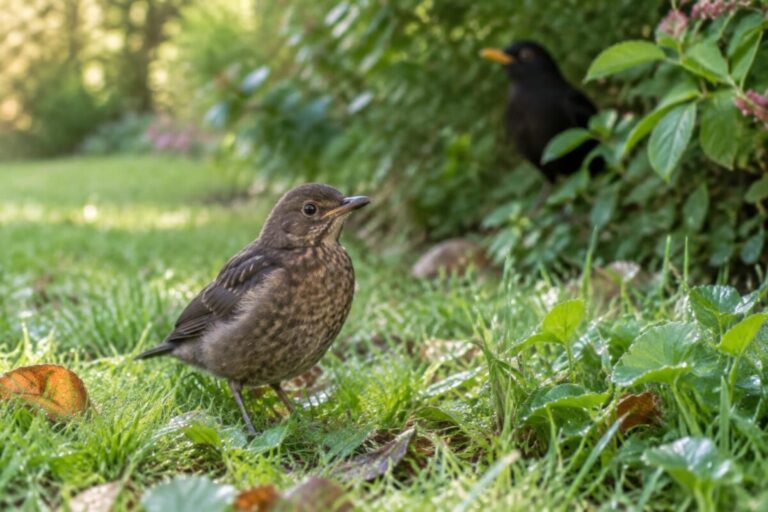
A fawn lying in the grass or a young bird on the ground may seem abandoned, even when it isn’t. Calmly move away, then observe from a reasonable distance: staying nearby may actually prevent the adults from returning.
If the animal is injured or in danger
A visible wound, a dragging wing, difficulty breathing, or being right next to a road are all signs to take seriously. Don’t handle it: even a weakened animal may bite, and fear can trigger a sudden reaction.
If the animal is on the road or in a dangerous place, make sure you are safe first and call the appropriate services. A professional can assess the situation and advise whether intervention is necessary.
Decide what to do: leave it or call for help?
The right response depends less on how endearing the animal looks than on its actual condition and the dangers around it. This table can help you choose an initial response, but it doesn’t replace advice from a specialist.
| Situation observed | Recommended response |
|---|---|
| Young animal alone, with no apparent injuries | Keep your distance and calmly leave the area. |
| Animal is injured or unable to move normally | Contact a wildlife rehabilitation center or a veterinarian experienced with wildlife. |
| Animal is near a road or in immediate danger | Don’t put yourself at risk; call the appropriate services for instructions. |
| Animal approaches or adopts a defensive posture | Back away slowly without cornering it or trying to touch it. |
Keeping a dog on a leash can also prevent an animal from being chased or the situation from escalating. Protecting wildlife often starts with a simple action: giving the animal enough space to move away.
What to do in three steps when you encounter a wild animal
- Assess the scene without approaching. Look for visible injuries and immediate dangers, while keeping people and pets away.
- Decide whether to leave or call for help. If the young animal appears healthy, move away. If it is injured or in danger, contact a wildlife rehabilitation center or the appropriate services for instructions.
- Follow the instructions; don’t improvise. Don’t transport the animal or give it food without professional advice; handling it incorrectly could make its condition worse.
This response protects both you and the animal: observing without disturbing it is often the best help you can give.
Frequently asked questions about finding a wild animal
Is a young animal on its own necessarily abandoned?
No. Some adults move away to look for food or stay hidden. If the young animal doesn’t appear injured and isn’t in immediate danger, keep your distance and move away.
Can I move an injured wild animal?
Avoid handling or transporting it unless you’ve been instructed to do so. First call a wildlife rehabilitation center or a professional, who can guide you based on the species and the situation.
Should I give milk to a wild animal I’ve found?
No. Milk and unsuitable foods can harm it. Wait for instructions from a specialist before offering it anything.
What should I do if the animal is on the road?
Don’t put yourself in danger or try to grab it. Move away from traffic and contact the appropriate services to report its location and describe the situation.
Thanks for reading, Judith. If this topic resonates with you, please feel free to leave me a comment at the bottom of the article.