Pet care: the right equipment prevents silly mistakes
Hello, this is Judith.
The right supplies make it possible to clean and protect a minor wound without improvising, while knowing when to leave things to the veterinarian.
A well-stocked first-aid kit helps you respond calmly at home and while out for a walk. It doesn’t replace a veterinary examination, but it makes it easier to provide initial care and avoid mistakes.
What to do now
- Keep a first-aid kit out of reach of children and animals.
- Add sterile gauze pads, saline solution, and disposable gloves.
- Include a tick remover, round-tip scissors, and a digital thermometer.
- Write down your veterinary clinic’s contact details on a card and put it in the kit.
- Check expiration dates every three to six months.
To choose veterinary supplies without buying lots of unnecessary items, start with your pet’s needs and daily routine. These tips for putting together a first-aid kit at home and this selection of supplies suited to each animal can help you sort things out.
A common mistake: assuming all products are suitable for animals
An antiseptic or medication intended for people isn’t automatically suitable for a dog or cat. Some products can irritate the skin, be dangerous if licked, or make it harder to assess a wound.
For minor dirt, saline solution can be used for a gentle rinse. Avoid rubbing, and don’t apply medicated products without veterinary advice: a deep wound, bite, or heavy bleeding requires professional care.
Essentials for minor incidents
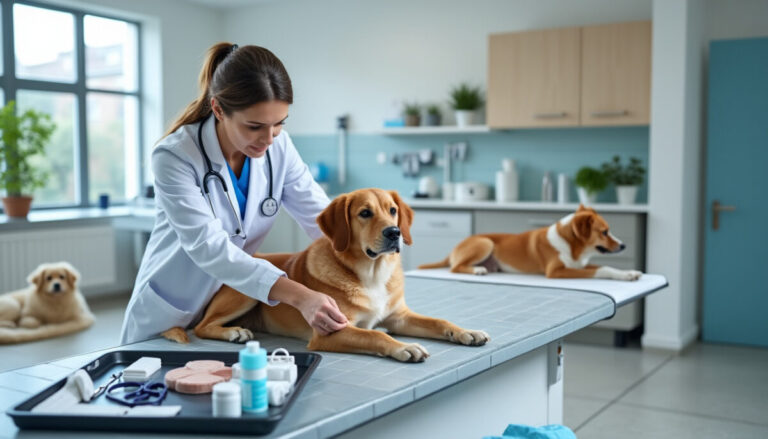
The basic supplies are mainly for cleaning, covering, and protecting the area while you wait for advice. Gloves help maintain hygiene when handling animals, while sterile gauze pads protect the area without leaving fibers behind, as ordinary fabric might.
- Sterile gauze pads and gauze bandages to protect a superficial wound.
- Single-use saline solution vials to rinse a dirty area.
- Round-tip scissors to cut a bandage without injuring the skin.
- Tick remover and splinter tweezers, to be used gently.
- Digital thermometer, for taking a temperature correctly when needed.
- Emergency blanket to help prevent chilling, without delaying a trip to the veterinarian.
The listed prices for the basic items come to around 21 €, but the actual cost varies depending on brands and quantities. A kit you put together yourself can therefore be affordable, as long as you don’t compromise on the quality of sterile products.
| Equipment | Main use | Price guide |
|---|---|---|
| Sterile gauze pads, pack of 10 | Protect a small wound | About 0,60 € |
| Saline solution, 5 single-use vials | Rinse gently | About 0,40 € |
| Tick remover | Remove a tick carefully | About 0,65 € |
| Digital thermometer | Monitor temperature if needed | About 5 € |
| Bandage scissors | Cut a bandage safely | About 3,60 € |
These amounts are indicative guides, not guaranteed prices. Also check that each product is intact and suitable for its intended use: opened or expired packaging has no place in a first-aid kit.
Animal care: choose accessories based on how they’ll be used
Not everything counts as first aid. Brushing, ear care, and using nail clippers are part of routine care and require accessories suited to the animal’s coat, size, and temperament.
A cat that doesn’t tolerate being handled well will need breaks and a calm environment; a dog with dark nails may require an especially careful touch. If you’re not sure where to trim, ask a veterinarian or grooming professional to show you.
Preventing mistakes starts before you buy
A comfortable, easy-to-clean accessory is often a better choice than a sophisticated model that isn’t well suited to your needs. For transport equipment, check the usable size, stability, and closure; for care products, check the directions for use and any precautions specific to the animal’s species.
Supplies also help reduce risks when handling animals. An injured animal may react out of fear or pain: approach slowly, avoid restraining it, and ask for help if its safety or yours is at risk.
If your pet is injured, follow these three steps instead of improvising
- Make the area safe and assess the situation. Move the animal away from danger and speak calmly. Check its breathing, behavior, and how much it’s bleeding, without unnecessarily handling a painful area.
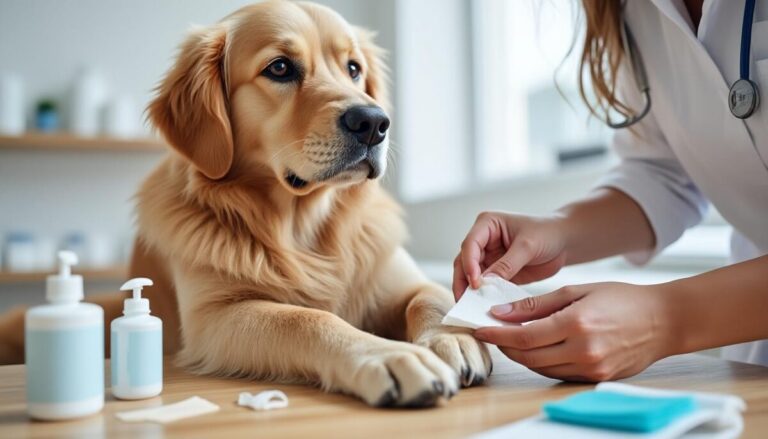
- Clean and protect the wound if it’s minor. Put on gloves, gently rinse with saline solution, and apply a clean gauze pad. Don’t tighten the bandage or use disinfectant or medication without veterinary advice.
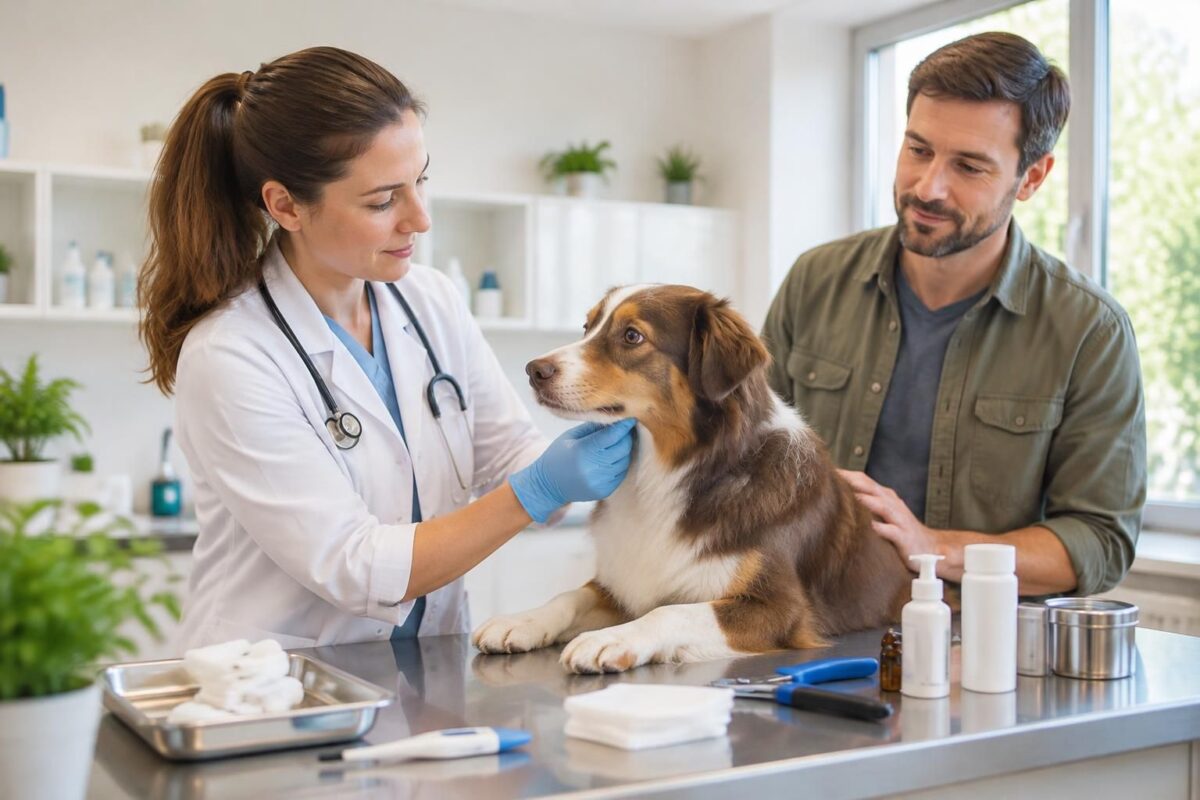
- Contact a professional if necessary. A bite, deep wound, significant pain, abnormal breathing, or worsening condition warrants a prompt call to a veterinary clinic. Home care does not replace a professional assessment.
For example, you can rinse and monitor a small scratch after a walk. A bite, even one that’s hard to see under the fur, may conceal a deeper injury: veterinary advice means you won’t have to rely on appearance alone.
After treatment, monitor the wound and keep it clean. Spreading redness, swelling, discharge, fever, or lethargy are signs to report to the veterinarian.
Keep your first-aid kit ready to use
Store the supplies in a clean, dry box that adults can easily access. Keep first-aid supplies separate from routine-care accessories, such as a brush or nail clippers, so you can quickly find what you need in an emergency.
A regular check is all it takes: replace used single-use vials, inspect the packaging, and replenish expired products. This simple organization supports animal welfare and helps you respond more calmly, without confusing preparation with self-medication.
Practical questions about animal care supplies
What should you put in a first-aid kit for a dog or cat?
Include disposable gloves, sterile gauze pads, saline solution, bandages, round-tip scissors, and a tick remover. Add your veterinary clinic’s contact details and check expiration dates regularly.
Can you disinfect a wound with a product made for people?
Don’t assume that a product for people is suitable for your pet. Saline solution is often used for a gentle rinse; ask a veterinarian for advice before applying an antiseptic or medication.
How often should you check the contents of the kit?
Check it every three to six months, and after each use. Replace opened, damaged, or expired products so you have clean supplies available.
When should you seek prompt veterinary care?
Contact a veterinarian in the event of a bite, deep wound, heavy bleeding, significant pain, abnormal breathing, or a worsening general condition. A first-aid kit does not replace a professional examination.
Thanks for reading, Judith. If this topic resonates with you, I’d love it if you left me a comment at the bottom of the article.