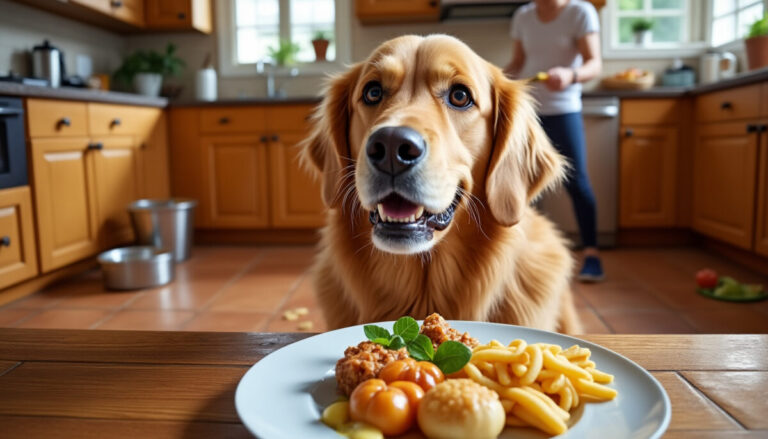

Sporting dogs: do they need more protein in their meals?
Hi, it’s Judith. Yes, a sporting dog often needs more protein in its meals to support muscle mass and recovery after exercise. Adapting canine nutrition to its activity level guarantees energy and performance. A protein intake of around 28 to 35% from high-quality animal protein is often ideal. To learn more, feel free to consult How to properly manage the nutritional needs of a sporting dog and the article on nutritional adaptation of athletic dogs.
Why do sporting dogs need a high-protein diet?
Highly active dogs, whether they participate in canicross, hiking, or agility, expend a lot of energy and intensely use their muscles. Protein is the essential building block for muscle growth, maintenance, and recovery. Without sufficient intake, their muscle mass can rapidly diminish, increasing the risk of injury or chronic fatigue. Furthermore, protein contains amino acids essential for tissue regeneration, which promotes faster recovery after physical exercise.
How to identify the right proteins in dog food?
Not all proteins are created equal. Animal-based proteins, such as those from chicken, salmon, lamb, or eggs, are preferable because they provide a full spectrum of amino acids essential for canine health. Be wary of labels that mention “dehydrated animal protein” or “animal by-products” without further details. Choose transparent, high-quality foods to ensure a balanced and appropriate diet.
5 concrete actions to take right away to boost your sporting dog’s nutrition
- Check that the kibble or homemade ration contains at least 28% animal protein.
- Prepare homemade, protein-rich treats like a chicken-peanut butter mix as a reward after exercise.
- Keep your dog properly hydrated with fresh water and supplement with salt-free electrolyte broths during long activities.
- Adjust meals: small portion 3 hours before exercise and light meal after a 30-60 minute break.
- Avoid regular kibble that is too low in protein and opt for kibble specifically formulated for sporting dogs.
A common mistake is giving a large meal right before exercise, which can cause digestive problems. Conversely, offering a meal too low in protein is a trap that hinders recovery.
Adapt nutrition according to age and type of exercise
If your dog is a sporty puppy, it needs a specific diet rich in protein, while remaining balanced for its growing joints. For an active adult, nutritional needs can increase with the intensity of exercise. A dog that goes on long runs or does regular physical work will need a richer diet than one that plays calmly every day. For a senior dog that is still active, it’s important to maintain a good protein intake while monitoring kidney and joint health. The key is to adapt gradually.
| Age | Activity | Recommended proteins | Specific advice |
|---|---|---|---|
| Sporty puppy | Games and learning | 30-35% | A balanced diet without overloading the joints |
| Active adult | Canicross, agility, hiking | 28-35% | Adaptation according to the duration and intensity of the effort |
| Active senior | Walks, moderate exercise | 25-30% | Monitoring kidney function and maintaining easily digestible nutrition |
Food choices: kibble, homemade diet or BARF?
There’s no single solution. Kibble for sporting dogs is practical and well-balanced when you choose a brand that’s transparent about its ingredients. Homemade meals allow you to precisely adjust portions, but require time and expertise. The BARF diet, very rich in animal protein, is appreciated for its naturalness, provided the intake is balanced. Always prioritize quality and avoid foods with too many carbohydrates, which aren’t suitable for the metabolism of an athletic dog.
Quick FAQ on protein and nutrition for sporting dogs
Does my athletic dog need protein supplements?
Not always. If your pet’s diet is balanced and suited to their activity level, supplements are often unnecessary. Consult a veterinarian if you notice unusual fatigue or muscle loss.
Which protein should I prioritize for my dog?
Animal proteins such as chicken, lamb, fish or eggs remain the best sources for good muscle recovery.
Should I increase the quantity or the quality of the protein?
It’s better to improve quality rather than quantity. An excess can strain the kidneys. A well-chosen intake of around 28-35% is sufficient in most cases.
How to organize meals around physical activity?
Plan a small portion at least 3 hours before exercise, water or broth during to stay hydrated, and a light, protein-rich meal after a 30-minute break.
Can dogs digest plant proteins?
They can consume a little, but their body assimilates animal proteins better to support muscle growth and performance.
Thank you for your interest, Judith. It would be kind of you to leave a comment at the end of the article. Thank you all.