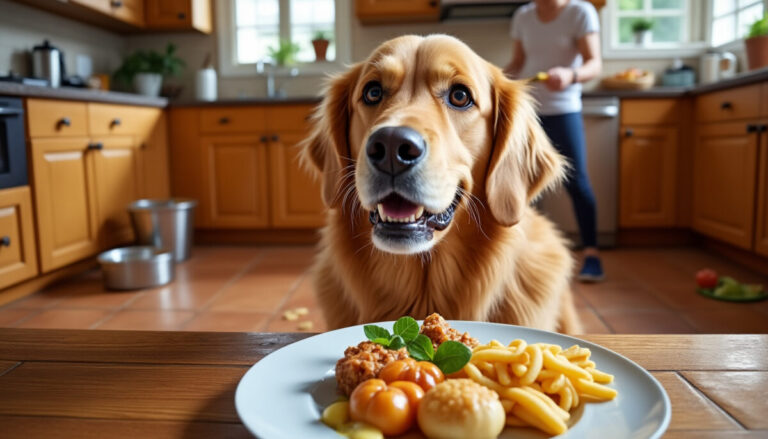

Dog care: the food bowl that helps or complicates things
Hi, it’s Judith. To take good care of your dog, choosing a slow-feeder bowl can really improve their digestion and reduce stress during mealtimes. A regular bowl often encourages them to eat too quickly, which complicates digestion and promotes air ingestion. A slow-feeder or interactive bowl transforms mealtimes into a calmer and more stimulating experience. Here’s how to get the most out of it.
To do immediately
- Choose a bowl that is suitable for your dog’s morphology (long muzzle or brachycephalic).
- Opt for a model made of easy-to-clean materials to ensure good hygiene in the food bowl.
- Introduce the new food bowl gradually, starting by leaving it empty so your dog can explore it.
- Divide the ration into several small meals throughout the day to avoid overly large meals.
- Observe the behavior carefully to adjust the difficulty and avoid frustration or giving up.
Find out how choosing the right dog bowl and why it is necessary to manage the rate of ingestion in the canine food organization.
How a food bowl affects digestion in dogs
Digestion in dogs begins in the mouth. Longer chewing, thanks to a slow-feeder bowl, promotes optimal mixing with saliva, better preparing the food bolus for its journey down the esophagus. Swallowing too quickly often leads to aerophagia, or the ingestion of air, which can cause bloating and regurgitation.
The stomach then receives the food, which it must mix with enzymes and gastric acid. Rapid filling caused by quick absorption increases gastric tension, which can lead to digestive discomfort and even worsen the risk of gastric dilatation-volvulus (GDV) in some predisposed breeds. By slowing this rate, gastric emptying becomes more regular and digestive comfort improves.
The positive effects of slow feeding on canine eating behavior and health
Using a bowl designed to slow down food intake offers several benefits:
- Reducing stress related to eating: The meal becomes a structured, calmer moment, which reduces the peaks of excitement.
- Mental stimulation: An interactive food bowl encourages the dog to search for its food, which enriches its environment and channels its energy.
- Better satiety: Gradual ingestion sends satiety signals to the brain, limiting overconsumption and contributing to weight management.
- Hygiene and cleanliness:
- Prevention of digestive disorders: Less air swallowed and calmer transit reduce the risk of vomiting and intestinal discomfort.
Choose the right food bowl according to your dog’s type and needs
There are several types of slow-feeder bowls, varying in difficulty:
| Type of bowl | Level of complexity | Main benefit | Targeted dogs |
|---|---|---|---|
| Plateau with shallow bumps | Down | Easy access and simple cleaning | Beginner dogs or small breeds |
| Deep Labyrinth | AVERAGE | Extends feeding time | Gluttonous dogs, long snouts |
| Multi-surface modules | Pupil | Strong mental stimulation | Active dogs, not too frustrated |
| Wide platform with low obstacles | Specific | Accessible to brachycephalic individuals | Bulldogs, pugs |
An adult brachycephalic dog will struggle with a complex maze but will appreciate a platform with low obstacles, while a long-nosed greyhound will enjoy a bowl with deep cavities.
Practical tips for introducing slow feeding without frustration
The secret is gradual. Let your dog explore the empty bowl before putting in any food. Start with smaller, more frequent meals and stay close to encourage calm, positive behavior. If you see signs of agitation or frustration, simplify the bowl or offer a different model. The goal is lasting calm, not a fight against the food bowl.
If your dog is anxious
Choose a food bowl with simple designs, easy access, and encourage gradual exploration. This method avoids adding stress to mealtimes and promotes good eating habits.
If your dog is very greedy
With a more complex maze, your dog will have to search for its food, which naturally slows down the eating process. This mental stimulation also helps to channel its boundless energy around food.
Slow-feeder bowls recognized by veterinarians for their benefits
Experts agree that the bowls effectively slow down ingestion and reduce digestive problems. They are often recommended for dogs prone to bloating or who are overweight. However, be sure to choose the right model that respects canine anatomy and maintain impeccable hygiene.
The cleanliness of the food bowl plays a key role in digestive and oral health. Consider choosing materials like stainless steel, ceramic, or food-grade silicone, which are easy to clean and limit bacteria. Also, consult practical resources on [website/platform name]. .
Alternatives and supplements to improve canine feeding ease
Sometimes, the food bowl alone isn’t enough. Several complementary strategies can be adopted to optimize the meal:
- Divide the ration into several meals to avoid overeating.
- Scatter some of the food around the house to encourage foraging.
- Use licking mats that promote a return to calm after agitation.
- Transition to food-based occupational toys with progressively increasing levels of difficulty.
- Monitor your dog’s hydration; it’s important for healthy digestion.
A practical tip
Some owners have noted that by alternating between a classic bowl and an interactive bowl, their dog seems more motivated and less frustrated, which balances eating behavior and well-being.
Essential FAQs about dog food bowls and digestive health
Why does my dog eat his food too quickly?
Some dogs are naturally greedy, often due to stress or from competitive bloodlines. The speed at which they eat is also linked to excitement and the environment. Slowing down their meals with a suitable bowl often helps to calm this urgent need.
How do I choose a slow-feeder bowl that’s right for my dog?
Consider the shape of your dog’s muzzle, its size, temperament, and its level of experience with this type of accessory. Start with a simple model if your dog is anxious, or a more complex maze if it is very active.
Can slow feeding really prevent bloating?
Eating slowly reduces some factors associated with bloating, including swallowing air and sudden gastric tension. However, bloating is multifactorial and requires a comprehensive approach.
What should I do if my dog abandons his slow-feeder bowl?
Simplify the feeding routine, divide the portion into smaller portions, or combine it with a simpler meal. Observe your dog’s behavior to adjust the feeding tool and avoid creating unnecessary stress.
How to maintain the food bowl to guarantee hygiene and health?
Wash the food bowl after each meal with hot, soapy water. Choose easy-to-clean and hygienic materials. You can consult guides to maintain cleanliness and thus avoid digestive problems.
Thank you for your interest, Judith. It would be kind of you to leave a comment at the end of the article. Thank you all.