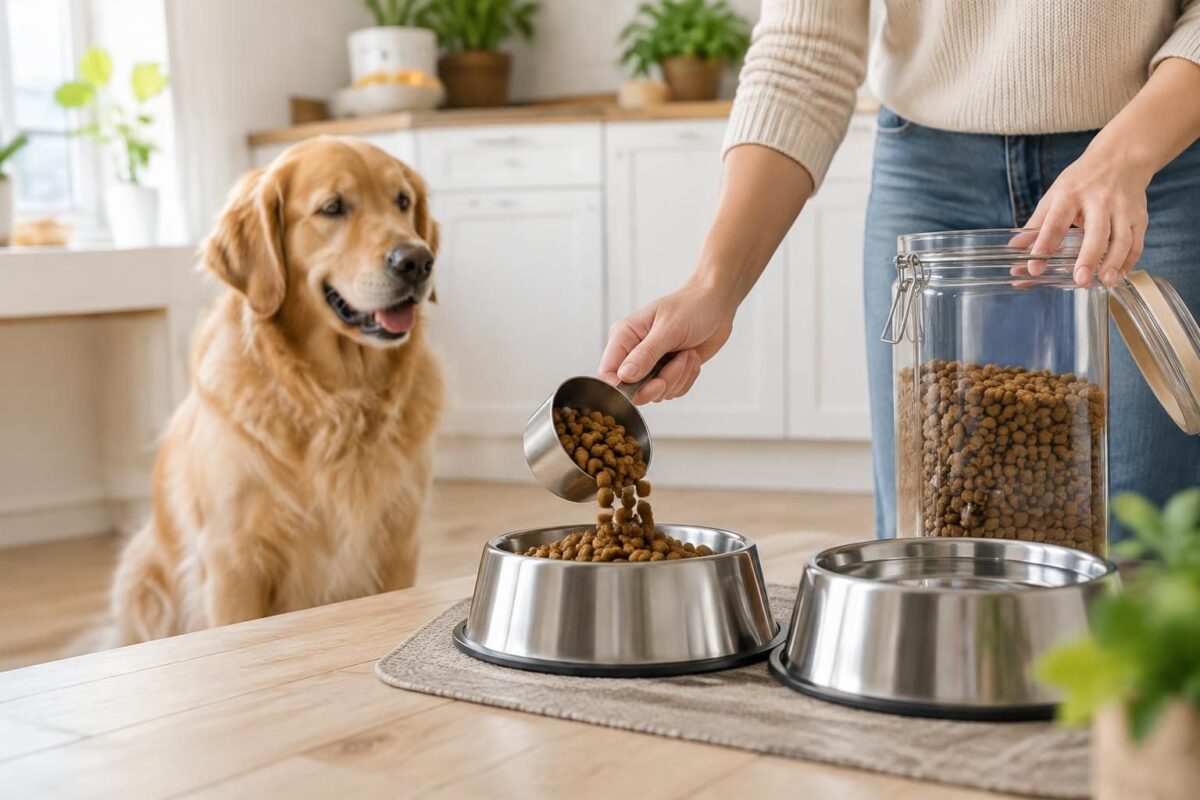
Dog Nutrition: 6 Steps to a Reliable Bowl
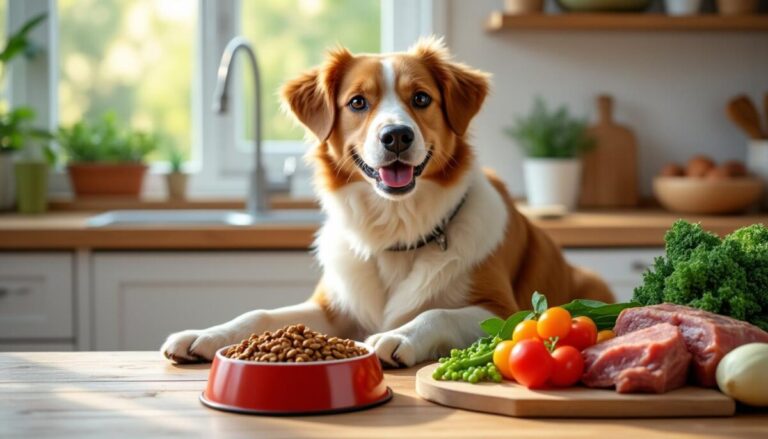
Hello, this is Judith. A reliable food bowl starts with quality food, an appropriate portion, proper storage, and regular cleaning. A few simple habits are all it takes to make your dog’s diet safer every day. The key is to also keep an eye on your dog’s appetite, digestion, and body shape.
Good habits for a reliable food bowl
- Check the ingredients and label: choose dog food suited to your companion’s age, size, and needs.
- Follow the recommended serving size: adjust the portion based on your dog’s activity and how they are doing, and don’t forget treats.
- Wash the bowl every day and rinse it thoroughly, especially after a wet-food meal.
- Refresh the water daily, and more often if it gets dirty or the weather is hot.
- Store kibble properly: reseal the bag, keep it dry, and follow the package instructions.
A balanced serving is about more than filling the bowl: it should meet your dog’s needs and stay consistent. To measure homemade food more accurately, see these tips on methods for measuring homemade food accurately; to spot a possible imbalance, discover signs that something may be missing from your dog’s diet.
The pitfall to avoid with dog food
A full bowl isn’t necessarily the right bowlful. Pouring out a portion “by eye” can lead to overfeeding or underfeeding, even when the food is high quality.
For example, if your dog gets treats during a walk, their usual portion may already provide too much energy for the day. The package guidelines are a starting point; your dog’s weight and body condition can help you make adjustments methodically.
Six steps to make your dog’s diet safer
In addition to the five basic habits, remember to check your dog’s weight and overall condition regularly. If you change foods, transition gradually over several days, unless your veterinarian advises otherwise: this helps limit digestive upset.
| Action | Practical tip |
|---|---|
| Choose the food | Check that it suits your dog’s age and needs |
| Measure the portion | Follow the package guide, then adjust based on how your dog is doing |
| Clean the bowl | Wash the bowl every day |
| Provide water | Keep fresh water available at all times |
| Store the kibble | Reseal the bag and keep it in a dry place |
| Monitor your dog’s condition | Keep an eye on their weight, appetite, and digestion |
How to put together a balanced serving in three steps
- Take stock: write down the food you give, the daily amount, treats, and any table scraps.
- Observe your dog: monitor their weight, appetite, stools, and energy level. If a change persists, seek veterinary advice.
- Make changes gradually: measure portions and introduce any new food gradually. For a homemade diet, ask a veterinarian for advice to ensure your dog’s nutritional needs are met.
This routine makes it easier to follow safe feeding practices: each meal becomes a useful reference point instead of an improvised estimate. Consistency helps you spot what works for your companion more quickly.
Helpful questions about your dog’s food bowl
How often should I wash the food bowl?
Wash it every day with hot water and dish soap, then rinse it well. Clean it sooner if it gets dirty.
Can I leave kibble in its bag?
Yes, as long as you reseal the bag securely and store it in a cool, dry place. You can put the sealed bag inside a clean container.
How can I tell if the portion is right?
Use the package instructions as a starting point, then monitor your dog’s weight and body shape. Ask your veterinarian for advice if you’re unsure or if your dog’s weight changes.
Should water always be available?
Yes. Your dog should have access to fresh water at all times, and it should be refreshed regularly.
Take good care of your companion, and feel free to share your observations in the comments. — Judith