A Garden That’s Too Tidy: Why Wildlife Can’t Find Anything There
Hello, Judith here. An overly tidy garden attracts less wildlife when it offers no food, shelter, or quiet place. A few simple changes can restore a natural balance without turning the whole yard into wilderness.
A closely mown lawn, cleared leaves, neatly trimmed hedges: these habits create a sense of order, but they also take resources away from biodiversity. Here’s how to make your garden welcoming to wildlife while still keeping some areas well maintained.
Good habits to adopt to welcome wildlife into your garden
- Leave a small patch of long grass, even in a discreet corner.
- Keep a pile of fallen leaves under a hedge or at the foot of a tree.
- Plant native species that bloom at different times.
- Avoid pesticides, including those marketed as gentle or natural.
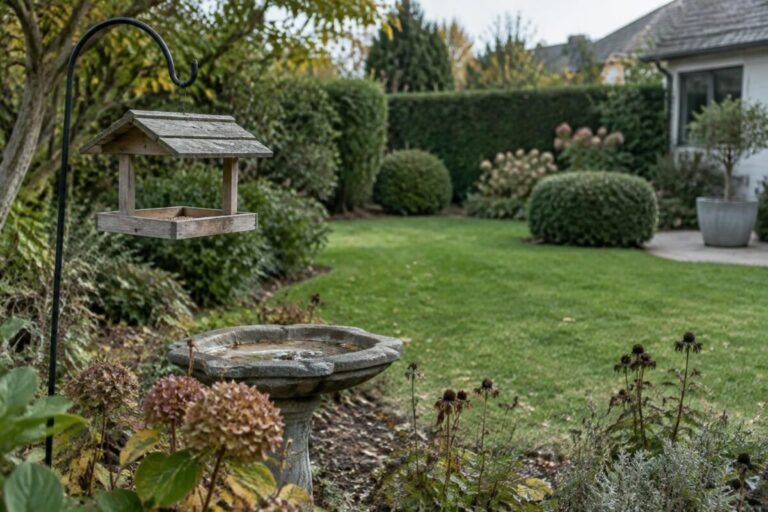
- Keep some hedges natural and add animal shelters if the garden needs them.
A garden of just a few dozen square metres can already provide nectar, seeds, or shelter. To spot the habits that drive visitors away, also check out these tips on mistakes that drive wildlife away from the garden and ways to help it without disturbing its habitat.
Why an overly tidy garden offers fewer resources
The trap is confusing cleanliness with vitality. A closely mown lawn has few flowers, while a yard cleared of every leaf leaves fewer hiding places for small animals and insects.
Pollinating insects need accessible flowers and blooms spread throughout the seasons. Birds find fewer seeds and prey when plants are absent or the garden is treated with insecticides.
The risks of constant trimming and cleanup
Trimming too often reduces the flowers, berries, and dense branches that provide shelter. Clearing away all the leaves also removes seasonal shelter for many small organisms.
For example, if you mow the entire lawn on the same day, pollinators suddenly lose some of their resources. Leaving an unmown strip beside a hedge already creates a useful first patch of wild space.
Eco-friendly gardening: what to keep and what to change?
You don’t need to give up all garden maintenance. Keep paths and areas used for walking clear, but let a few sections grow more freely and avoid cutting back all the faded flowers.
| Common practice | Possible effect | Wildlife-friendly alternative |
|---|---|---|
| Mow the entire lawn very short | Fewer flowers and hiding places | Keep a strip of long grass |
| Collect all the leaves | Fewer ground-level refuges | Leave some under a hedge or shrub |
| Trim hedges frequently | Fewer berries and less cover | Trim moderately, outside sensitive periods |
| Remove spontaneous plants | Less food for some insects | Keep a small patch of wildflowers |
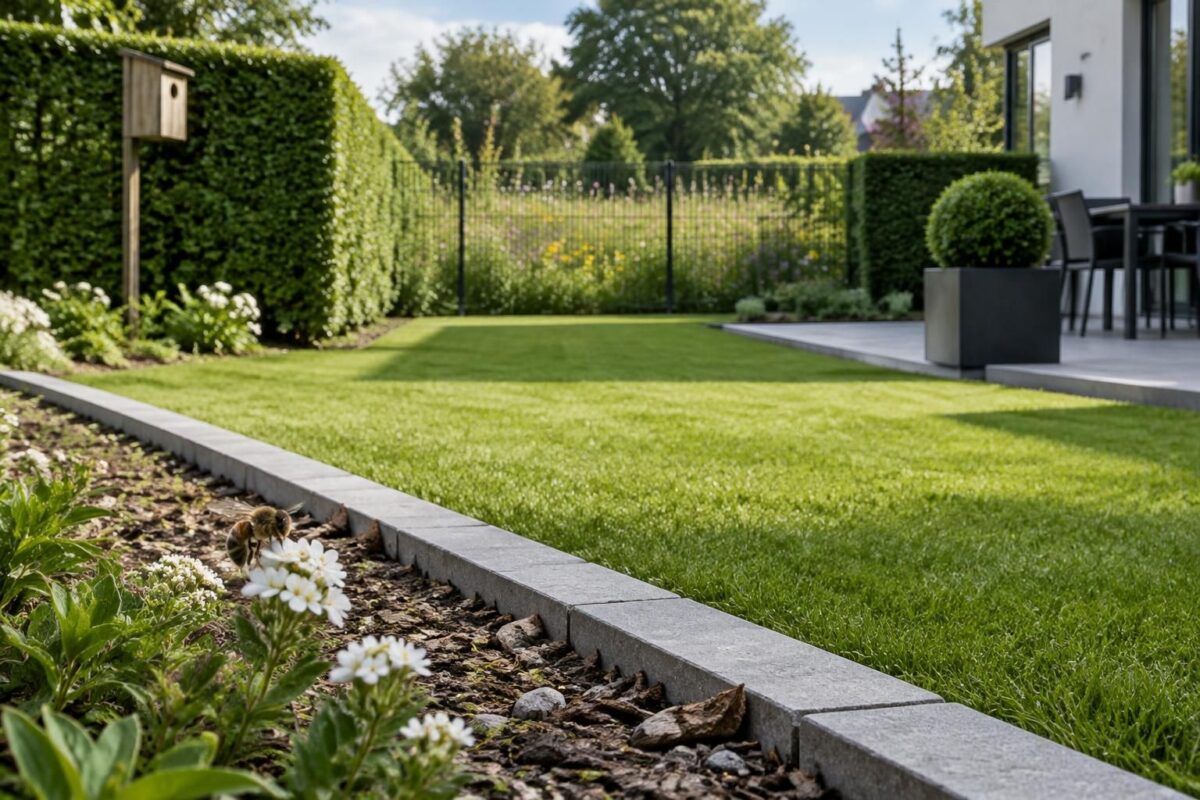
The right balance depends on the garden and how you use it. A family lawn can remain practical in the middle, while its edges become richer in plants and shelter.
Rebalance your garden in three simple steps
To illustrate the approach, imagine Samira’s garden: mowed every week and with no flowers, it attracted almost no butterflies. She started with a two-square-metre patch, then watched what changed before making the area bigger.
- Choose an area to leave undisturbed. The base of a hedge, a quiet corner, or a strip at the back of the yard will work. Let a few native plants grow there and limit foot traffic.
- Add food and shelter. Stagger flowering times by planting several species, keep leaves under shrubs, and install a small shelter suited to the spot if appropriate.
- Observe before you step in. Note which flowers are visited and which animals you spot over a few weeks. Then adjust your mowing or trimming without transforming the whole garden.
That way, Samira kept an open lawn where she could sit, while letting the borders flower. The important change wasn’t giving up maintenance, but preserving places where wildlife could settle in.
These changes work best when made gradually. Wildlife needs continuity: a hedge, a patch of leaves, and accessible flowers can combine to form a more useful refuge than isolated features.
A living garden can still reflect your style
You can keep the areas near the house tidy and set aside part of the yard for spontaneous plants. This coexistence makes the garden welcoming without imposing a one-size-fits-all approach.
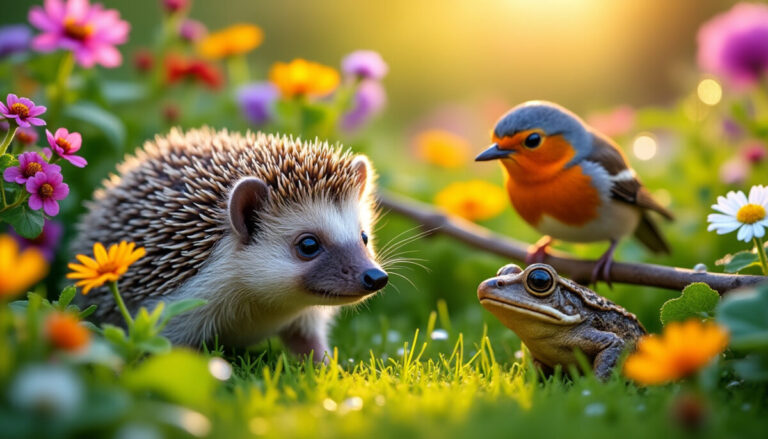
The first signs may be subtle: a bee on a flower, a bird pecking at the ground, or tracks in the soil after rain. By making a little room for nature, you help local biodiversity find its way again.
Do you have to let the whole garden grow wild to help wildlife?
No. You can maintain paths and keep just a few wild areas, such as a strip of long grass or a patch of fallen leaves.
Which plants should you choose to attract pollinators?
Choose native plants suited to your region and make sure flowering is spread over several seasons. Avoid chemical treatments on flowers that are visited by pollinators.
When should you trim hedges?
Avoid frequent trimming and check local recommendations, as well as for the presence of nests, before you start. Moderate trimming preserves more cover and resources.
Can a small garden really help wildlife?
Yes. Even a small space can provide flowers, seeds, or shelter, especially if it complements the habitats around it.
Thanks for reading! If this topic resonates with you, feel free to leave me a comment at the bottom of the article. — Judith