
Garden wildlife: should we feed it or refrain?
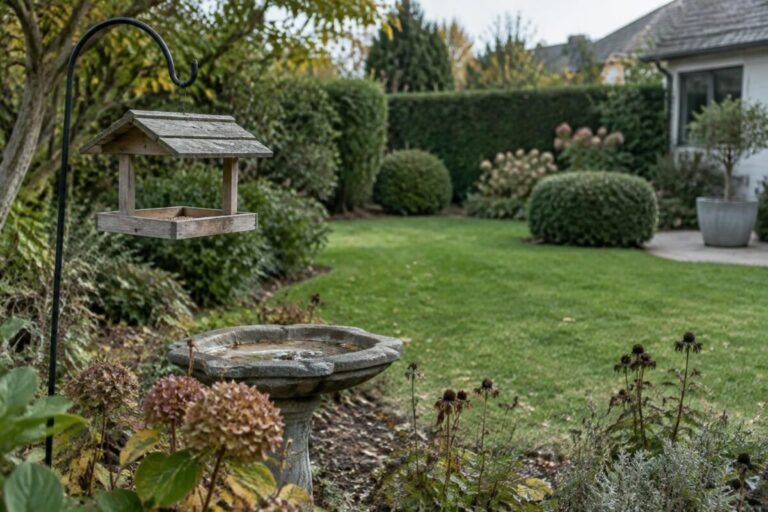
Hello, it’s Judith. In most gardens, it’s best to avoid feeding wildlife directly and instead offer it a rich, natural habitat. However, feeding birds occasionally can be justified during cold weather, if local rules allow it and feeders are kept clean. A few simple steps can help support biodiversity without creating dependency or attracting unwanted animals.
Good habits to adopt
- Make your garden welcoming: keep hedges, native flowers, and areas of fallen leaves.
- Limit feeding to birds when winter conditions make natural food harder to find.
- Choose suitable food: sunflower seeds or unsalted mixes—never bread or table scraps.
- Clean feeders regularly and remove any damp or moldy food.
- Don’t feed an injured or weakened animal: contact a specialist wildlife care center instead.
The best way to help garden wildlife is often to leave it with natural sources of food and shelter. For more advice on what to do, read these tips about a well-intentioned act that can disturb wildlife and find out how a small shelter can support ecological balance.
Feed wildlife or improve the garden?
Feeding provides immediate help, but it concentrates animals in one place. Close contact, unsuitable food, and dirty feeders can encourage the spread of disease or attract rodents.
By contrast, a thriving garden provides wild animals with a more varied food supply that is available throughout the seasons. Seed-bearing plants, nectar-rich flowers, and less-maintained areas attract insects, followed by the birds that feed on them.
| Situation | Preferred action | Point to watch |
|---|---|---|
| Garden birds during cold weather | Limited winter feeding, if necessary | Feeder hygiene and local rules |
| Hedgehogs passing through | Keep routes and natural shelters available | Never give them milk |
| Foxes or wild boars near homes | Don’t feed them and secure waste | Risk of nuisance and habituation |
| Injured wild animal | Contact a wildlife care center | Avoid unnecessary feeding or handling |
A garden can thus become a lasting resource rather than a feeding station. A varied hedge, a patch of fallen leaves, and a shallow water source often do more good than a daily ration.
If you feed birds, keep it measured
Feeding birds in a private garden is not generally prohibited everywhere, but local rules may apply. A municipal order, a homeowners’ association rule, or nuisance caused by food deposits and droppings can change the situation: check what applies where you live.
Start with a small amount in a feeder designed to minimize mess. If seeds are left on the ground, if birds gather in large numbers, or if rats appear, stop feeding and clean the surrounding area.
If an animal seems to be in trouble, don’t feed it at random
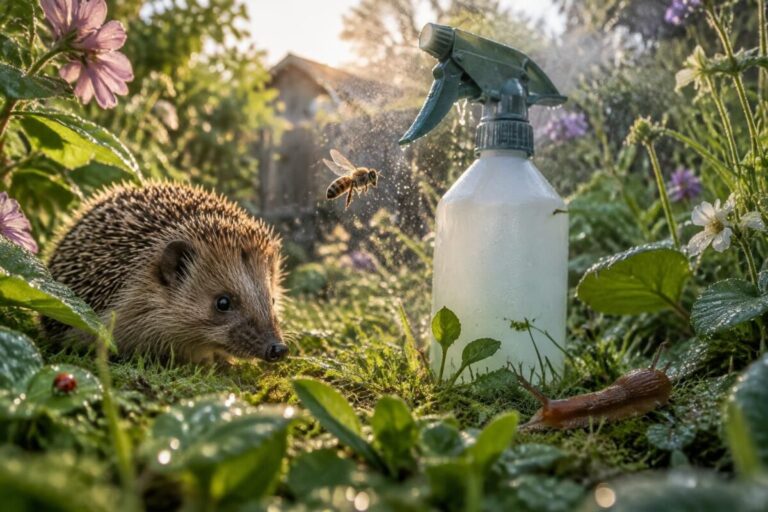
A thin hedgehog or a motionless bird may need care, but unsuitable food could make its condition worse. Milk, in particular, is not suitable for hedgehogs. Keep your distance and ask a wildlife care center for advice.
In protected areas and public places, follow the signs and instructions from the municipality or site manager. Rules vary from place to place, so it’s best to check before putting out food.
Three steps to help garden wildlife
- Observe before you act: identify the species present, natural resources, and any local guidelines.
- Improve the habitat: plant native species, leave a few wild areas, and avoid pesticides.
- Feed only if it’s useful: offer birds suitable food in small quantities, and clean feeders regularly.
This approach helps animals without making them dependent on an artificial food source. Protecting wildlife often starts with a garden where it can find food, shelter, and peace on its own.
Frequently asked questions about feeding garden wildlife
Can you feed garden birds in winter?
Yes, a limited amount of food can be helpful when natural resources are scarce. Check local rules, choose suitable seeds, and clean feeders often.
Can you give bread to ducks or birds?
It’s best to avoid bread and processed foods. They are not suitable food, and leftovers can dirty the water or attract pests.
What should you do if a hedgehog seems injured?
Don’t give it milk and avoid handling it. Contact a wildlife care center for appropriate guidance.
Is feeding wild animals prohibited everywhere?
Rules depend on the location and circumstances. Local orders or regulations may prohibit feeding, particularly in certain public spaces, and nuisance can also be a problem.
Thanks for reading! If this topic resonates with you, please leave me a comment at the bottom of the article. — Judith