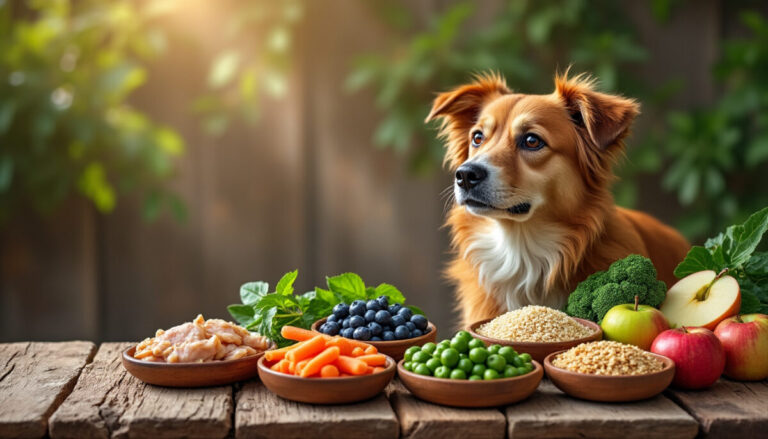
Dogs: Should you cook the meat or take a risk?
Hi, it’s Judith. It’s often best to cook meat before giving it to your dog to minimize the risk of bacteria and parasites. But it really depends on their age, health, and lifestyle. Canine nutrition relies on a delicate balance between nutritional benefits and food safety. Raw meat is rich in vitamins and enzymes, but requires impeccable hygiene to avoid health risks. For your health and your pet’s, discover here how to manage this balance every day.
To do immediately:
- Consult a veterinarian to choose between raw or cooked meat that is suitable for your dog.
- Choose a reliable supplier and guarantee the freshness of the meats.
- Store the meat at a temperature below +4°C and consume it in less than 24 hours.
- Avoid high-risk meats such as raw pork and deli meats.
- Observe your dog’s reactions carefully after a change in diet.
It’s essential to be well-informed to make the right choice, depending on whether your dog has a robust or fragile immune system. For more information, you can see the advice on the dog meat and the precautions to take between raw or cooked meat.
Why choosing cooked meat can make your dog’s diet safer
Cooking meat drastically reduces the presence of dangerous bacteria like Salmonella or Escherichia coli, which are common in improperly handled raw meat. This practice protects the dog’s health, especially in young, elderly, or sick dogs with weakened immune systems. Cooking the meat thoroughly at approximately 75°C (167°F) for 10 minutes destroys most pathogens without necessarily damaging essential proteins. This method also helps improve digestibility, reducing issues such as flatulence and frequent diarrhea.
For example, a 9-year-old female dog suffering from chronic digestive problems saw her symptoms improve significantly after a gradual transition to a cooked meat diet. Her digestion stabilized and her vitality increased within a few weeks.
The nutritional benefits of raw meat and its risks
With raw meat, your dog benefits from an optimal intake of heat-sensitive vitamins, particularly vitamins B and C, as well as enzymes that facilitate the assimilation of proteins and carbohydrates. The BARF (Biologically Appropriate Raw Food) diet leverages these benefits to closely mimic a dog’s natural diet. In many cases, especially in young, active dogs, this can promote a healthier coat, firmer stools, and often increased energy.
However, raw meat requires extremely strict adherence to cold chain regulations, hygiene standards, and health inspections, as it poses significant health risks: bacterial contamination, parasites, and food poisoning. A common mistake is leaving raw meat at room temperature for too long or placing the food in an unclean area, both of which can lead to contamination and illness for your dog and your family.
Comparative table between raw and cooked meat for dogs
| Criteria | Cooked meat | Raw meat |
|---|---|---|
| Bacterial safety | Major elimination of pathogens | Increased risk of Salmonella, E. coli, parasites |
| Nutritional value | Partial loss of heat-sensitive vitamins | Optimal preservation of vitamins and enzymes |
| Digestibility | Easy to digest, ideal for dogs with sensitive stomachs | Better absorption of amino acids, but riskier |
| Cost | Accessible, cooking simplifies management | Cheaper in bulk but requires rigor and control |
| Risk of parasites | Very weak | Possible presence, vigilance required |
Some practical tips for introducing cooked meat
- Choose lean meats, without seasonings or salt (chicken, turkey, lean beef).
- Cook evenly at a minimum of 75°C for 10 minutes.
- Divide the daily ration into 2 to 3 meals adapted to your dog’s weight (approximately 3-5 g/kg per day).
Warning signs
- Diarrhea or vomiting persisting for more than 24 hours.
- Significant weight loss (more than 5% in one week).
- Decreased appetite or refusal to eat.
- Change in behavior (fatigue, unusual agitation).
Ultimately, the best option for your dog will always be personalized based on their age, health, and lifestyle. Ensuring food safety while providing rich and appropriate canine nutrition should always be the priority. And you can easily find additional advice on the canine nutrition and the importance of meat.
Frequently asked questions about raw and cooked meat for dogs
Why choose cooked meat for a dog with a sensitive stomach?
Cooking eliminates most dangerous bacteria and parasites, thus greatly reducing the risk of poisoning, especially for old, sick or young dogs.
Is raw meat dangerous?
It can become infected if it is improperly stored or handled. Strict adherence to hygiene rules is essential to prevent bacterial and parasitic infections.
Which meats should I avoid giving my dog?
How can I tell if the meat is suitable for my dog?
Monitor its appetite, stool consistency, behavior, and consult a veterinarian if you observe any abnormal signs.
Is the BARF diet suitable for all dogs?
Not necessarily. It requires extreme rigor and veterinary monitoring, especially for sensitive dogs or those suffering from pathologies.
Thank you for your interest, Judith. It would be kind of you to leave a comment at the end of the article. Thank you all.