Injured wild animal: how to avoid a botched rescue
Hello, this is Judith.
To avoid a failed rescue, observe from a distance without approaching, then contact a specialist wildlife rehabilitation center before handling or transporting the animal.
An injured wild animal may be in danger, but a young animal spotted alone does not necessarily need help. The right steps protect both wildlife and your safety.
What to do right away
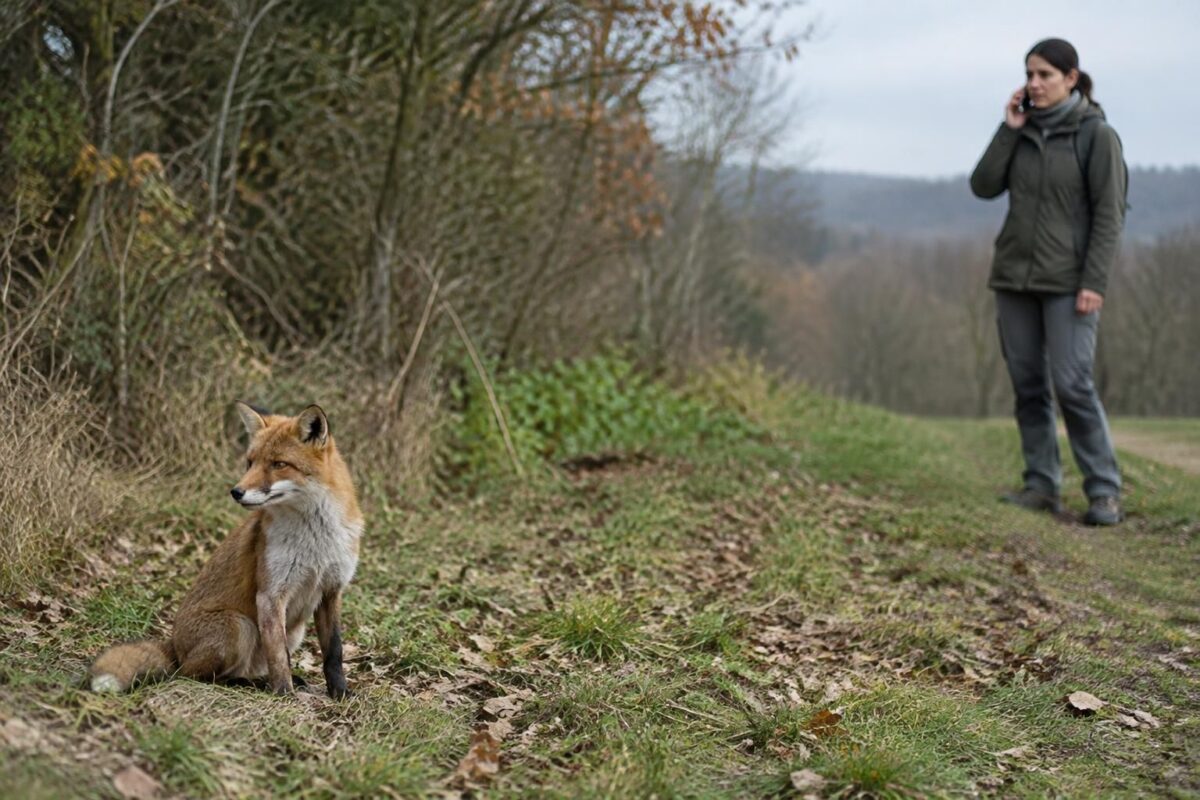
- Observe from a distance its breathing, movements, and any visible injuries.
- Keep people and pets away without trying to capture the animal.
- Note the exact location, the species if you recognize it, and any hazards nearby.
- Call a wildlife rehabilitation center or a qualified organization for instructions.
- Do not give it food or water and only transport the animal if advised by a specialist.
A feathered fledgling hopping on the ground may still be fed by its parents. However, a wound, a drooping wing, breathing difficulties, or an animal trapped somewhere warrant prompt contact with a specialist. To find the right person to contact, see this guidance on who to call when you find an injured wild animal and the advice from the wildlife rehabilitation center network.
Before taking action, distinguish distress from normal behavior
Some animals may appear to be alone without having been abandoned. A fawn lying still in the grass may be waiting for its mother, while a young fox or badger may be exploring under its parents’ watch. Touching or moving them could put them in danger.
The situation is different if the animal is bleeding, unable to move, seems disoriented, or is caught in a trap. For example, a hedgehog seen out during the day should be observed carefully: its condition, gait, and any injuries will help the specialist assess how urgent the situation is.
| What you observe | Prudent response |
|---|---|
| Feathered fledgling, alert and mobile | Keep your distance and watch briefly without picking it up. |
| Fawn alone, hidden in vegetation | Do not touch it and move away. |
| Bleeding, apparent fracture, or unusual immobility | Call a wildlife rehabilitation center before intervening. |
| Animal caught in a net or exposed to traffic | Describe the danger to the specialist and ask for immediate instructions. |
Mistakes to avoid when a wild animal is injured
Good intentions are not enough: a hasty attempt to capture an animal can cause it to flee, fall, or bite. Injured animals can still defend themselves, and some species pose health risks. So safety comes before the instinct to touch the animal.
Never handle a bat with bare hands. Do not try to realign a fracture, apply anything to a wound, or feed the animal either: inappropriate food or liquid given by force can make its condition worse. Regulations govern the keeping of many wild species; members of the public must not keep the animal at home to treat it.
If intervention is necessary: what to do in 3 steps
1. Describe the situation to a specialist
State the presumed species, its condition, the exact location, and any hazards present. The wildlife rehabilitation center or qualified organization can determine whether intervention is needed and guide you according to the situation. If the animal poses an immediate danger to traffic or people, report it to the appropriate emergency services.
2. Move it to safety only if instructed to do so
If the specialist asks you to move it, protect your hands with thick gloves and handle it as little as possible. A sturdy, ventilated cardboard box of a suitable size can serve as a temporary container; keep it somewhere quiet, away from children and pets. Do not attempt to capture a bird of prey, a biting mammal, or a bat.
3. Follow instructions for suitable transport
Ask where to take the animal and what kind of container to use. Avoid noise, jostling, and excessive heat; never put multiple animals in the same box. Transport is not always necessary: the specialist may prefer to send an authorized person or direct you to another solution.
A helpful action often starts by stepping back
When you find an injured wild animal, observing it and calling the right person are often more effective than attempting to care for it yourself. By staying calm, you reduce the animal’s stress and help professionals intervene in the right conditions.
Should you give water to an injured wild animal?
No, not without instructions from a professional. It could choke or receive inappropriate care. Contact a wildlife rehabilitation center first.
What should you do if a baby bird has fallen from its nest?
If it is feathered and alert, observe from a distance: its parents may continue to feed it. If it is naked, injured, or in immediate danger, ask a specialist center for advice before moving it.
Can you take the animal home to care for it?
Avoid keeping it at home. Keeping wild animals is regulated, and their care requires appropriate skills. Call a wildlife rehabilitation center to find out what to do.
What should you do after a bite or scratch?
Move away and seek medical advice promptly, especially after contact with a bat or a carnivore. Also report the incident to the professionals caring for the animal.
I hope you found this advice helpful. Share your experience in the comments! — Judith